
A dog’s liver is a vital organ, playing a crucial role in numerous bodily functions. However, it is susceptible to various health issues that can significantly impact a dog’s well-being. Recognizing the signs and understanding the causes of liver disease is paramount for pet parents aiming to maintain their canine companions’ health and happiness. This comprehensive guide delves into the complexities of liver disease in dogs, offering insights into its various forms, diagnostic methods, and effective treatment strategies.
Liver disease in dogs is a broad term encompassing a range of conditions that impair the liver’s ability to function correctly. These conditions often lead to inflammation and damage, which can arise from primary liver problems or be secondary to other underlying medical issues. The liver’s multifaceted role—from detoxifying blood and metabolizing medications to aiding digestion and producing essential proteins for blood clotting—means that liver dysfunction can manifest in diverse and sometimes subtle ways. Early detection and appropriate intervention are key to managing this condition effectively.
Recognizing the Symptoms of Liver Disease in Dogs
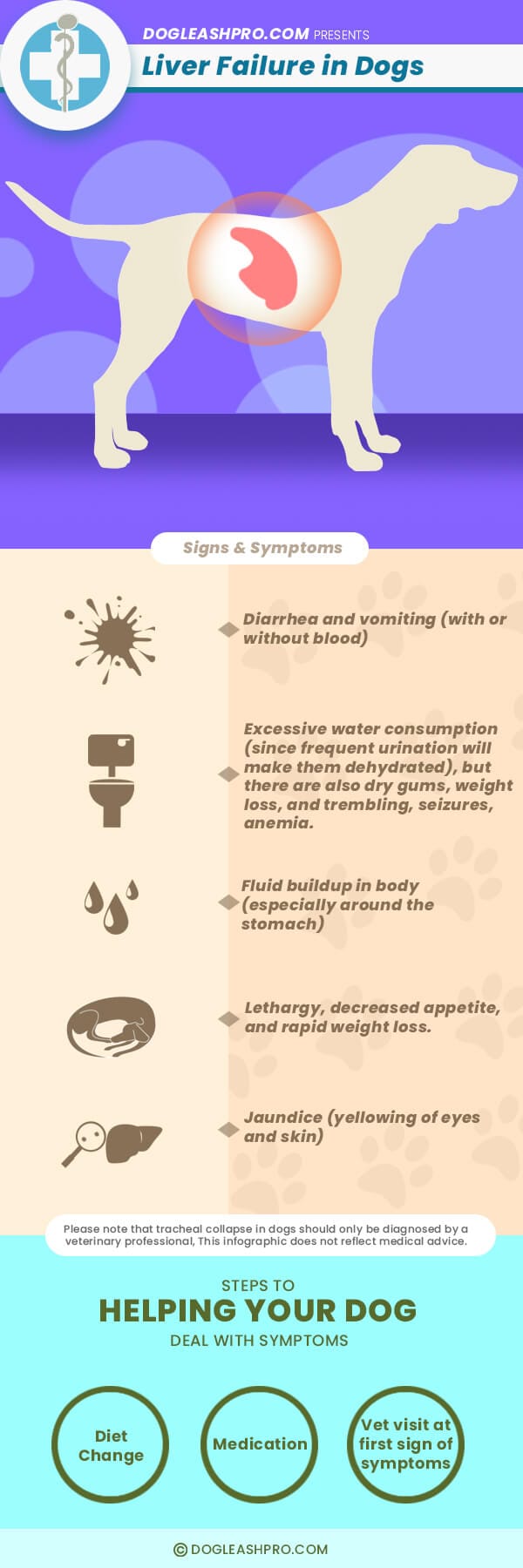
The wide array of functions performed by a dog’s liver means that symptoms of liver disease can vary significantly, depending on which specific functions are affected. Often, liver disease impacts other bodily systems, leading to a cascade of health problems.
One of the most telltale signs of liver disease is jaundice, characterized by a yellowing of the skin, gums, eyes, and ears. This occurs because a healthy liver efficiently removes bilirubin, a byproduct of red blood cell breakdown. When the liver malfunctions, bilirubin accumulates in the bloodstream, causing this distinctive yellow hue.
Another serious condition linked to liver disease is hepatic encephalopathy. This neurological disorder stems from the liver’s inability to clear toxins from the blood, leading to a range of symptoms such as disorientation, seizures, depression, head pressing, and behavioral changes. Recognizing these neurological signs is critical for prompt veterinary attention.
Gastrointestinal issues are also commonly associated with liver disease. These can include vomiting, diarrhea, loss of appetite, and abdominal distension. Changes in thirst and urination patterns, lethargy, and unexplained weight loss can also be indicative of underlying liver problems. If you observe any of these symptoms in your dog, it is essential to consult your veterinarian for a thorough examination. Diagnostic tests, including blood work, abdominal ultrasounds, X-rays, and urinalysis, will help your vet assess your dog’s liver function and pinpoint the cause of the disease.
Types of Liver Diseases Affecting Dogs
Liver disease in dogs can stem from various underlying causes, broadly categorized as primary (originating within the liver) or secondary (resulting from other health conditions). These conditions often manifest as inflammation or damage to the liver tissue.
Vessel Abnormalities
Congenital portosystemic shunts, a birth defect common in young dogs, occur when a blood vessel bypasses the liver, allowing toxins to accumulate in the bloodstream. Puppies with this condition may exhibit stunted growth, seizures, or disorientation. Acquired shunts are more prevalent in older dogs and develop due to increased pressure within the liver, often linked to hypertension or cirrhosis. This can prompt the growth of new blood vessels to circumvent the obstruction. Treatment for shunts varies based on their size and location; surgical intervention may be successful for larger, external shunts, particularly in congenital cases. However, shunts within the liver or those involving multiple vessels may not be operable. In such instances, management focuses on controlling the condition through a low-protein diet and medications to reduce blood toxin levels.
Endocrine Diseases
Disruptions in the endocrine system, which regulates hormones, can also lead to liver complications. Conditions such as diabetes mellitus, hyperadrenocorticism (Cushing’s disease), and hyperthyroidism can impair liver function. Addressing the primary endocrine disease is the most crucial step in improving the liver’s health when these conditions coexist.
Infectious Diseases
The liver’s central role in filtering blood makes it susceptible to infections from bacteria, viruses, parasites, and fungi. Canine hepatitis, a viral disease, can cause inflammation and scarring of the liver and is preventable through vaccination. Leptospirosis, a bacterial infection transmitted through contaminated water, can lead to severe liver and kidney damage, even with treatment, and is a zoonotic disease, posing a risk to humans. Fungal infections like Coccidioidomycosis and Histoplasmosis, contracted by inhaling or ingesting environmental spores, often require prolonged antifungal treatment, and their long-term prognosis can be guarded.
Liver Masses and Cancer
Dogs can develop various liver masses, including cysts. While often benign, large or rapidly growing cysts can cause liver disease symptoms. Surgical removal can typically resolve issues related to these cysts. Liver cancer can be primary, originating in the liver, or metastatic, spreading from another part of the body. Treatment options for liver cancer may include surgery, chemotherapy, or radiation therapy, depending on the cancer’s type, location, and extent.
Breed-Specific Liver Diseases
Certain dog breeds are genetically predisposed to specific liver conditions. For example, copper storage disease affects breeds like Bedlington Terriers and Doberman Pinschers, stemming from a metabolic defect that causes copper accumulation in the liver. Shar-Peis are prone to amyloidosis, a condition involving the buildup of abnormally formed proteins.
Diagnosing Liver Disease in Dogs
When a veterinarian suspects liver disease, the initial diagnostic step is often a serum chemistry panel. This blood test evaluates liver enzymes and other values, providing crucial insights into the liver’s health and guiding further investigations. Additional tests may include specific liver function tests, screening for endocrine diseases like Cushing’s or hyperthyroidism, abdominal X-rays, and ultrasounds to visualize the liver and detect abnormalities. In some cases, a liver biopsy or sampling may be necessary for a definitive diagnosis.
Treatment and Management of Canine Liver Disease
The outcome for dogs with liver disease varies widely, depending on the disease’s severity and whether the underlying cause is treatable or curable. The liver possesses a remarkable capacity for regeneration, meaning that acute or mild to moderate cases often have a favorable prognosis with prompt treatment. However, chronic or severe liver disease carries a poorer outlook, with treatment focusing on managing the disease’s progression and alleviating symptoms.
Common medical management strategies include dietary adjustments, such as a higher carbohydrate and low-protein diet to minimize ammonia buildup in the bloodstream. Vitamin supplements, lactulose to bind toxins in the gut, antibiotics to combat infection, and Vitamin K for bleeding issues may also be prescribed. Regular veterinary monitoring is essential to manage symptoms effectively, enhance the dog’s quality of life, and potentially extend their lifespan. For chronic or severe cases, veterinarians will work with owners to assess the dog’s quality of life and determine the best course of action, as liver disease can be fatal.
Preventing Liver Disease in Dogs
While not all liver diseases are preventable, certain proactive measures can reduce the risk of specific conditions. Vaccinations against diseases like Leptospirosis, recommended based on geographic location and lifestyle, are crucial. Discussing vaccination protocols with your veterinarian is important, especially if you live in an area with a high prevalence of fungal or other infectious diseases. Understanding and recognizing the early signs of liver disease is vital. Prompt veterinary consultation upon noticing any concerning symptoms can significantly improve the chances of successful treatment and prevent severe illness in your beloved canine companion.
Frequently Asked Questions About Liver Disease in Dogs
Can liver disease be fatal for dogs?
Yes, chronic or severe liver disease can be fatal in dogs. However, early and aggressive treatment can lead to successful outcomes, allowing the liver to repair itself.
How long can a dog live with liver disease?
The lifespan of a dog with liver disease depends heavily on the underlying cause and the severity of the condition. Some dogs can live for many years with proper management, while in acute cases, it can be rapidly fatal. If elevated liver values are detected, a discussion with your veterinarian about the prognosis is essential.
Do dogs experience pain with liver disease?
Liver disease can indeed cause pain in dogs, alongside symptoms like nausea and a decreased appetite. Consulting your veterinarian about appropriate pain management and comfort measures is crucial to ensure your dog’s well-being for as long as possible.
