
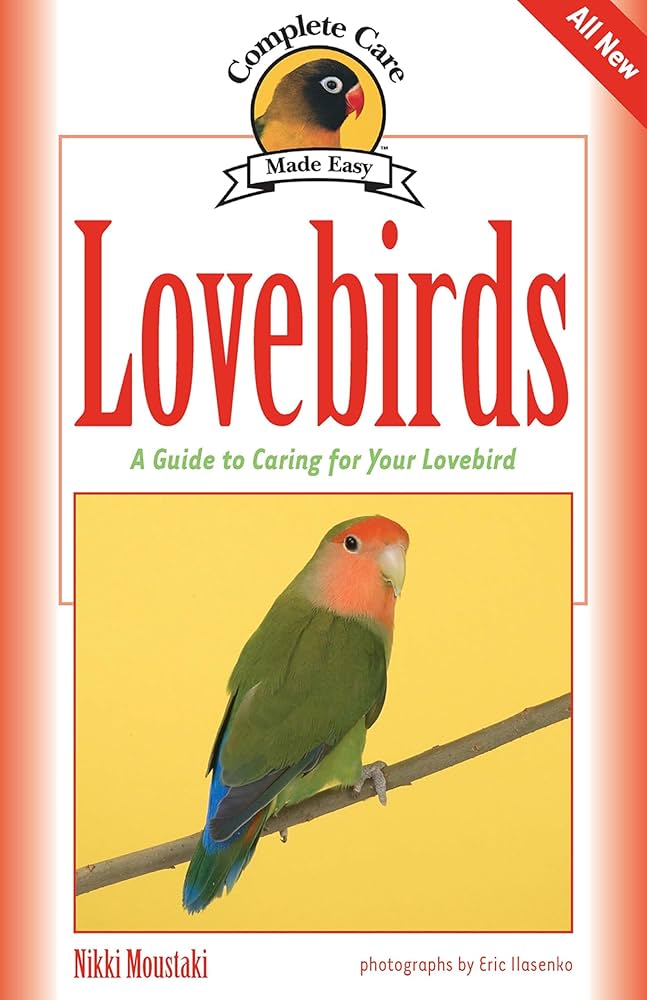
Bringing a pet bird into your home can be a rewarding experience, offering companionship and vibrant energy. PetSmart offers a diverse selection of live birds, including popular choices like parakeets, finches, and conures, making it a great starting point for aspiring bird parents. Whether you’re drawn to the small, cheerful chirp of a finch or the playful antics of a conure, there’s a feathered friend for every type of household. This guide will help you navigate the process of choosing the right bird and provide essential care information to ensure your new companion thrives.
Choosing Your Feathered Companion
PetSmart provides a wide array of bird species, each with unique personalities and care requirements. Understanding these differences is key to finding a bird that best suits your lifestyle.
Popular Pet Bird Species
- Parakeets (Budgies): These small, active birds are known for their intelligence and ability to mimic sounds and speech. They are generally social and can be quite interactive with their owners. PetSmart offers various parakeet colors, including green and blue parakeets, as well as fancy parakeets. Parakeet care requires a spacious cage, a balanced diet, and plenty of mental stimulation.
- Finches: Finches are small, energetic birds that are often kept in pairs or small flocks. They are best admired for their lively activity and beautiful songs rather than for close handling. Zebra finches are a common and popular choice, known for their distinctive markings and easy care.
- Canaries: Similar to finches, canaries are prized for their melodious singing. They are generally independent and do not require as much direct interaction as some other pet birds. Yellow canaries and assorted canaries are available, offering a splash of color and song to your home.
- Conures: Conures are medium-sized parrots known for their playful, curious, and sometimes mischievous personalities. They are highly intelligent and can bond strongly with their owners, but they also require significant social interaction and mental stimulation. Fancy conures and green cheek conures are among the varieties you might find.
Factors to Consider Before Buying
- Commitment: Birds can live for many years, with some species living for several decades. Ensure you are ready for a long-term commitment.
- Space: Different bird species require different cage sizes. Ensure you have adequate space for a cage that allows your bird to stretch its wings and move comfortably.
- Time: Many pet birds require daily interaction, training, and playtime outside their cage to stay healthy and happy.
- Noise Level: Some birds, particularly larger parrots, can be quite vocal. Consider your living situation and tolerance for noise.
- Diet: Birds have specific dietary needs. Researching the appropriate diet for your chosen species is crucial.
Essential Care for Your Pet Bird
Once you’ve chosen your new feathered friend, providing the right care is paramount for their well-being.
Housing
A spacious and well-equipped cage is essential. It should be large enough for the bird to move freely, spread its wings, and play. The cage should be made of non-toxic materials. Include a variety of perches of different sizes and textures to promote foot health, as well as food and water dishes.
Nutrition
A balanced diet is fundamental for a bird’s health. While seeds and nuts can be part of a diet, they should not be the sole food source, as they can be high in fat and lack essential nutrients. Pelleted diets specifically formulated for birds are often recommended by avian veterinarians. Supplementing with fresh fruits, vegetables, and occasionally bird-specific treats can provide a well-rounded diet. For young birds, specialized formulas may be necessary.
Enrichment and Socialization
Birds are intelligent and social creatures that need mental stimulation to prevent boredom and behavioral issues. Provide a variety of toys, such as swings, bells, and puzzle toys, and rotate them regularly to keep your bird engaged. Daily interaction with your bird, including talking to them and offering supervised time outside the cage, is vital for building a strong bond and ensuring their happiness. Learning how to train a bird with treats can also be a fun and beneficial activity.
Health and Hygiene
Regular cleaning of the cage and its accessories is crucial to prevent the buildup of bacteria and maintain a healthy environment. Observe your bird daily for any signs of illness, such as changes in appetite, droppings, behavior, or appearance. If you suspect your bird is unwell, consult an avian veterinarian promptly.
Conclusion
Choosing and caring for a pet bird is a fulfilling journey. By understanding the needs of different species and committing to providing a safe, stimulating, and nurturing environment, you can ensure your feathered companion enjoys a long, happy, and healthy life. PetSmart offers not only a wide selection of live birds but also all the necessary supplies, from cages and food to toys and health products, to help you create the perfect home for your new friend.
