
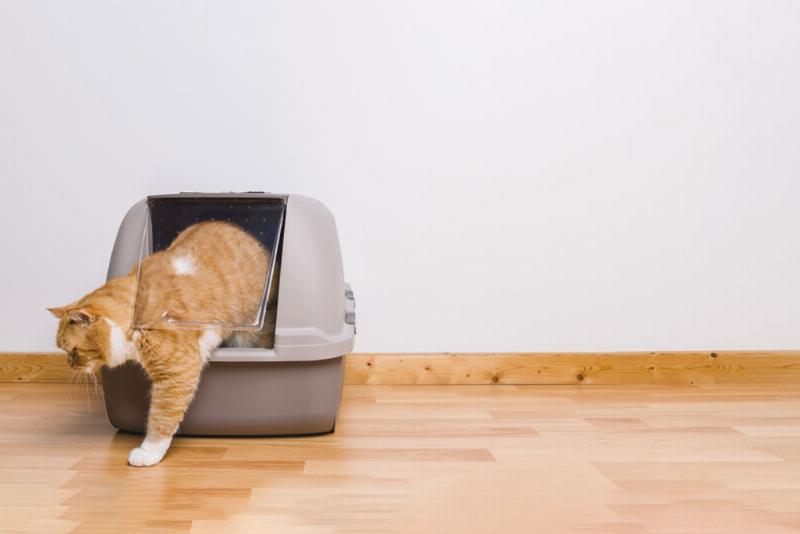
Training a small dog to use a litter box can be a rewarding experience, offering convenience for both pet and owner. This method is particularly beneficial for apartment dwellers, elderly dogs, or those with mobility issues. Successfully litter training your small dog requires patience, consistency, and understanding their natural behaviors.
Understanding the “Why” Behind Litter Training Small Dogs
For small breeds, the decision to litter train often stems from practical considerations. Unlike larger dogs who need more space for elimination, smaller dogs have different needs. The urban lifestyle, where frequent outdoor access might be challenging, makes indoor potty solutions like litter boxes incredibly useful. It’s not about limiting your dog, but rather adapting to your living situation and ensuring their comfort and cleanliness.
Choosing the Right Litter Box and Litter
The first step to successful litter training is selecting the appropriate supplies. For small dogs, consider the size and type of the litter box.
- Size: Ensure the box is large enough for your dog to comfortably turn around in, but not so large that it feels overwhelming. Many specialized dog litter boxes are available, often with higher sides to prevent accidents outside the box.
- Type: Options range from simple trays to enclosed units with grates. Some dogs prefer an open box, while others might feel more secure in an enclosed one. You might need to experiment to see what your dog prefers.
- Litter Material: While cats are accustomed to litter, dogs have different preferences. Avoid traditional cat litter, especially clay-based litters, as they can be harmful if ingested. Instead, opt for:
- Paper-based pellets: These are absorbent and safe for dogs.
- Aspen shavings: A natural and safe option, though less absorbent than pellets.
- Artificial grass pads: These mimic outdoor grass and can be a good transition for dogs used to pottying outside.
- Dog training pads: These disposable pads are highly absorbent and can be placed inside or around the litter box.
****
The Step-by-Step Process of Litter Training Small Dogs
Consistency is key when teaching your small dog to use a litter box. Follow these steps diligently:
Step 1: Introduction and Familiarization
- Placement: Choose a quiet, easily accessible location for the litter box. Avoid high-traffic areas or places your dog doesn’t usually frequent.
- Scent Association: If possible, use a small amount of your dog’s urine or feces in the litter box initially. This helps them recognize it as a designated potty spot. Alternatively, you can place a soiled training pad in the box.
- Positive Reinforcement: Let your dog explore the box on their own terms. Don’t force them into it. Reward them with praise and a small treat when they show interest or voluntarily step into the box.
Step 2: Establishing a Routine
- Scheduled Potty Breaks: Take your dog to the litter box at regular intervals. Key times include:
- First thing in the morning
- After waking from naps
- After meals or drinking
- After playtime
- Before bedtime
- Supervision: Keep a close eye on your dog, especially during the initial training period. Look for signs they need to go, such as sniffing the ground, circling, or whining. If you see these signs, gently lead them to the litter box.
- Positive Reinforcement During Success: When your dog eliminates in the litter box, praise them enthusiastically and offer a high-value treat immediately. This positive association is crucial for them to understand they are doing the right thing.
Step 3: Handling Accidents
Accidents are a normal part of the training process. The goal is to manage them without punishment, as this can create fear and hinder progress.
- Clean Thoroughly: If you catch your dog having an accident, interrupt them gently with a sound and immediately take them to the litter box. If they finish in the box, praise them.
- No Punishment: Never scold or punish your dog for accidents. They won’t associate the punishment with the act itself, but rather with your presence, leading to them hiding to eliminate.
- Odor Neutralization: Clean up accidents immediately and thoroughly using an enzymatic cleaner. These cleaners break down the odor molecules, preventing your dog from being attracted back to the same spot. Regular household cleaners may mask the smell for humans but not for dogs.
Step 4: Transitioning and Reinforcement
- Gradual Reduction of Supervision: As your dog becomes more reliable, you can gradually reduce direct supervision. However, continue to watch for signs and reinforce good behavior.
- Consistency: Stick to the routine and the positive reinforcement methods. Consistency helps your dog understand expectations.
- Patience: Every dog learns at a different pace. Some small dogs may master litter training within a few weeks, while others might take longer. Celebrate small victories and remain patient.
Addressing Common Challenges in Litter Training Small Dogs
Even with the best intentions, some challenges can arise. Understanding these common issues can help you overcome them.
My Dog Won’t Use the Litter Box
- Location Issues: The box might be in a noisy or inconvenient spot. Try moving it to a quieter area.
- Litter Preference: Your dog might dislike the type of litter. Experiment with different safe materials.
- Cleanliness: The box might not be clean enough. Dogs are fastidious creatures and won’t use a dirty potty area. Clean it daily.
- Fear or Anxiety: If the box is too small, too high, or enclosed in a way that scares them, they might avoid it. Ensure the box is comfortable and safe.
My Dog Pees Next To the Litter Box
This often indicates that the litter box is not large enough, or the sides are too high, making it difficult for them to position themselves correctly.
- Larger Box: Consider a larger litter box or one with a lower entry point.
- Enclosed Boxes: Some dogs benefit from enclosed boxes with a flap or higher sides to help contain errant accidents.
- Training Pads: Using dog training pads on the floor near the box can help redirect their aim while they learn.
My Dog Ignores the Litter Box During the Day
- Lack of Routine: Ensure you are taking your dog to the box at appropriate times, especially after waking, eating, and playing.
- Insufficient Exercise/Stimulation: A bored or anxious dog might not focus on pottying. Ensure they have enough mental and physical stimulation.
- Medical Issues: Though less common, sudden changes in potty habits can sometimes indicate a health problem. If you suspect this, consult your veterinarian.
 Small dog celebrating successful litter box use
Benefits of Litter Training Small Dogs
The advantages of successfully litter training a small dog extend beyond mere convenience:
- Independence for Your Dog: Allows them to relieve themselves when needed, without having to wait for an owner’s schedule.
- Cleanliness: Reduces the risk of indoor accidents and keeps your home cleaner.
- Convenience for Owners: Especially beneficial for those with busy schedules, mobility issues, or living in apartments without easy outdoor access.
- Weather-Proof Solution: No more struggling with rain, snow, or extreme heat for potty breaks.
- Safety: Minimizes exposure to potential hazards or diseases when out and about.
Conclusion: Mastering Litter Training for Small Companions
Litter Training Small Dogs is an achievable goal that significantly enhances the quality of life for both pets and their owners. By understanding your dog’s needs, choosing the right equipment, and implementing a consistent, positive reinforcement-based training plan, you can successfully guide your small companion to master the litter box. Remember that patience and a positive attitude are your most valuable tools. Embrace the journey, celebrate every success, and enjoy the benefits of a well-trained, happy, and clean small dog.
