
Bringing a new cat into your home is an exciting experience, and one of the first things you’ll want to establish is proper litter box habits. Litter Box Training A Cat is generally a straightforward process, as cats are naturally inclined to bury their waste. However, understanding their instincts and providing the right environment can make all the difference. This guide will walk you through everything you need to know to ensure your feline friend uses their litter box consistently and happily.
Understanding Cat Behavior and Litter Boxes
Cats are meticulous groomers and prefer to keep their living spaces clean. This innate desire for cleanliness is a significant advantage when it comes to litter box training. They instinctively seek out soft, loose materials, like sand or soil, to dig in and cover their eliminations, both for hygiene and to avoid scent marking. Providing a suitable litter box setup taps into this natural behavior.
Why Do Cats Choose a Litter Box?
- Instinct: The primary reason is their natural instinct to bury waste, keeping their territory clean and avoiding predator detection.
- Cleanliness: Cats associate their litter box with elimination and prefer it to be a designated, clean space.
- Territory: While not the primary driver for using a litter box, scent marking can play a role in some cats’ behaviors.
Choosing the Right Litter Box and Litter
The type of litter box and litter you choose can significantly impact your cat’s willingness to use it.
Litter Box Types:
- Open Litter Boxes: These are the most common and often preferred by cats as they offer an unobstructed view and easy entry/exit. They come in various sizes.
- Covered Litter Boxes: These offer more privacy and can help contain odor and litter scatter. However, some cats may feel trapped or dislike the enclosed space, and the ventilation can sometimes trap odors.
- Self-Cleaning Litter Boxes: These automate the cleaning process, which can be convenient but are also more expensive and may intimidate some cats.
When starting out, an open litter box is often the best choice for kittens or new cats. Ensure the box is large enough for your cat to comfortably turn around in. For kittens, consider one with lower sides for easy access.
Litter Types:
The texture and scent of the litter are crucial. Most cats prefer unscented, clumping clay litter with a fine, sand-like texture.
- Clumping Clay Litter: Popular for its odor control and ease of cleaning.
- Non-Clumping Clay Litter: More economical but requires more frequent full changes.
- Silica Gel Crystals: Highly absorbent and good for odor control, but some cats dislike the texture.
- Natural/Biodegradable Litters: Made from materials like pine, wheat, or corn. These are eco-friendly but can vary in odor control and texture.
Always opt for unscented litter. Perfumed litters can be overwhelming for a cat’s sensitive nose and may deter them from using the box. If you’re unsure, start with a basic, unscented clumping clay litter.
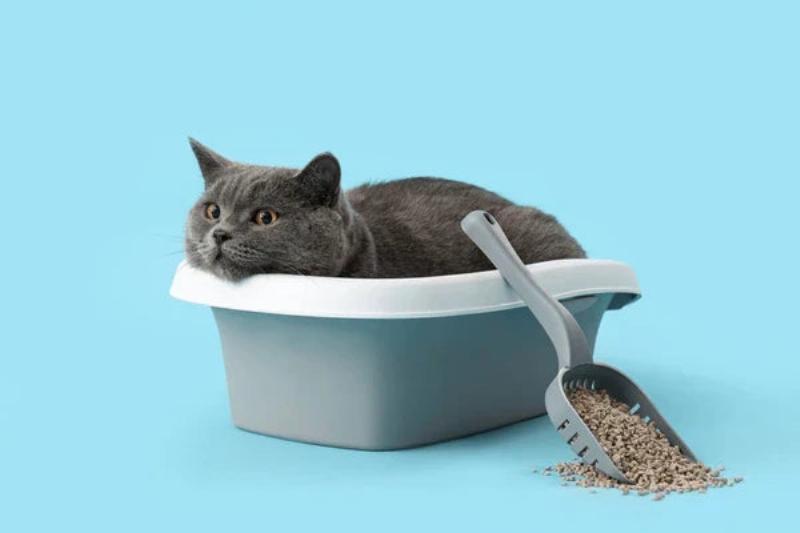 An illustration of a modern, clean open litter box filled with fine-grained litter, placed in a quiet corner of a home. The image emphasizes the importance of a clean and accessible litter box for feline well-being.jpg
The Litter Box Training Process
Step 1: Introducing the Litter Box
- Location, Location, Location: Place the litter box in a quiet, low-traffic area where your cat feels safe and has privacy. Avoid placing it near their food and water bowls, as cats instinctively dislike eliminating near where they eat. Multiple cats may benefit from multiple litter boxes, ideally one per cat plus an extra.
- Gentle Introduction: When you bring your cat home, place them gently in the litter box a few times, especially after they wake up or have eaten. Let them explore it on their own. You can gently take their front paws and make a digging motion in the litter to encourage instinct.
Step 2: Encouraging Use
- Positive Reinforcement: When your cat successfully uses the litter box, offer quiet praise or a small treat after they have finished and stepped out. Never scold or punish your cat for accidents, as this can create fear and anxiety, leading to more problems.
- Cleanliness is Key: Scoop the litter box at least once daily, ideally twice. Cats are fastidious and will avoid a dirty litter box. Completely empty and clean the litter box with mild, unscented soap and water weekly or bi-weekly, depending on the litter type. Avoid harsh chemicals or ammonia-based cleaners, as their scent can mimic urine and attract your cat back to the wrong spot.
Step 3: Handling Accidents
Accidents happen, especially with kittens or new cats. The key is to clean them thoroughly and identify the cause.
- Thorough Cleaning: Use an enzymatic cleaner specifically designed for pet stains. These cleaners break down the organic matter that causes odor, preventing your cat from being attracted back to the spot. Regular household cleaners may mask the smell for you but not for your cat.
- Identify the Cause: If accidents are frequent, consider why.
- Medical Issues: Sudden changes in litter box habits can indicate a urinary tract infection (UTI), kidney problems, or other health concerns. Consult your veterinarian immediately if you notice any changes.
- Litter Box Aversion: Is the box dirty? Too small? Is the litter type unpleasant? Is the location too noisy or inaccessible?
- Stress or Anxiety: Changes in the household, new pets, or loud noises can stress a cat and lead to inappropriate elimination.
Litter Box Training Tips for Kittens
Kittens usually pick up litter box habits very quickly because their instincts are strong.
- Start Early: Begin litter box training as soon as your kitten comes home.
- Multiple Boxes: Provide several small litter boxes in easily accessible locations.
- Supervision: Keep a close eye on your kitten. If they start to squat or sniff around as if they need to go, gently pick them up and place them in the litter box.
- Patience: Like any training, consistency and patience are vital.
Common Litter Box Problems and Solutions
1. Cat is not using the litter box at all.
- Solution: Re-evaluate the litter box setup. Try a different type of box, a different location, or a different type of litter. Ensure it’s scooped daily and cleaned regularly. Consider if a vet visit is needed to rule out medical causes. If you’re struggling with how to train outdoor cat to use litter box, start by bringing them inside and gradually introducing the litter box in a quiet, safe space.
2. Cat is eliminating near the litter box, but not in it.
- Solution: This often indicates a preference issue. The box might be dirty, too small, or the litter texture is disliked. The location might also be the problem. For some cats, placing a secondary litter box next to the “accident zone” can help redirect them, and then you can gradually move it closer to the desired location.
3. Cat is digging or playing in the litter box.
- Solution: This is usually normal kitten behavior. As long as they are still using it for elimination, it’s generally not a cause for concern. Ensure the litter is not too dusty, which could cause respiratory issues if inhaled excessively. If the behavior seems obsessive or is interfering with use, consult your vet.
Troubleshooting Advanced Scenarios
Training a Cat to Use a Litter Box After Outdoor Living
For cats accustomed to going outside, transitioning them to an indoor litter box requires patience and a gradual approach. Start by placing the litter box in an easily accessible location, perhaps near a door they frequently use. You can try placing some of their waste in the box to help them associate it with elimination. Consider using litters that mimic natural substrates. If your cat is hesitant, you might need to explore positive reinforcement for cat litter box training tips.
Litter Box Training for Multi-Cat Households
In a multi-cat home, the rule of thumb is one litter box per cat, plus an extra one. This prevents competition and ensures that each cat has a clean, accessible option. Place boxes in different locations to offer choices and reduce the chance of territorial disputes. For example, if you have three cats, you’d aim for four litter boxes. Implementing positive reinforcement for cat litter box training can be especially helpful in managing multiple feline personalities.
The Benefits of a Well-Trained Cat
A cat that is reliably litter box trained contributes significantly to a harmonious household. It reduces cleaning stress, minimizes odors, and fosters a stronger bond between you and your pet, built on trust and understanding. Remember, most litter box issues stem from environmental factors or potential health problems, rather than a cat being “stubborn.” By understanding their needs and preferences, you can effectively address challenges and ensure your cat is comfortable and happy using their designated facilities. Successfully training a cat to use a litter box is a rewarding journey for both pet and owner.
Frequently Asked Questions (FAQ)
Q1: How long does it take to litter box train a cat?
A1: Most cats, especially kittens, learn very quickly, often within a few days to a week. Some may take a bit longer, requiring consistent reinforcement and troubleshooting.
Q2: My cat pees outside the litter box, what should I do?
A2: First, rule out any medical issues with a vet visit. If healthy, examine the litter box itself: Is it clean enough? Is the litter type appealing? Is the location quiet and private? Try different litters and locations. Thoroughly clean accidents with an enzymatic cleaner.
Q3: Can I use scented litter?
A3: It’s generally not recommended. Cats have sensitive noses, and strong scents can deter them from using the box. Unscented litter is usually best.
Q4: Should I get a covered or uncovered litter box?
A4: Most cats prefer uncovered boxes because they offer better visibility and escape routes. If you opt for a covered box, ensure it’s well-ventilated and spacious.
Q5: How many litter boxes do I need for my cat?
A5: The general rule is one litter box per cat, plus an additional one. So, for one cat, two boxes are ideal. For two cats, three boxes would be recommended.
Q6: My cat is digging excessively in the litter box. Is this a problem?
A6: For kittens, it’s often normal play. If it’s excessive or you notice your cat consuming litter, it could be a sign of Pica or a nutritional deficiency. Consult your veterinarian if you’re concerned.
Q7: What if my cat avoids the litter box after I clean it?
A7: Ensure you’re using mild, unscented soap and water. Avoid harsh chemicals that leave strong residues. Some cats are sensitive to the scent of the cleaning agents, so a thorough rinse is important.
This comprehensive approach to litter box training ensures that your feline companion will be a clean and happy member of your household for years to come. Remember, patience and understanding are your best tools.
