
As loving pet owners, we often share our lives, our homes, and sometimes even our food with our canine companions. However, the human diet includes many items that can be extremely harmful, even fatal, to dogs. Understanding a List Of What Foods Dogs Should Not Eat is crucial for every dog owner to prevent accidental poisonings and ensure their pet’s long-term health. While some human foods are perfectly safe and even healthy for dogs in moderation, others are toxic even in very small amounts. Pet poisonings are a significant concern, with hundreds of thousands occurring annually in the United States alone. Many of these incidents are food-related, underscoring the importance of knowing which items to avoid.
This guide serves as your essential “cheat sheet” to help you keep your furry friend safe from dangerous human foods. By being informed and vigilant, you can prevent many common household foods from becoming a threat to your dog’s well-being. It’s important to educate yourself on what food not to feed your dog to protect them from potential harm.
Why Certain Foods Are Toxic to Dogs
Canine digestion and metabolism differ significantly from humans, which explains why many foods safe for us can be dangerous for dogs. Dogs’ bodies process certain substances in unique ways. For instance, dogs metabolize theobromine and caffeine found in chocolate much slower than humans, allowing these substances to accumulate rapidly in their system and potentially become fatal.
Similarly, while the flesh of cherries is digestible, the cyanide present in their pits, stems, and leaves can be problematic in large quantities. Cherry pits can also cause digestive issues like diarrhea due to their indigestible nature, making it safest to avoid them entirely. Food toxicity can also vary based on a dog’s size, breed, and existing health conditions. Therefore, consulting your veterinarian is always recommended if you have any questions about specific foods your dog cannot eat.
An Essential List of What Foods Dogs Should Not Eat
Many common household foods pose significant dangers, often toxicity, to dogs. While this is not an exhaustive guide, it covers the most frequently encountered foods that are bad for dogs. Key items to avoid include alcohol, avocados, macadamia nuts, grapes and raisins, xylitol, and chocolate. It is vital for every dog owner to familiarize themselves with this list of what foods dogs should not eat to ensure their pet’s safety.
1. Alcohol
Given their smaller size, dogs and cats are far more susceptible to the deadly effects of alcohol than humans. Even minimal amounts can cause harm, with the risk increasing for smaller pets. Symptoms of alcohol poisoning in dogs mirror those in humans, including vomiting, breathing difficulties, coma, and even death.
2. Apple, Apricot, Cherry, and Plum Seeds/Pits
While the fleshy part of apples is safe, the core and seeds are not. Apple seeds contain cyanide, and though small amounts may not be immediately harmful, it’s best to remove the core and seeds entirely. Similarly, the pits and seeds of apricots, cherries, peaches, and plums should be avoided. These pits also contain cyanide, which can lead to vomiting, an irregular and rapid heartbeat, seizures, coma, and death, due to red blood cells’ inability to carry oxygen effectively.
 A close-up image showing various fruit pits and seeds, including apple seeds, cherry pits, and plum pits, highlighting the parts to avoid for dogs.
3. Avocado
Avocados are generally not a suitable food choice for dogs. There have been reported cases of myocardial damage in dogs after avocado consumption. While these severe outcomes are rare, avocados are known to cause issues in other mammal species. Furthermore, an intact avocado pit can cause a dangerous gastrointestinal obstruction if swallowed by a dog, making it prudent to avoid this fruit.
4. Broccoli
Broccoli contains isothiocyanates, which can be harmful to pets in very large doses. While small, occasional amounts might be acceptable, it’s generally best to avoid broccoli due to the abundance of healthier and safer vegetable options. Additionally, broccoli stalks can pose a choking hazard or cause an obstruction in a dog’s throat.
5. Caffeine and Coffee Grounds
Caffeine contains methylxanthines, compounds that can cause potentially fatal symptoms such as diarrhea, vomiting, seizures, and an irregular heartbeat. If a dog accidentally ingests coffee grounds or high-caffeine beverages, their heart rate can dangerously accelerate, leading to seizures, tremors, arrhythmias, difficulty breathing, and other severe symptoms.
6. Fatty Cuts of Meat (Chicken/Turkey Skin, Ham)
Fatty cuts of meat, including chicken or turkey skin and ham, should be discarded rather than offered as treats to pets. These foods are bad for dogs due to their high fat content, which can trigger acute pancreatitis—a severe, life-threatening illness with serious complications.
Avoid giving your dog turkey and chicken bones, as well. These bones can splinter, leading to bowel obstructions or damage to the stomach or intestines. In some cases, splintered bones can puncture these organs, resulting in a fatal abdominal infection.
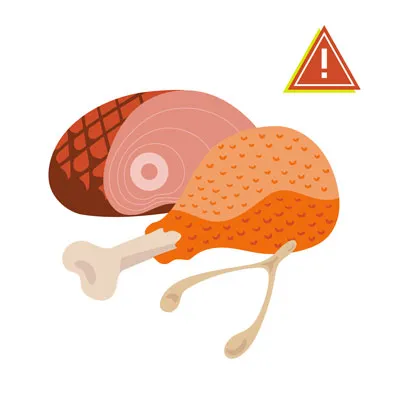 A plate with various fatty meat scraps, including chicken skin and ham, signifying foods that should be avoided for dogs due to high-fat content.
7. Chocolate
Chocolate toxicity is a frequent cause of pet poisoning, especially during holidays. Dogs absolutely cannot eat any chocolate product. Chocolate contains theobromine, a lethal component, with darker chocolates having higher concentrations. Chocolate also contains caffeine, and some sugar-free varieties may include xylitol, which is highly toxic to dogs.
Dogs and cats cannot metabolize chocolate as effectively as humans. Dark chocolate and baker’s chocolate are the most dangerous, but any type of chocolate can be problematic. Symptoms of chocolate ingestion include hyperactivity, vomiting, diarrhea, pancreatitis, abnormal heart rhythm, and seizures. If your dog consumes any amount of chocolate, contact your veterinarian immediately.
8. Grapes and Raisins
Grapes and raisins are exceptionally dangerous for dogs. These fruits can cause severe issues, including kidney failure, due to their tartaric acid being toxic to a dog’s kidneys. Even a few bites can wreak havoc. Symptoms of grape or raisin poisoning include vomiting, diarrhea, loss of appetite, changes in urine output, or an inability to urinate.
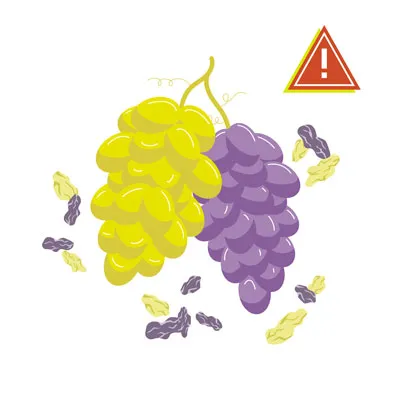 A bunch of red grapes next to a small bowl of raisins, illustrating these toxic fruits that dogs should never consume.
9. Macadamia Nuts, Almonds, and Pistachios
Macadamia nuts can cause numerous painful symptoms in dogs, such as weakness, overheating, and vomiting. While the exact mechanism of toxicity remains a mystery, these nuts are definitively toxic to dogs. As few as six nuts can cause severe poisoning in a small dog.
While macadamia nuts are the most dangerous, other nuts like pistachios and almonds can also pose choking hazards, especially if flavored or spiced.
10. Milk and Dairy Products
Milk and other dairy products should be evaluated on a case-by-case basis. Some dogs can tolerate milk or dairy without issues, but others are lactose intolerant or allergic and may experience diarrhea and gas from cow’s milk.
Ice cream is also bad for dogs due to its high sugar and fat content. Instead of ice cream, offer your pup frozen pieces of healthy fruits that are safe for dogs. Cheese is acceptable in small quantities; opt for lower-fat varieties as occasional treats.
11. Mushrooms
It is always safest to avoid feeding your dog mushrooms. Mushrooms contain various toxins that can cause kidney and liver failure, vomiting, diarrhea, hallucinations, and damage to red blood cells. While washed, white mushrooms from the grocery store might be okay, it is generally safer to choose a different, confirmed safe treat.
12. Nutmeg and Cinnamon
Dogs should never be fed foods containing nutmeg, as this spice can cause hallucinations and severe vomiting. The culprit is myristicin, a compound in nutmeg, with effects intensified by high doses or consumption by small dogs. If your dog ingests any amount of nutmeg, contact your veterinarian for guidance.
Cinnamon should also be avoided, not because it’s toxic, but because it can irritate a dog’s mouth and potentially lead to dangerously low blood sugar levels.
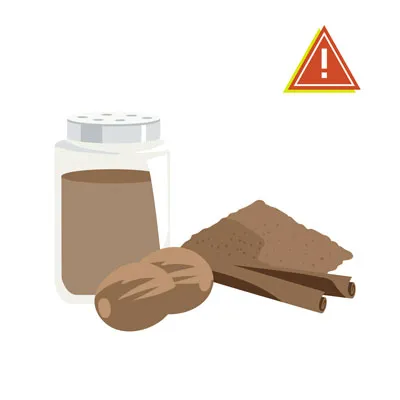 A pile of whole nutmegs and cinnamon sticks, representing spices that are harmful or irritating to dogs.
13. Onions, Garlic, Chives, and Leeks
Many pet owners are surprised to learn that herbs from the allium family, such as onions and garlic, are unsafe for dogs. Onions and garlic contain sulfoxides and disulfides, which can damage red blood cells and lead to anemia in both cats and dogs. Onion and garlic powders are present in many prepared foods, including some baby foods, so always check labels carefully before feeding store-bought items to your pet.
All allium plants, including chives and leeks, can cause potentially fatal anemia in dogs and cats. Certain Japanese dog breeds, like Akitas and Shiba Inus, are particularly sensitive, but these plants are dangerous for all dogs.
14. Salt
Excessive amounts of salt can disrupt the fluid balance in a dog’s cells. Too much salt can lead to tremors, seizures, diarrhea, or even a coma. Whether your dog is begging for rock salt, homemade playdough, or potato chips, resist their sad eyes to protect their health.
15. Spicy Food
Keep your dog away from spicy food. Hot, spicy ingredients can cause vomiting, stomach ulcers, or diarrhea, which can be painful for your dog and potentially costly for emergency veterinary care.
16. Sugar-Free Gum and Candy (Xylitol)
Xylitol is an artificial sweetener found in many human foods, including sugar-free gum and candy. In dogs, it can cause a rapid and dangerous drop in blood sugar, leading to weakness and seizures. Some dogs may also develop liver failure.
Cases of dog poisoning involving xylitol, often found in sugar-free baked goods, are on the rise. The amount of xylitol in just five pieces of gum has the potential to be fatal for a 65-pound dog.
17. Tomatoes and Raw Potatoes
Tomatoes and potatoes fall into a category of foods that are safe in some forms but unsafe in others. A ripened red tomato is generally acceptable. However, the green parts of the tomato plant and unripe green tomatoes contain solanine, which is toxic to dogs.
Potatoes follow a similar rule. Baked or boiled potatoes without additives are generally safe in small amounts. However, raw potatoes also contain solanine, making them toxic to dogs.
18. Tobacco
Tobacco is extremely dangerous and unhealthy for your dog. Exposure to nicotine-containing products can cause a range of symptoms including vomiting, diarrhea, rapid or labored breathing, agitation, abnormal heart rate, wobbliness, muscle weakness, high or low blood pressure, seizures, and tremors. More significant or frequent exposure can lead to blue gums and coma, ultimately proving fatal.
Dogs are curious and might ingest a discarded cigarette on a walk or nose through an ashtray. If your dog gets into tobacco, immediate veterinary attention is crucial.
19. Yeast and Raw Dough
Yeast and raw dough are unsafe for dogs for multiple reasons. Raw dough can expand significantly in a dog’s stomach, causing severe pain and potentially life-threatening conditions like gastric torsion or stomach rupture.
Furthermore, the yeast and sugar in raw dough can ferment, producing alcohol and leading to alcohol toxicity. This can quickly become fatal and requires immediate medical intervention.
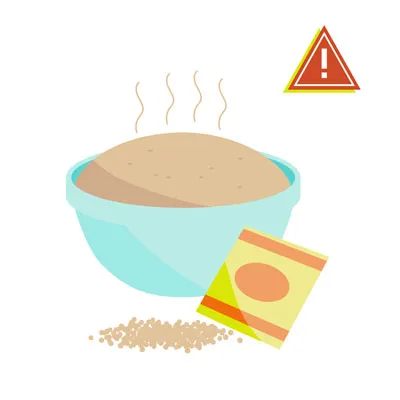 A bowl of raw dough being kneaded on a flour-dusted surface, representing the danger of yeast and uncooked dough for dogs.
20. Raw Meat
Never feed your dog raw or undercooked meat. Raw meat can harbor bacteria like Salmonella or E. coli, which are harmful to dogs as well as humans. Additionally, bones in raw meat can pose a choking hazard.
21. Rhubarb
Rhubarb, often used in desserts, is not safe for pets. Its leaves contain soluble calcium oxalate crystals. Ingested in sufficient quantities, these crystals can bind with calcium in the body, causing a dangerous drop in calcium levels and potentially leading to renal failure, which could be life-threatening for your dog. Symptoms include tremors, weakness, drooling, bloody urine, changes in thirst and urination, and vomiting.
22. Star Fruit
Similar to rhubarb, star fruit also contains soluble calcium oxalate crystals. It is advisable to prevent your dog from snacking on this fruit.
23. Flavored and Seltzer Water
It is always best to err on the side of caution and provide your dog with fresh, clean water instead of flavored or carbonated beverages. Seltzer and flavored waters can contain added ingredients like sugar or salt that are dangerous to pups. Plain seltzer water might be acceptable in small, urgent situations, but it can cause gas and bloating. Sticking to plain water is the safest option.
13 Safe Foods for Dogs
While the list of what foods dogs should not eat is extensive, there’s also a long list of what foods are good for dogs to eat. Some of the safest and most enjoyable foods for dogs include very small amounts of dehydrated chicken or beef, apples (without the core), green beans, and carrots.
Here are some popular human foods your dog can safely enjoy:
1. Apples, Oranges, and Bananas
Remember to avoid apple cores and seeds due to cyanide content, but the fleshy parts of apples are perfectly fine. Slice off small pieces to ensure no core is ingested. Oranges are safe in small quantities, and bananas (peeled) can be a tasty treat in moderation.
2. Blueberries and Blackberries
Blueberries are a delightful and healthy treat for dogs, rich in antioxidants, fiber, phytochemicals, and vitamin C, all beneficial for your pup’s health. Blackberries are also safe for dogs.
3. Cantaloupe, Mango, Peaches, Pears, Pineapples, and Watermelon
Many fruits can be safely enjoyed by your dog! Cantaloupe is a great starting point. Watermelon, with its rinds and seeds (including pale seeds from seedless varieties) removed to prevent choking, is especially refreshing on a warm day due to its high water content.
Mangoes, peaches, pears, and pineapples are also safe in moderation. Always remove seeds, pits, and cores before offering these fruity treats.
4. Carrots, Cucumber, and Celery
When considering safe vegetables, remember the “three C’s”: carrots, cucumbers, and celery. These are excellent options for overweight dogs because they are low in calories. Bite-sized carrot pieces provide a satisfying crunch that many dogs love. Celery bites also offer a fun texture and can help with bad breath. Cucumber slices are packed with vitamins and minerals while being very low in carbohydrates or fats.
5. Cheese
While dairy products like milk should generally be limited, a small amount of cheese occasionally is acceptable if your dog is not lactose intolerant. Opt for lower-fat cheese varieties, such as a small piece of mozzarella, as a treat.
6. Eggs
Fully cooked eggs can be a delicious and nutritious treat for your dog. Scrambled eggs can even help soothe an upset stomach and provide a good source of protein.
7. Peanuts, Peanut Butter, and Cashews
Peanuts and cashews are safe for dogs in small quantities. Due to their high fat content, offer them sparingly and ensure they are unsalted, unflavored, and unseasoned. For what can i give a dog to eat that’s a classic, peanut butter is a high-protein, delicious option in moderation. Always choose unsalted varieties and avoid any sugar-free options containing xylitol.
8. Popcorn and Corn
Popcorn can be another tasty treat for your dog. Choose air-popped, unsalted, and unbuttered popcorn. Carefully check for unpopped kernels, which can pose a choking hazard. Corn (removed from the cob) is also acceptable when served plain, without butter, salt, or spices.
9. Coconut and Honey
In small amounts, coconut (including coconut milk and coconut oil) is generally fine for dogs. It contains lauric acid and may even help with allergies. However, some dogs might experience an upset stomach from fresh coconut or coconut milk, so use with caution. Avoid coconut water, which is not safe for dogs, and do not let your dog chew on the fibrous husk, which can cause choking.
Honey in moderation is also safe and offers numerous vitamins and minerals beneficial for your pup.
10. Shrimp and Fish
Plain, fully cooked shrimp is a great choice for your dog. Ensure the shell, head, tail, and legs are removed, and avoid any seasoned, salted, or buttered preparations. Fish, especially salmon and sardines, is also permissible. Make sure the fish is plain, fully cooked, and boneless. A good guideline is to feed fish no more than twice a week. Plain, canned tuna packed in water (not oil) is safe in moderation to limit excess mercury and salt.
11. Turkey
Turkey meat is healthy and safe for dogs once the skin, fat, and bones are removed. Offer small, plain bites of turkey as a delicious treat and an excellent source of protein. Always avoid seasoned or salted turkey. This can be a great addition to the list of what foods dogs should not eat‘s counterpart – safe foods.
12. Grains, Wheat, and Quinoa
Small amounts of wheat or other grains are generally fine for dogs, similar to corn. Quinoa is a slightly healthier filler option. Monitor your dog for any signs of allergic reactions.
13. Green Beans
Many dogs enjoy green beans, whether served raw, steamed, or from a can. They are safe, tasty, and healthy—a winning combination. Opt for raw or plain cooked green beans without added spices, oils, or salt. Cut them into small bites to prevent choking.
What Dogs Are Most at Risk if They Consume Toxic Foods?
While all dogs should be protected from ingesting toxic foods, some are at a higher risk than others:
- Small breeds vs. large breeds: Smaller dogs are more vulnerable due to their lower body weight, especially to substances like chocolate.
- Puppies: Younger dogs have less developed digestive and immune systems, putting them at greater risk from certain substances.
- Elderly dogs: Older dogs may face higher risks due to pre-existing health conditions.
- Dogs with pre-existing conditions: Many existing health conditions, such as diabetes or kidney disease, can increase a dog’s risk.
How To Prevent Dogs from Eating Toxic Foods
While accidents can happen, proactive steps can significantly minimize the risk of your beloved pup getting into unsafe human food.
1. Store Foods Out of Reach
Ensure toxic foods are inaccessible to your dog. Keep dangerous items on high shelves or locked away in cabinets that your pup cannot open.
2. Avoid Feeding Dogs from Your Plate
Do not feed your dog from your plate or in the kitchen while you are cooking, even if it’s just a small treat. It is safest to only give your pup treats specifically made for dogs.
3. Educate Family Members and Guests
Inform your family members, including children, and any guests that they should never sneak food to your dog, no matter how tempting it may be.
4. Be Careful During Holidays
Exercise extra caution during holidays. The busy season can make it easy to lower your guard while cooking and entertaining.
If, despite your precautions, your dog eats something toxic, be prepared to act quickly. Keep emergency contact information readily available for 24/7 veterinarians or poison control services, including during holidays.
What To Do if Your Dog Eats Something Toxic
If your dog consumes toxic food, seek help as quickly as possible. Familiarize yourself with the symptoms of food toxicity to quickly recognize if your dog has eaten something harmful. Symptoms vary depending on what was ingested and can include listlessness, distress, pain, vomiting, bloody stools, or a bloated stomach that feels hard to the touch due to gas, which can lead to a painful and potentially rupturing condition if not treated.
If you notice these symptoms, take the following steps:
- Call your veterinarian or poison control immediately. Timing is critical. Treatments are typically more successful, and hospitalization is shorter if a dog receives prompt help.
- Be ready with all important information. This includes the type of food eaten, the amount consumed, and the time of ingestion.
- Avoid home remedies unless advised by your veterinarian. Remedies can vary depending on the specific toxin. Even inducing vomiting can be harmful in certain situations.
Dog Care Story Helps You Keep Your Dog Healthy
From household toxins to dangerous foods, keeping track of everything your dog shouldn’t get into can be challenging. Dogs don’t always have the most discerning taste! However, by following this guide and remaining vigilant, you can help keep your dog safe from harmful foods.
The good news is that many foods are safe and healthy for your dog to enjoy! Discover which ones from our safe list your dog loves, and offer them as treats when they’ve been good. If you are ever unsure about any food item, always consult with your veterinarian. For more tips on their diet, you might want to learn about what should i give my dog to eat.
References
- Parker, Hilary. “Top 10 dog poisons.” WebMD, May 2023. https://www.webmd.com/pets/dogs/top-10-dog-poisons
- Colorado State University. “What happens if a dog eats chocolate?” October 2023. https://vetmedbiosci.colostate.edu/vth/animal-health/why-is-chocolate-bad-for-dogs/
- American Kennel Club. “Fruits and vegetables dogs can or can’t eat.” March 2024. https://www.akc.org/expert-advice/nutrition/fruits-vegetables-dogs-can-and-cant-eat/
- Klein, Jerry. “What to do if your dog drinks alcohol.” American Kennel Club, July 2023. https://www.akc.org/expert-advice/vets-corner/is-alcohol-dangerous-for-dogs/
- Joy, Hector. “Can dogs eat apples?” PetMD, December 2022. https://www.petmd.com/dog/general-health/can-dogs-eat-apples
- Koschalk, Katie. “Can dogs eat plums?” Chewy, July 2023. https://be.chewy.com/nutrition-pet-diet-tips-can-dogs-eat-plums/
- Hayes, Cristine. “Avocado (Persea spp) Toxicosis in Animals.” Merck Veterinary Manual, September 2024. https://www.merckvetmanual.com/toxicology/food-hazards/avocado-persea-spp-toxicosis-in-animals
- ASPCA. “People foods to avoid feeding your pets.” (n.d.). https://www.aspca.org/pet-care/animal-poison-control/people-foods-avoid-feeding-your-pets
- American Kennel Club. “People foods dogs can and can’t eat.” March 2024. https://www.akc.org/expert-advice/nutrition/human-foods-dogs-can-and-cant-eat/
- Ardente, Amanda. “Can dogs eat nuts?” PetMD, January 2023. https://www.petmd.com/dog/nutrition/can-dogs-eat-nuts
- Mitchell, Sandra C. “Can dogs drink milk?” PetMD, January 2024. https://www.petmd.com/dog/nutrition/can-dogs-drink-milk
- Morrison, Barri J. “Can dogs have nutmeg?” PetMD, November 2023. https://www.petmd.com/nutmeg-safe-dogs
- Schmid, Renee, et al. “Onion, garlic, chive, and leek poisoning in dogs.” VCA Animal Hospitals, 2024. https://vcahospitals.com/know-your-pet/onion-garlic-chive-and-leek-toxicity-in-dogs
- Burke, Anna. “Can dogs eat tomatoes?” American Kennel Club, October 2024. https://www.akc.org/expert-advice/nutrition/can-dogs-eat-tomatoes/
- Ripley, Katherine. “Can dogs eat potatoes?” American Kennel Club, November 2023. https://www.akc.org/expert-advice/nutrition/can-dogs-eat-potatoes/
- American Kennel Club. “What to do if your dog eats a cigarette butt.” June 2023. https://www.akc.org/expert-advice/health/dog-ate-cigarette-butt/
- Goldstein, Lisa. “Dough & dogs: Why it’s bad and what you can do.” Preventive Vet, July 2024. https://www.preventivevet.com/dogs/dough-is-toxic-to-dogs
- Pet Poison Helpline. “Rhubarb.” (n.d.). [https://www.petpoisonhelpline.com/poison/rhubarb/](https://www.petpoisonhe lpline.com/poison/rhubarb/)
- Logue, Heather. “Can dogs drink carbonated water?” Rover, (n.d.). https://www.rover.com/blog/can-dogs-drink-carbonated-water/
- Malmanger, Ellen. “What fruits can dogs eat?” PetMD, February 2024. https://www.petmd.com/dog/nutrition/what-fruits-can-dogs-eat
- Burke, Anna. “Can dogs have green beans?” American Kennel Club, August 2022. https://www.akc.org/expert-advice/nutrition/can-dogs-have-green-beans/
- CDC. “About pet food safety.” April 2024. https://www.cdc.gov/healthy-pets/about/pet-food-safety.html
