
Australia, a land renowned for its unique wildlife, also boasts a rich history of horse breeding, creating several distinct and remarkable breeds that often go unnoticed amidst the more famous marsupials. From sturdy working horses to elegant riding companions, these Australian horse breeds have played a significant role in the nation’s development and continue to be cherished by equestrians. This article delves into some of the finest Australian horse breeds, highlighting their origins, characteristics, and contributions to the equestrian world.
1. Brumby
The Brumby is an iconic symbol of the Australian outback, characterized as a feral horse breed. These horses are a testament to resilience, believed to be descendants of horses that escaped from early European settlers. Thriving in the Australian Alps, Queensland, and the Northern Territory, Brumbies are a hardy mix of various breeds, including Thoroughbreds, Arabians, and Irish and Australian Draft horses. Their size and color vary significantly, reflecting their diverse ancestry, with an average height between 12 to 16 hands. With an estimated population of 40,000, Brumbies roam freely, embodying the wild spirit of the Australian landscape.
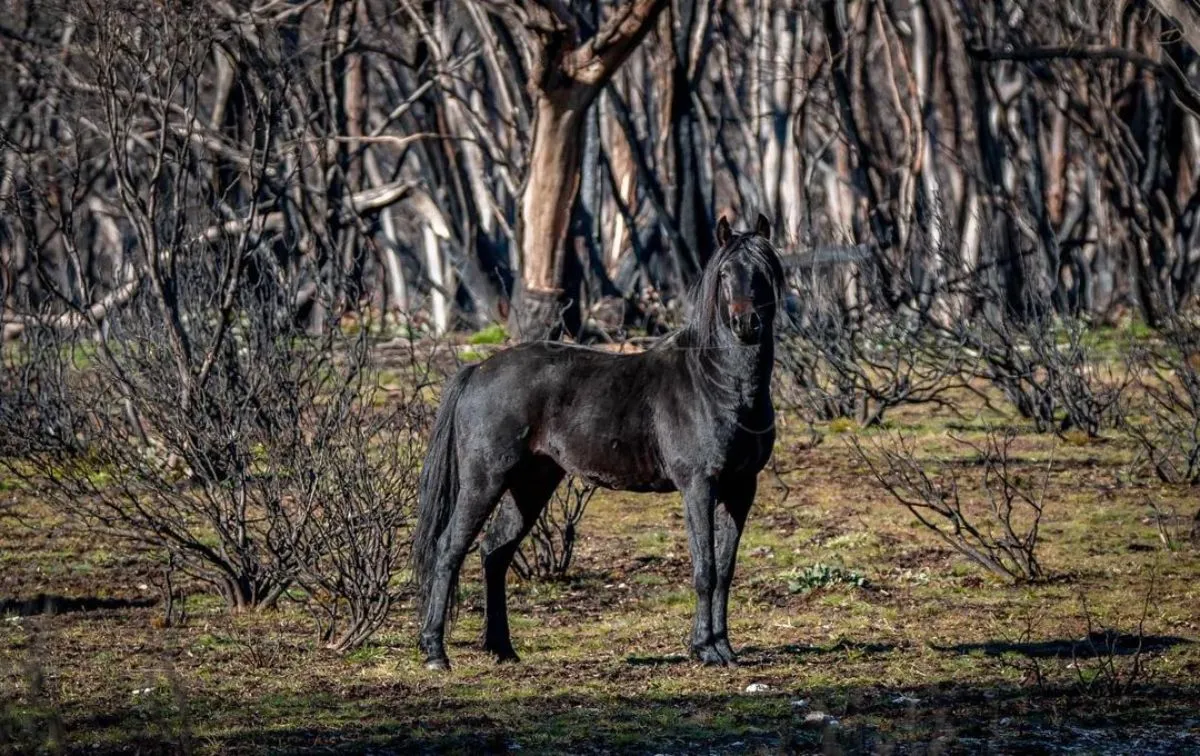 A beautiful black Brumby horse stands near a forest.
2. Australian Stock Horse
The Australian Stock Horse is a highly respected breed known for its versatility and intelligence. Developed from a blend of Cape of Good Hope horses, Arabians, Welsh Mountain Ponies, and Timor Ponies, this breed possesses distinctive expressive features, including straight noses and wide foreheads, often giving them an intelligent appearance. While bay is a popular color, they come in a variety of hues. Adaptable and obedient, the Australian Stock Horse excels in various equestrian disciplines, including campdrafting, point-to-point races, polo, and gymkhana.
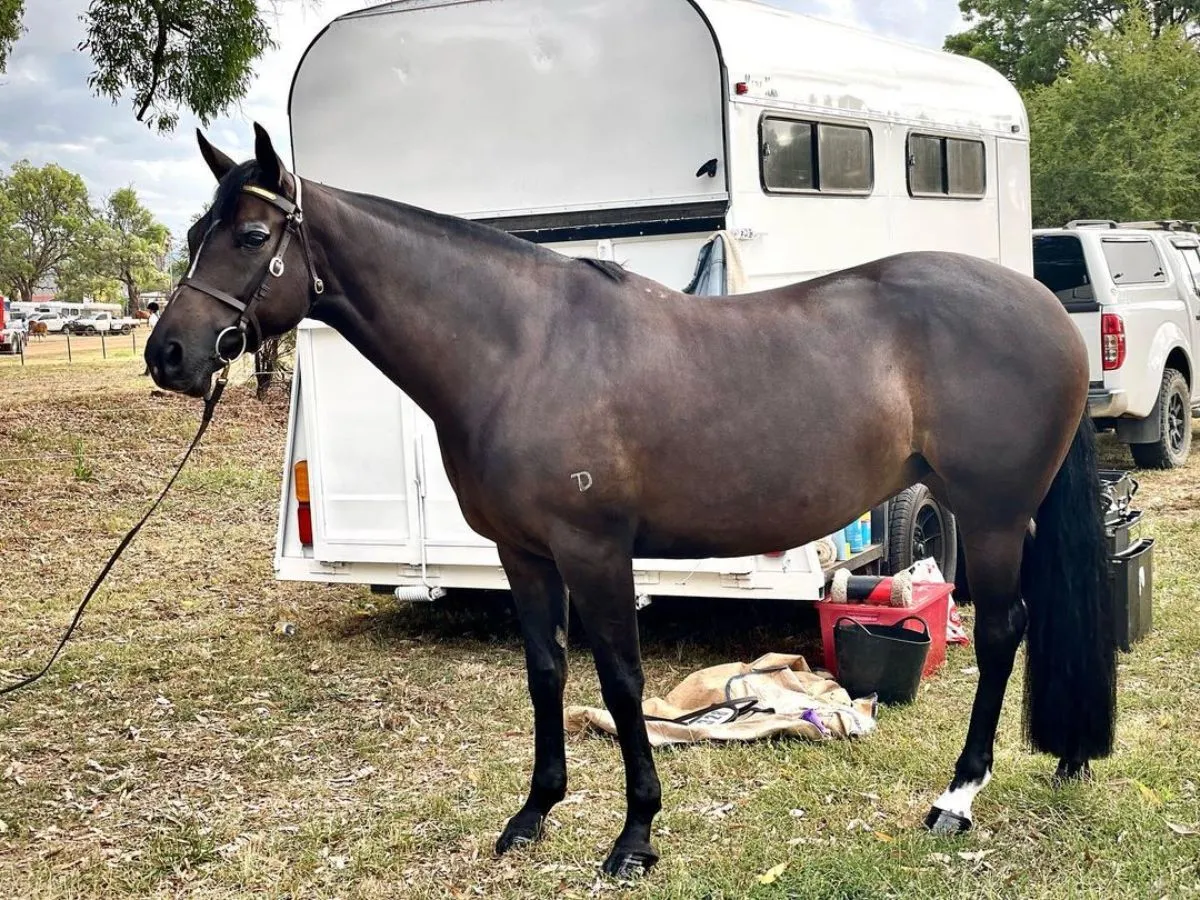 An elegant brown Australian Stock Horse stans near a white horse trailer.
3. Australian Pony
Officially recognized in 1920, the Australian Pony is a younger breed, resulting from a cross between Arabian and Welsh Mountain Ponies. Averaging between 11 to 14 hands, these ponies were initially bred for light draft and work. Today, they are a favored choice for children’s riding lessons due to their blend of intelligence and curiosity. Their adaptable nature and eagerness to learn make them excel in show events and dressage, making them a popular and endearing breed.
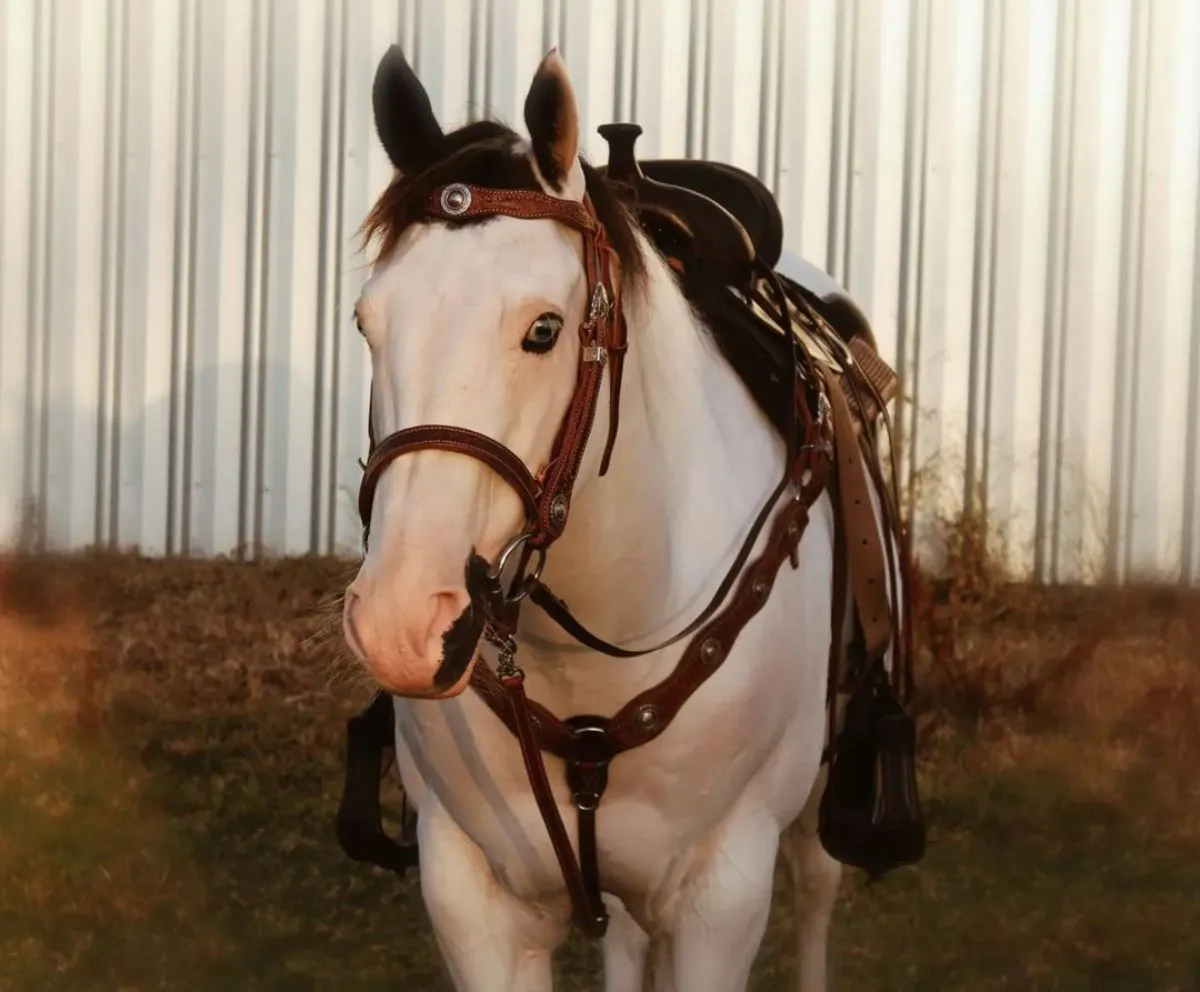 An adorable white Australian Pony with a leather saddle.
4. Australian Draught Horse
Originating in the 1800s during the Australian Gold Rush, the Australian Draught Horse was bred for its sturdy build and light footwork. Its lineage combines the Percheron, Shire, Clydesdale, and Suffolk Punch breeds. Standing tall at an average of 16-17 hands, these horses have a moderately heavy build and exhibit light to medium feathering, inherited from their Percheron ancestors. While their use has shifted from the goldfields to working farms and logging camps, they occasionally serve as driving animals, showcasing their enduring strength and utility.
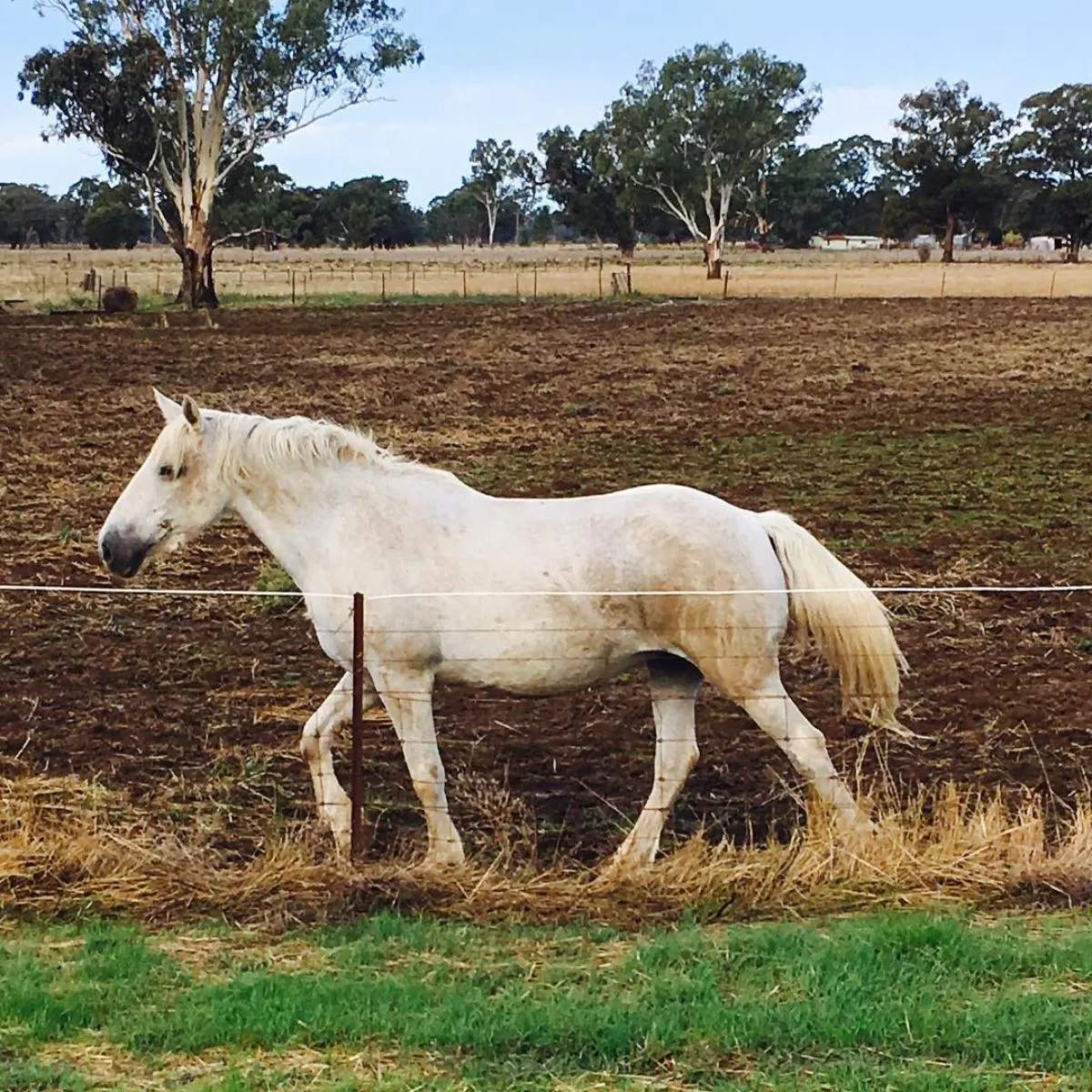 A big white Australian Draught Horse walks on a field.
5. Waler
The Waler horse shares a similar pedigree to the Australian Stock Horse, with additions of Thoroughbreds and British native ponies. This mixed origin results in considerable variety, with some Walers resembling draft horses and others exhibiting characteristics of classic desert horses. Bred for the challenging Australian landscape, their versatility made them exceptional cavalry horses, with large numbers exported to the British Army by 1830. They played a crucial role in the Boer War and World War I with Australia’s Light Horse Brigade. Facing extinction by the 1960s, the Waler experienced a revival through the efforts of equine experts and the establishment of the Waler Horse Society, ensuring the preservation of this historically significant breed.
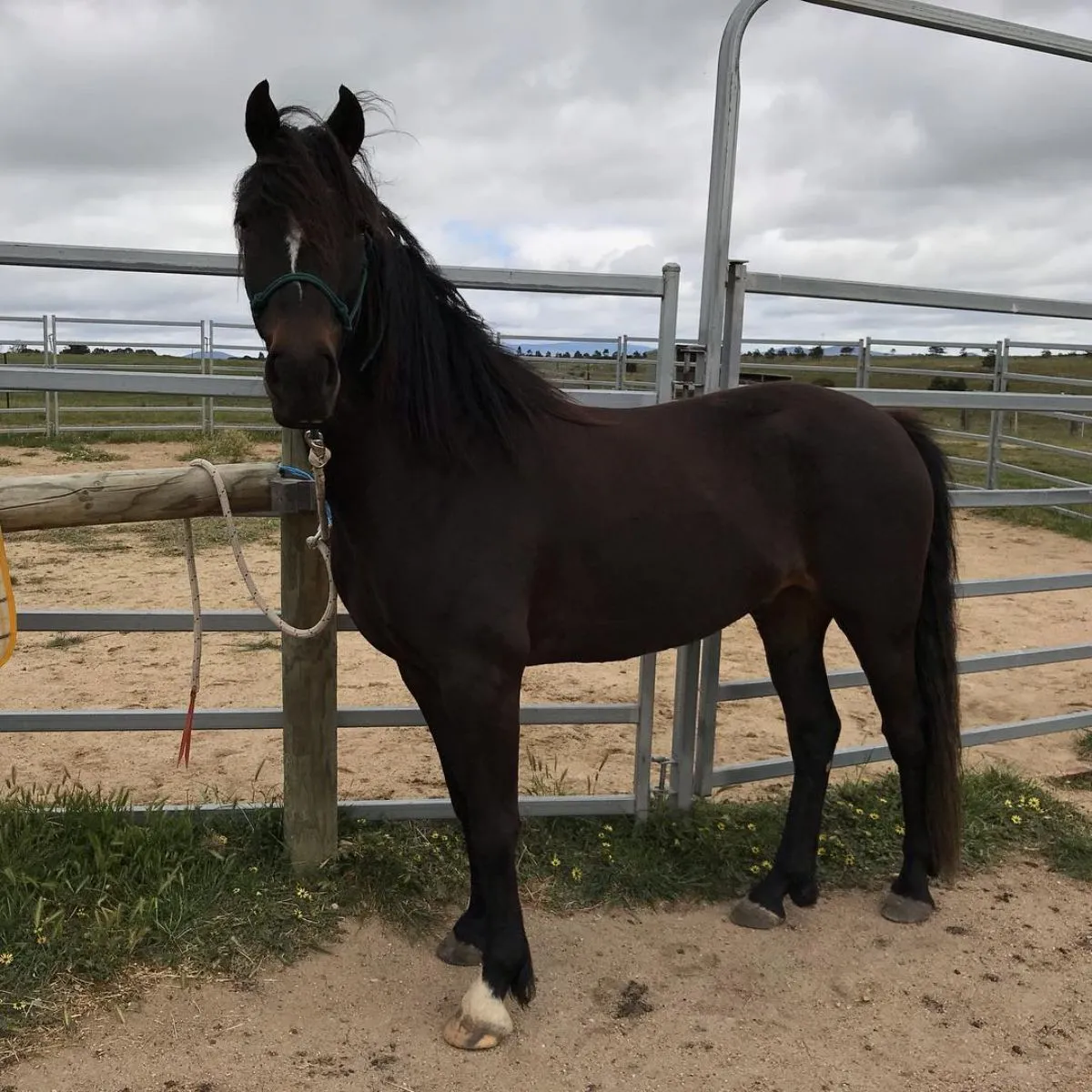 A dark brown Waler horse stands near a metal fence.
6. Australian Riding Pony
Emerging in 1970, the Australian Riding Pony is a relatively young breed created by crossing British Riding Ponies with Thoroughbred and Arabian bloodlines. Officially registered in the 1980s, these ponies are admired for their elegance, grace, and study hind legs. Typically found in solid colors like gray, black, and bay, they average between 12 to 14 hands. Their placid and clever nature makes them ideal starter horses for children and proficient in disciplines such as dressage and gymkhanas.
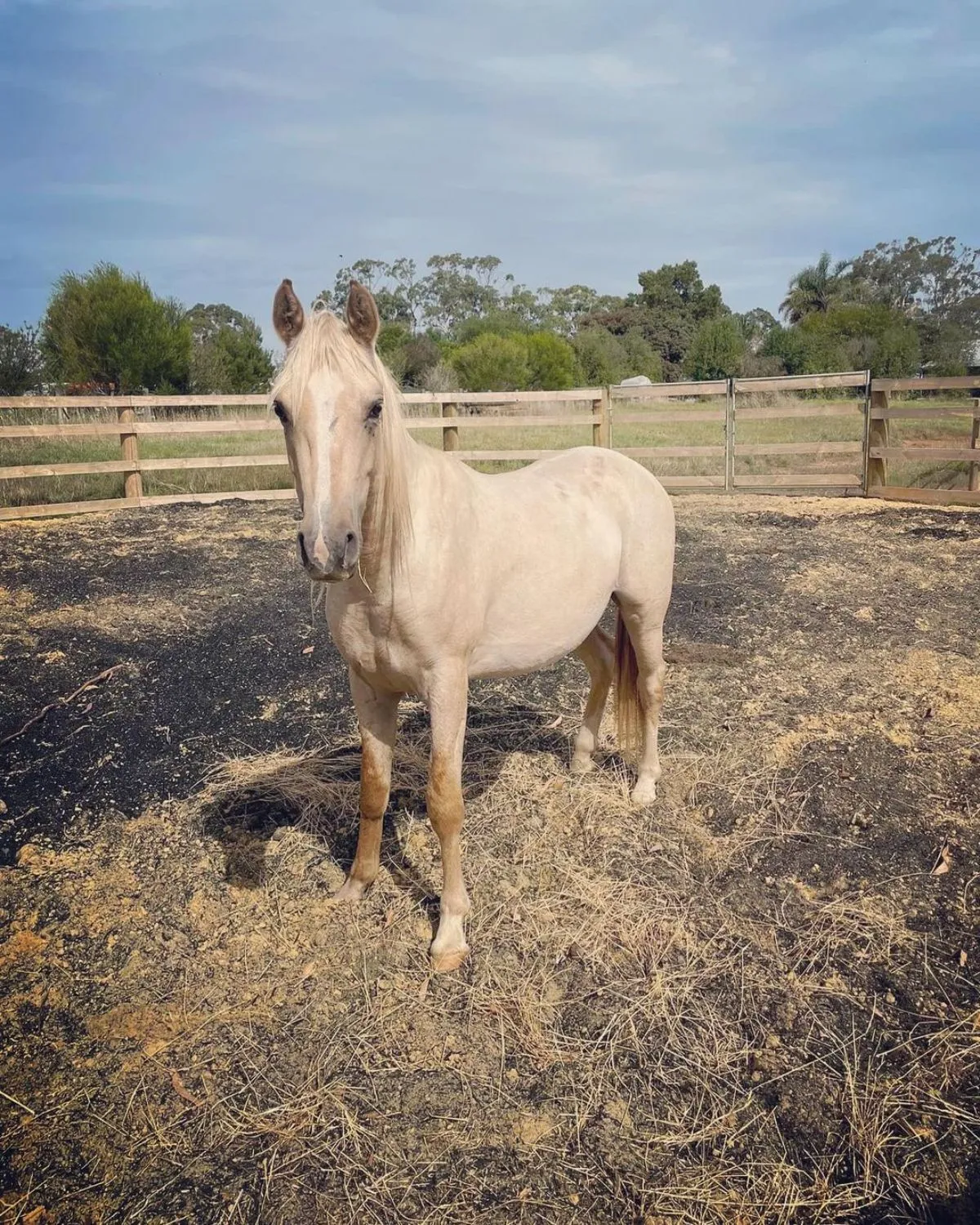 An elegant Australian Riding Pony stands on a ranch.
7. Coffin Bay Pony
Named after the region they inhabit, Coffin Bay Ponies are a semi-feral breed native to Coffin Bay, Australia. Descended from Timor Ponies introduced in 1836, they are distinct from the Brumby, possessing a less complex pedigree. Standing at 14.2 hands, they are commonly seen in bay, brown, gray, chestnut, roan, blue, and dun colors. While requiring time and effort to foster a bond, Coffin Bay Ponies are known for their kind and clever disposition, making them suitable for children once properly trained.
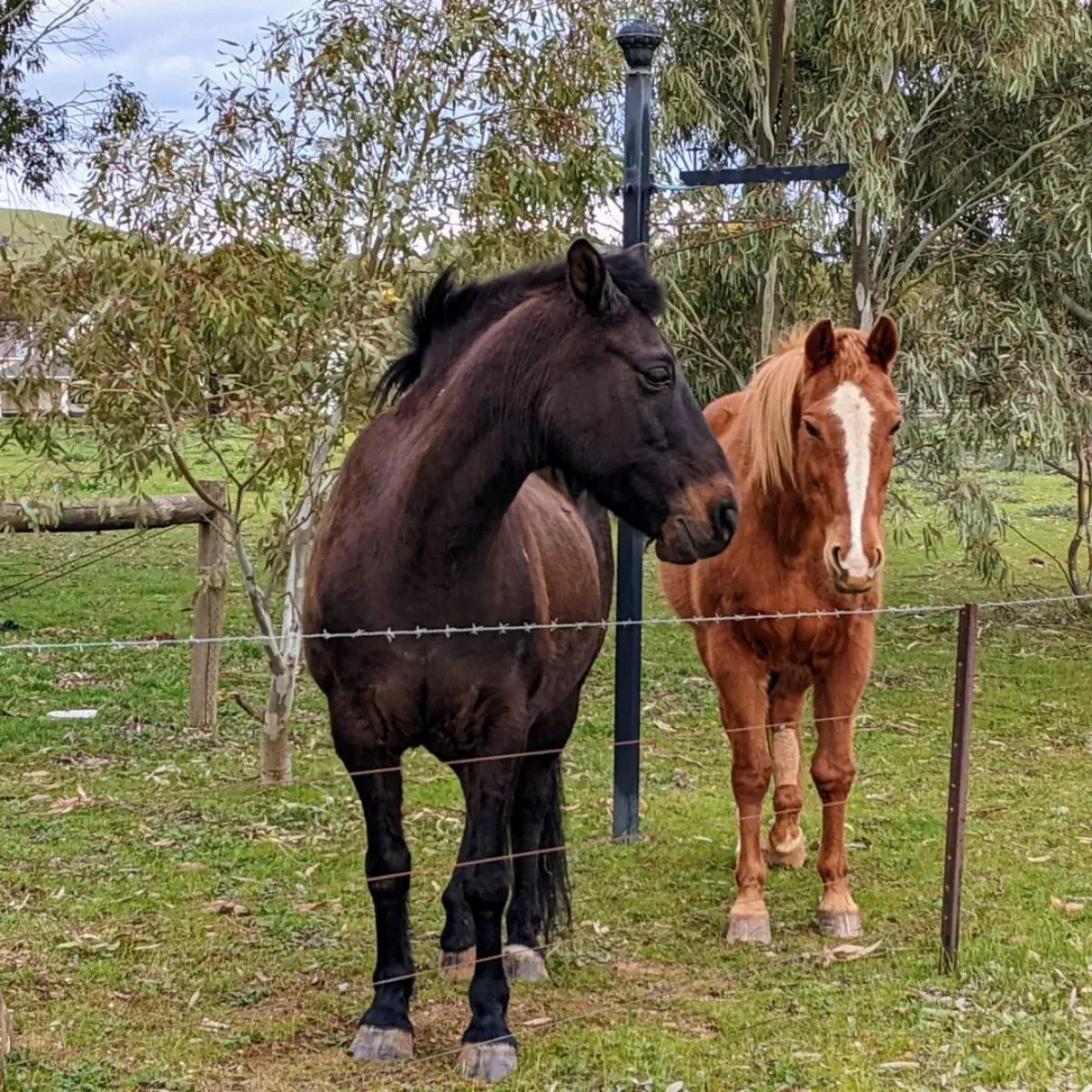 A dark brown Coffin Bay Pony with its mate stands near a wire fence.
8. Australian Spotted Pony
The Australian Spotted Pony is a beloved breed, recognized for its distinctive coat patterns resembling those of the Appaloosa. Standing no more than 14 hands, this breed can be crossed with several approved pony breeds, including Welsh Mountain, Shetland, Dartmoor, and Palouse Ponies. It is classified into four distinct categories: Breeding, Breeding and Showing, Showing, and Hardship, reflecting its diverse roles within the equestrian community.
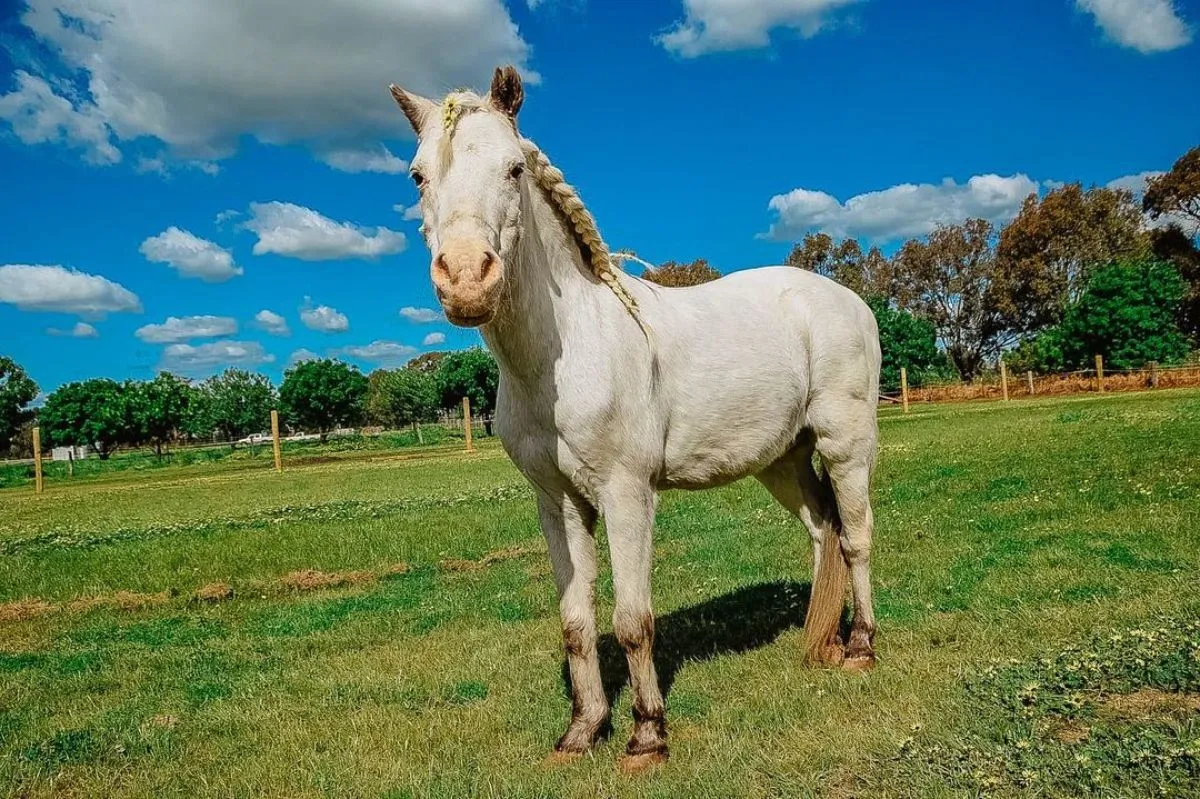 An adorable white Australian Spotted Pony with a curled mane stands on a ranch.
9. Australian Stud Saddle Pony
This remarkable horse-pony hybrid combines the calm temperament of a pony with the nobility and grace of Arabian horses. The Australian Stud Saddle Pony is highly adaptable, excelling in disciplines like dressage and jumping, and also popular as hunters. Their amicable disposition makes them ideal mounts for children learning to ride. While typically a solid color, notable exceptions include the cremello and perlino coat patterns.
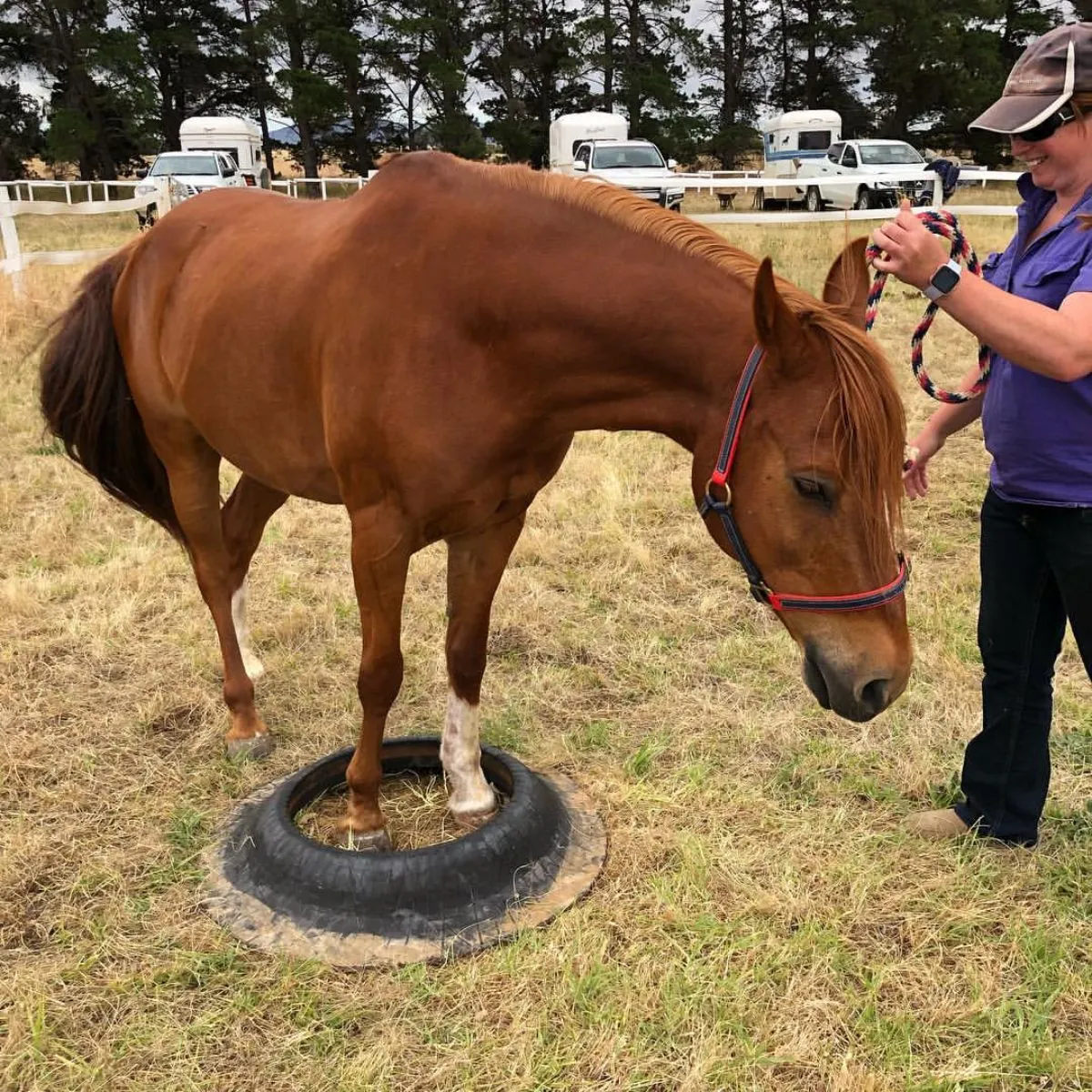 A brown Australian Stud Saddle Pony learns how to overcome fear.
10. Australian White Horse
The Australian White Horse is unique in that it is classified by color rather than bloodline, making it more of a coat coloration than a distinct breed. These horses are not true albinos, possessing blue eyes and some pigment, with two variations of this pseudo-albino coloration: cremello and perlino. Due to this classification, there is considerable variation in personality, skill set, and body type, yet all are considered beautiful.
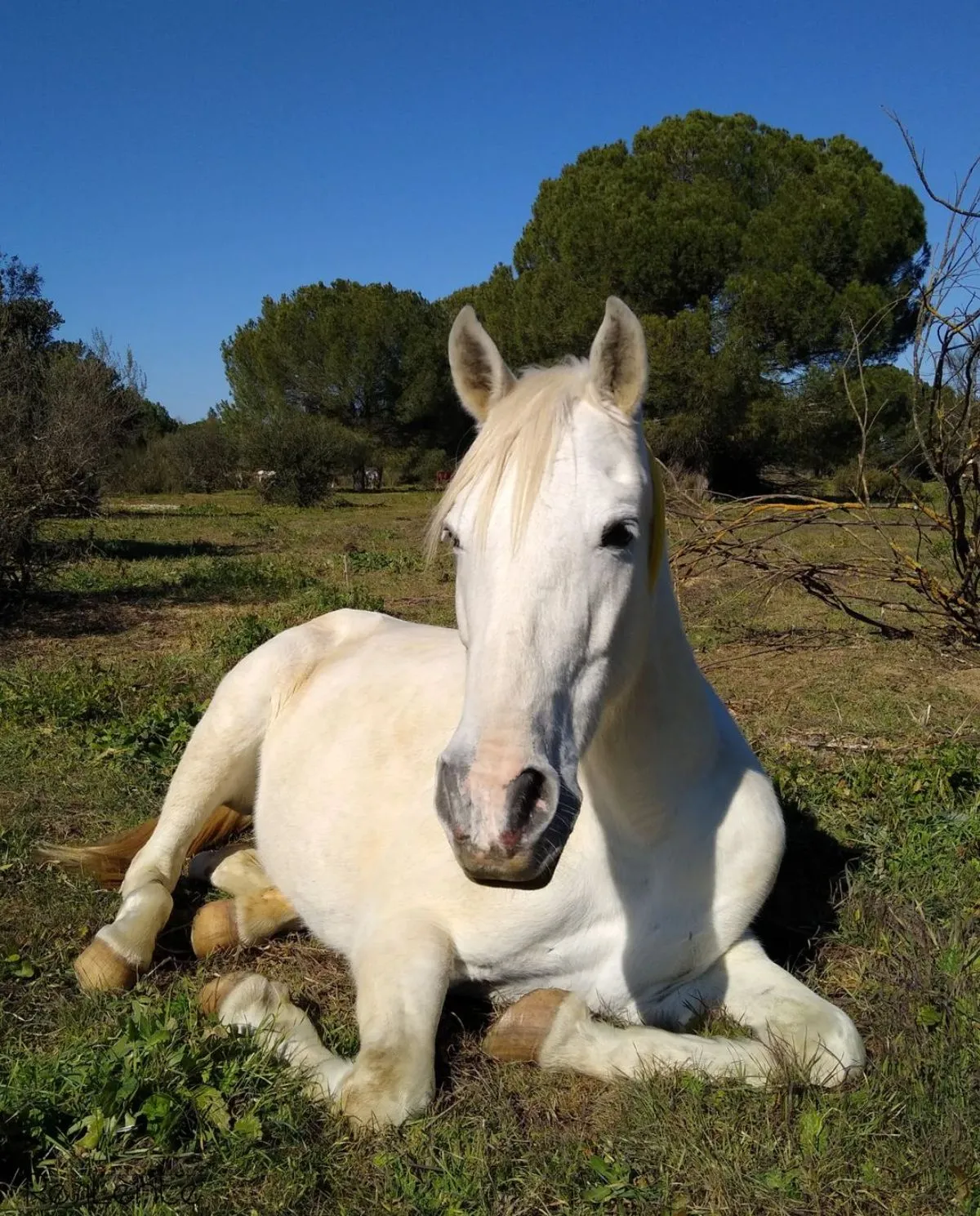 An Australian White Horse lays on the ground.
Conclusion
While often overshadowed by Australia’s more famous fauna, the country’s horse breeds are a significant part of its heritage. From the wild Brumbies to the versatile Stock Horses and elegant Riding Ponies, these breeds have contributed immensely to Australia’s history and continue to be valued for their unique characteristics and roles in modern equestrianism. Whether serving as working animals, competitive athletes, or beloved companions, Australian horse breeds stand as a testament to the nation’s rich equestrian legacy.
