
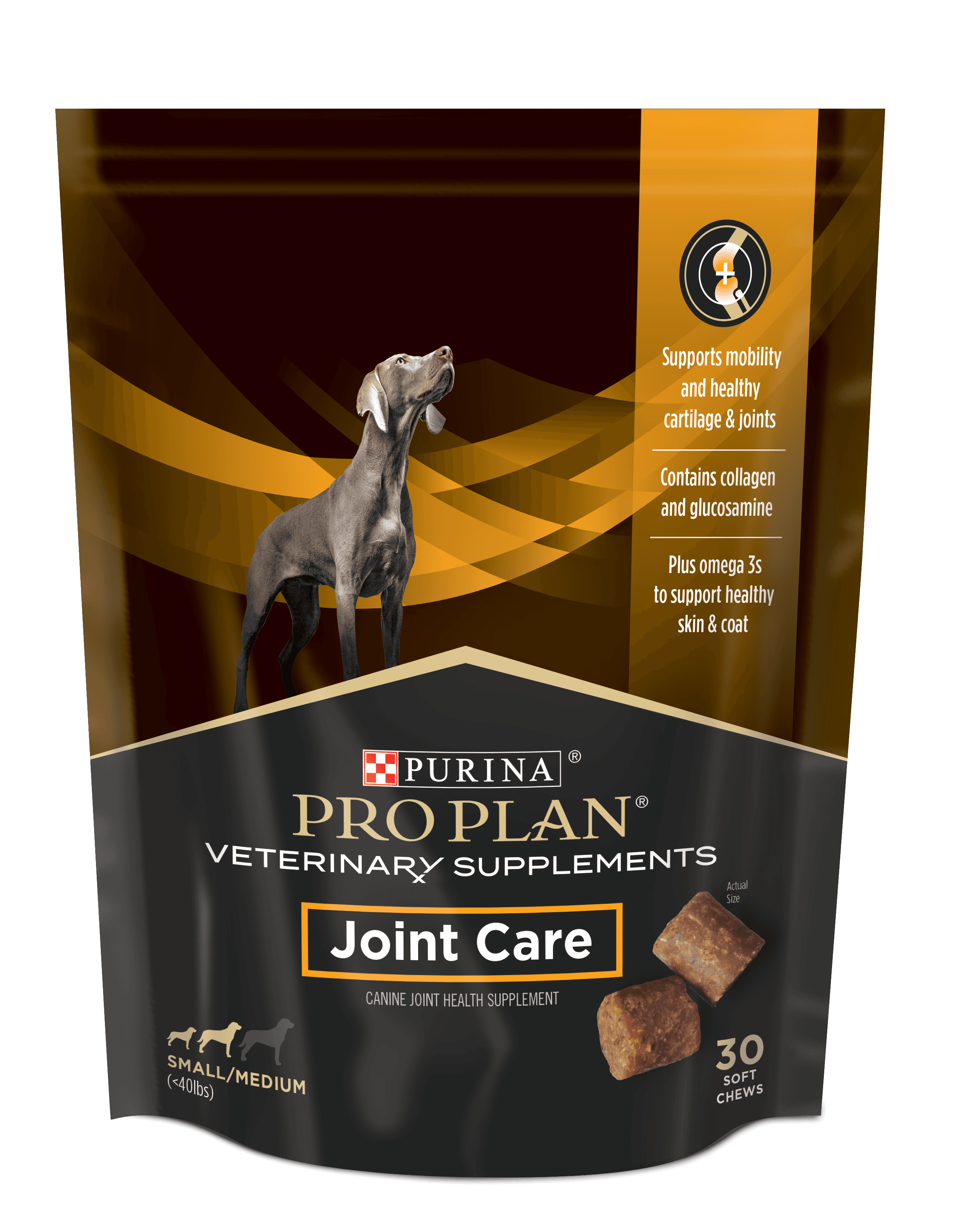
As devoted pet owners, ensuring our canine companions maintain a comfortable and active life is paramount. Joint health is a critical aspect of their well-being, especially as they age or if they face predispositions to certain conditions. Recognizing the signs that your dog might benefit from joint support and understanding the available options are key to proactive care.
Recognizing the Need for Joint Support
Observing your dog’s daily behavior is the first step in identifying potential joint discomfort. Subtle changes can indicate underlying issues.
Signs of Joint Discomfort
Look for stiffness, particularly after periods of rest, and apparent difficulty in rising or lying down. A reluctance to jump onto furniture or climb stairs, as well as a noticeable decrease in enthusiasm for walks or play, are also significant indicators. These symptoms can suggest joint pain or inflammation, conditions that joint supplements are designed to address. If you notice these changes, it is crucial to consult with your veterinarian.
Veterinary Consultation for Joint Health
Your veterinarian is your most valuable resource for assessing your dog’s joint health. They can perform a thorough physical examination, discuss your observations, and recommend diagnostic tests if necessary to determine the cause of discomfort. Based on their assessment, they can advise on whether a joint supplement is appropriate and guide you toward the safest and most effective options tailored to your dog’s specific needs.
The Role of Healthy Cartilage and Joint Function
Healthy cartilage is vital for smooth, pain-free movement in dogs. It acts as a protective cushion between bones, preventing friction and absorbing shock.
Cartilage’s Function in Movement
In a healthy joint, cartilage provides a smooth surface that allows bones to glide past each other with minimal resistance. This resilience is essential for weight distribution and shock absorption during activities like running, jumping, and even simple walking.
Impact of Cartilage Deterioration
When cartilage deteriorates due to age, injury, or disease, the protective cushioning is lost. This leads to increased friction between bones, resulting in pain, stiffness, and reduced mobility. The progression of joint disease can significantly diminish a dog’s quality of life, limiting their ability to engage in everyday activities they once enjoyed.
Common Joint Diseases in Dogs
Several conditions can affect a dog’s joints, with hip dysplasia and arthritis being among the most prevalent.
Hip Dysplasia and Arthritis
Hip dysplasia is a common genetic condition, particularly in larger breeds, where the hip joint doesn’t develop properly. This abnormal development can lead to instability and the eventual onset of arthritis. Arthritis, or joint inflammation, can occur due to wear and tear over time, autoimmune responses, or as a secondary issue related to conditions like hip dysplasia.
Breed Susceptibility
Certain breeds are genetically predisposed to specific joint problems. Large breeds like German Shepherds, Labrador Retrievers, and Golden Retrievers are often susceptible to hip dysplasia. Smaller breeds may be more prone to conditions like patellar luxation (a dislocating kneecap). Early screening and proactive management are important for these at-risk dogs.
Benefits of Chondroitin and Other Joint Supplements
Supplements containing ingredients like chondroitin sulfate can be highly beneficial for supporting canine joint health, reducing inflammation, and improving comfort and mobility.
Chondroitin Sulfate: Essential for Cartilage Health
Chondroitin sulfate is a key component of healthy cartilage, contributing to its elasticity and ability to withstand stress. It plays a crucial role in maintaining the structural integrity of joints, helping them remain flexible and well-cushioned. This is particularly important for active dogs, aging pets, or those with existing joint issues.
Synergistic Ingredients for Enhanced Support
The benefits of chondroitin can be amplified when combined with other joint-supporting nutrients. Glucosamine and MSM (methylsulfonylmethane) are frequently used alongside chondroitin. Together, these ingredients work to reduce inflammation, improve joint lubrication, and support cartilage repair. Omega-3 fatty acids, rich in EPA and DHA, offer potent anti-inflammatory effects that can decrease swelling and support overall joint function. Amino acids are also vital for rebuilding and maintaining joint tissues, aiding in repair and long-term structural support.
Exploring CBD for Joint Support
Beyond traditional supplements, CBD (cannabidiol) has emerged as a natural option for managing chronic joint pain and inflammation in dogs. Its potential benefits include pain relief, reduction of swelling and stiffness, and improved mobility, often without the side effects associated with some conventional medications. However, it is essential to consult your veterinarian before introducing CBD or any new supplement to ensure proper dosage and check for potential interactions.
Combining chondroitin sulfate with complementary supplements like omega-3 fatty acids and other beneficial nutrients can provide a comprehensive approach to joint care, helping to protect cartilage, manage pain, and improve your dog’s mobility.
