
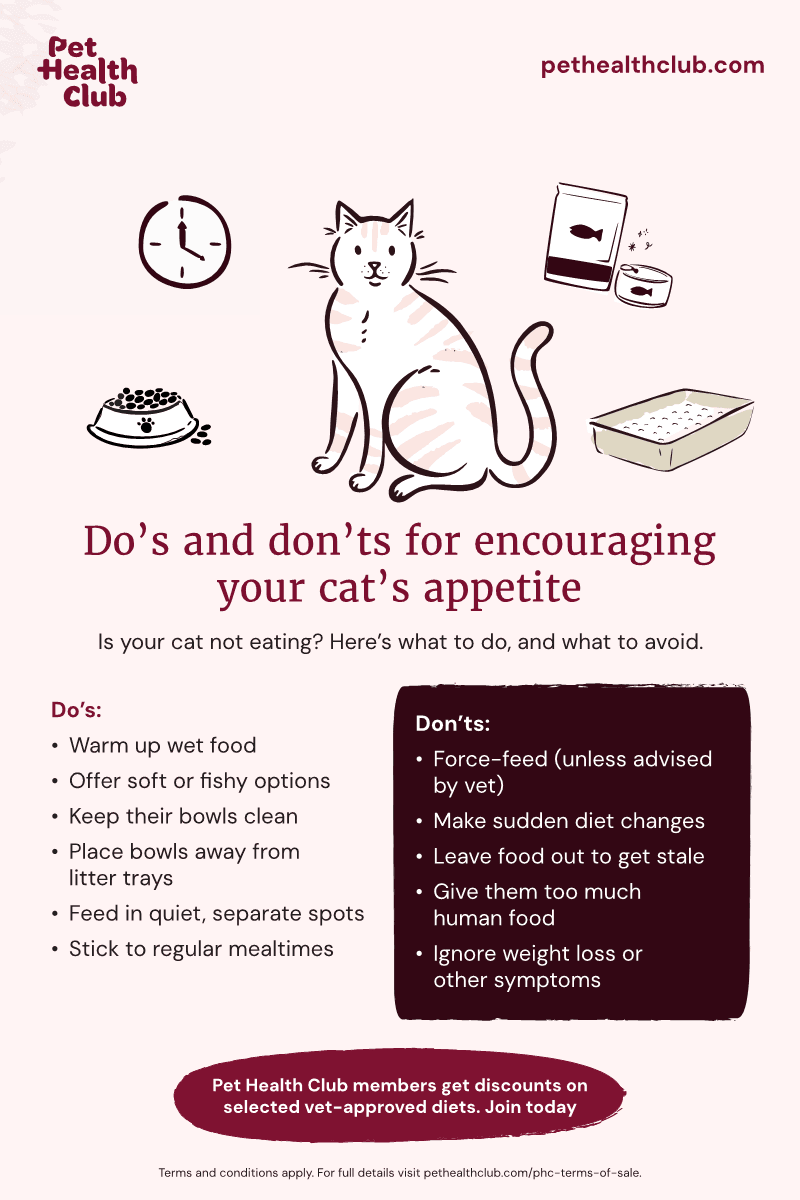
When your feline friend is under the weather, one of the most distressing signs can be a loss of appetite. Just like humans, cats often lose interest in food when they’re not feeling well. This can be a dangerous situation, as proper nutrition and hydration are vital for recovery. This guide offers practical tips and strategies to encourage your sick cat to eat, covering everything from ensuring adequate water intake to exploring specialized diets and appetite stimulants.
Cats need water more than food to survive, so prioritizing hydration is paramount. Ensure your cat always has access to fresh water, and monitor its consumption. If your cat is reluctant to drink, you might need to assist by carefully squirting small amounts of water into its mouth with a syringe. However, use this method sparingly. If your cat refuses to drink, professional help, such as intravenous hydration at a veterinary hospital, may be necessary.
Exploring Liquid Diets for Sick Cats
Liquid diets are an excellent way to provide both hydration and nutrition when a cat is unwilling or unable to eat solid food. Many cats that struggle with solid food can manage a liquid diet more easily. Fortunately, various pre-packaged liquid diet formulas are available for cats with specific health conditions. These can include low-protein options for kidney issues or high-calorie formulas for weight loss. Always consult your veterinarian to determine the most suitable liquid diet for your cat’s specific needs.
You can also create homemade liquid diets by pureeing your cat’s favorite foods or even using unseasoned baby food. This can be particularly helpful for cats with swallowing difficulties or dental problems. Chicken soup or bone broth, prepared without seasonings, can also be a comforting and nutritious option, providing essential moisture and nutrients. It’s important to remember that milk is not suitable for sick cats, as the lactose and fat content can lead to digestive upset.
Enticing Your Cat with Irresistible Treats and Toppers
If your cat turns its nose up at its regular food, consider using special toppers to pique its interest. Adding small amounts of sardines, tuna, plain cooked chicken, or gravy can stimulate their appetite. Cats are often drawn to strong-smelling foods, so opt for the most aromatic options available. Warming the food slightly before serving can further enhance its appeal.
It’s crucial to introduce these toppers in small, easily digestible quantities to avoid overwhelming a sensitive digestive system. Focus on lean meat products, as these are the primary source of nutrients for cats. Avoid high-fiber ingredients like fruits and vegetables, and starchy foods like rice and potatoes, as they can be difficult for a sick cat to digest. Steer clear of fatty meats for the same reason. For more ideas on tasty options, explore these cat treats your kitty will love.
When to Consider Appetite Stimulants
If your cat’s lack of appetite persists, your veterinarian might suggest appetite stimulants. Natural options like catnip can sometimes help, but if these are ineffective, prescription medications may be necessary. Commonly prescribed stimulants include mirtazapine, cyproheptadine, and capromorelin. Mirtazapine and cyproheptadine work by influencing serotonin levels, while capromorelin mimics the body’s natural appetite-boosting hormone, ghrelin. These medications are available in various forms, including topical gels and liquids.
If nausea is contributing to your cat’s disinterest in food, your vet may prescribe maropitant citrate. This medication helps block the signals that cause queasiness and vomiting and can be administered alone or with appetite stimulants. It’s often given in tablet form, so it might be easier to give it with food or water.
Immediate Veterinary Care for Refusal to Eat or Drink
If your cat completely refuses to eat or drink, it constitutes a potential crisis requiring immediate veterinary attention. Even if your cat manages to consume some food, it’s essential to understand and address the underlying illness. Your veterinarian is equipped to diagnose and treat the root cause of the problem. In severe cases, they can insert a feeding tube to ensure your cat receives necessary hydration and nutrition. Prompt veterinary evaluation is key to your feline friend’s speedy and complete recovery.
