
The name Lionel conjures powerful images of Christmases past, of intricate model train layouts chugging through miniature towns, and the sheer joy of a hobby passed down through generations. Within the vast catalog of Lionel’s history, certain set names appear and reappear, one of which is the Lionel Iron Horse Freight Train Set. For those new to the hobby or collectors browsing online marketplaces, seeing this name can be both exciting and confusing. Is it a hidden gem, a reliable starter set, or a piece of history best left on the shelf?
The truth is, the “Iron Horse” moniker has been applied to different sets over the years, each with vastly different characteristics and quality. Understanding which version you are looking at is the key to knowing if you’re getting a dependable workhorse or a finicky relic. This guide will walk you through the details, helping you make an informed decision on whether this iconic set deserves a place on your track.
Unpacking the Legacy: What’s in the Box?
Before diving into the specific versions, it’s important to understand what typically constitutes a “Ready-to-Run” freight set like the Iron Horse. These boxed sets are designed as an all-in-one entry point into the world of O-gauge model railroading. While components vary, most historical and modern sets include the essentials to get you started right away.
A typical Lionel Iron Horse Freight Train Set would include:
- A Locomotive: The star of the show, usually a steam engine like the classic 0-8-0 switcher.
- Rolling Stock: A collection of freight cars, which could include a gondola, a boxcar, a tanker, and always a caboose to finish the train.
- Track: A basic oval of track. The type of track (traditional tubular or modern FasTrack) is a major distinguishing factor between versions.
- Power Supply: A transformer or power pack and a controller to get the train moving.
The magic, and the potential frustration, lies in the details of these components, which changed significantly over the decades.
The Tale of Two Horses: Vintage vs. Modern
The “Iron Horse” name is most commonly associated with a set produced in the late 1980s and early 1990s, such as the 6-11703 model from 1989. This was a period when Lionel, like many companies, was navigating a challenging economic landscape and aimed to produce affordable sets to attract new, younger hobbyists. However, there are also modern era sets that, while not always carrying the exact “Iron Horse” name, follow a similar “starter freight” concept with vastly improved technology.
The Vintage Iron Horse (Late 1980s/Early 1990s)
This is the version you are most likely to find on auction sites or at flea markets. It was a product of its time, designed to hit a low price point. Unfortunately, this was often achieved through significant cost-saving measures in manufacturing.
A Word from a Historian
“The late 1980s were a transitional period for Lionel,” notes Dr. Alistair Finch, a historian specializing in 20th-century industrial design. “They were competing with video games and a host of new electronic toys. The budget-line sets of this era, like some versions of the Iron Horse, were an attempt to keep the model train hobby accessible. The trade-off was a move away from the heavy, die-cast construction that defined their postwar glory years toward more plastic-based manufacturing. For collectors, they represent a specific chapter in the company’s story.”
Key characteristics of this vintage set often include:
- Plastic Construction: Many components, including the couplers and the trucks (the wheel assemblies on the freight cars), were made of plastic. The couplers were often non-operational, fixed plastic hooks rather than the functional knuckle couplers found on higher-end models.
- Lightweight Locomotive: The engine, while capturing the classic look, lacked the heft and die-cast metal body of its predecessors. This lighter weight could sometimes affect its pulling power and traction.
- Simplified Trucks: The freight cars often featured very basic plastic trucks, sometimes with only a single axle and plastic wheels, which was a significant departure from the traditional die-cast sprung trucks.
- O-27 Tubular Track: These sets typically came with the traditional O-27 gauge tubular steel track, the standard for decades but often considered more finicky to connect than modern systems.
While these sets successfully introduced many children to the hobby, they are often viewed critically by modern collectors. The lightweight, plastic-heavy design can feel “cheap,” and performance can be inconsistent. For someone expecting the legendary, bulletproof quality of mid-century Lionel, this version can be a disappointment.
The Modern “Spiritual Successor”
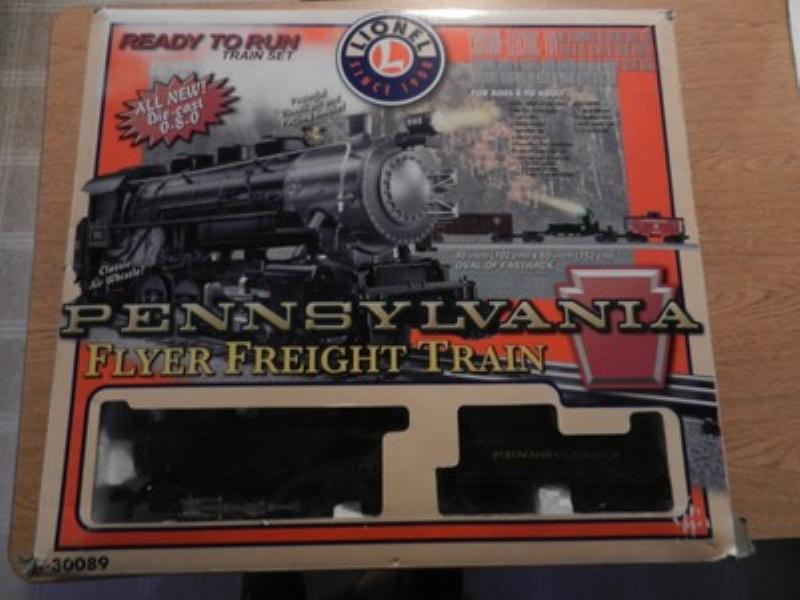
While you may not find a brand-new set named “Iron Horse” today, Lionel produces numerous “Ready-to-Run” freight sets that are its spiritual successors, like the popular Pennsylvania Flyer. These modern sets offer a much different and generally more satisfying out-of-the-box experience.
Features of a modern Lionel starter set include:
- Improved Locomotives: Even at the entry-level, many engines now feature more die-cast components, enhanced details, and often include features like a working headlight and a smoke unit.
- Better Sound and Control: Modern sets often come with a remote control and feature authentic train sounds, such as a whistle, bell, and chuffing sounds, creating a more immersive experience.
- FasTrack System: Lionel’s patented FasTrack, with its integrated roadbed and easy-to-snap-together design, is now standard in starter sets. It provides a much more stable and reliable connection than older tubular track, reducing frustrating derailments.
- Higher Quality Rolling Stock: While still designed to be affordable, the rolling stock in modern sets generally features better detail and more reliable metal trucks and operating couplers.
Is the Lionel Iron Horse the Right Set for You?
Deciding whether to purchase an Iron Horse set depends entirely on your goals and which version you are considering.
For the Nostalgia Seeker or Collector
If you had the 1989 Iron Horse set as a child, finding one in good condition can be a wonderful trip down memory lane. For collectors, it represents a specific era of Lionel’s history and can be an interesting addition to a larger collection that tells the company’s full story. Just be aware of its limitations and don’t expect it to perform like a premium, modern locomotive.
For a Child’s First Train Set
This is where caution is advised. A vintage Iron Horse set might seem like an affordable entry point, but the potential for operational frustration is high. The finicky couplers, lightweight engine, and older track can easily discourage a young, budding railroader. A modern “Ready-to-Run” set from Lionel is a far better choice for a first-time experience, offering greater reliability, more engaging features, and a much higher chance of sparking a lifelong passion.
For the Serious Model Railroader
A vintage Iron Horse set is generally not suitable for a serious, permanent layout. Its performance limitations and lack of detail will be quickly apparent. However, the freight cars could be upgraded with better wheels and couplers to be used as “runner” stock, or the engine could be a fun project for someone interested in tinkering and improving its performance.
 A detailed close-up of the vintage Lionel 0-8-0 steam locomotive from the Iron Horse set.
Final Verdict: An Important Lesson in a Box
The Lionel Iron Horse Freight Train Set is more than just a toy; it’s a perfect case study in the evolution of a legendary brand. The vintage versions from the 80s and 90s serve as a historical marker, a testament to a time when affordability was the top priority, sometimes at the expense of the rock-solid quality the brand was built on. While they hold nostalgic value, they can be a tricky proposition for newcomers.
If you are looking to start your model railroading journey or give it as a gift, we highly recommend investing in one of Lionel’s modern “Ready-to-Run” sets. The technological advancements in track design, remote control, and sound features provide a vastly superior and more enjoyable experience that is far more likely to convert a curious beginner into a dedicated hobbyist.
The Iron Horse, therefore, remains a fascinating piece of Lionel history. It’s a reminder that even iconic brands adapt to the times, and for buyers, it underscores a timeless lesson: always know what you’re looking for before you buy.
Frequently Asked Questions (FAQ)
Q: Can I use the track from a vintage Iron Horse set with modern Lionel track?
A: Yes, you can. Lionel sells special adapter track pieces that allow you to connect traditional O-27 tubular track to the modern FasTrack system, so you can integrate a vintage set into a newer layout.
Q: Are parts still available for the 1980s Iron Horse locomotive?
A: Finding exact replacement parts can be challenging. However, Lionel has reused many basic motor and wheel designs over the years. Many experienced hobby shops or online Lionel parts dealers can often find compatible parts to get a vintage engine running again.
Q: What is the typical value of a 1989 Lionel Iron Horse set?
A: The value varies greatly depending on condition and whether it includes the original box. A complete, boxed set in excellent condition can be a modest collector’s item, while a loose, well-used set may be purchased for a very low price, often for its parts.
Q: Do the freight cars from the vintage set have plastic or metal wheels?
A: The most budget-conscious versions of this set often came with plastic wheels on plastic trucks. This was a key cost-saving measure and a point of criticism, as they don’t perform as smoothly as traditional metal wheels.
Q: Was the Iron Horse set considered a “good” set in its day?
A: In its day, it was considered an affordable entry-level set. It served its purpose of making the Lionel brand accessible to more families. However, even at the time, more experienced hobbyists would have recognized it as being from the budget end of Lionel’s product line, lacking the features and robust build of their more expensive offerings.
