
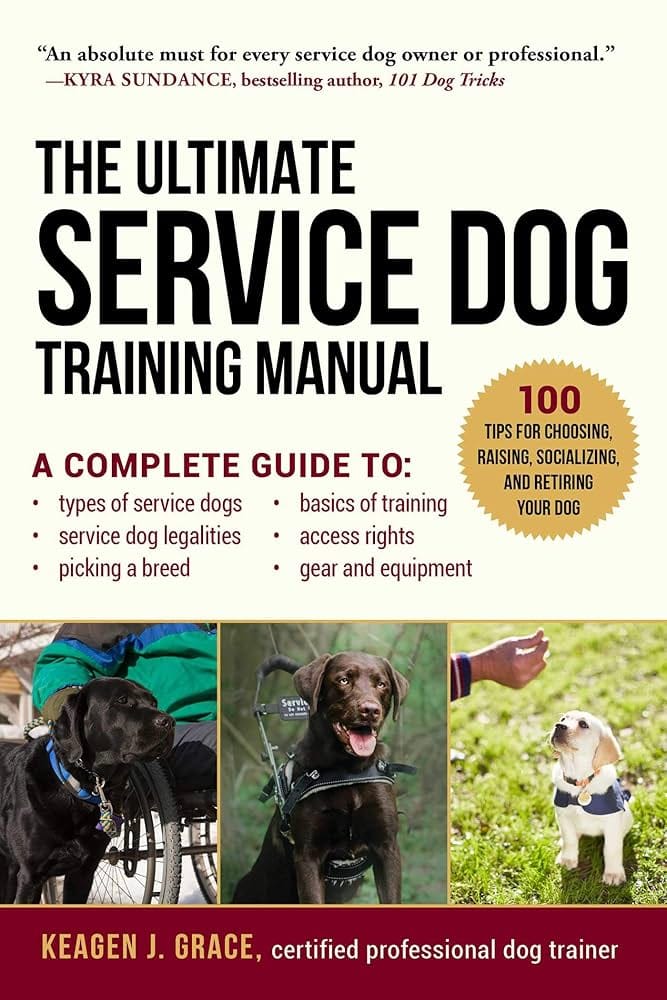
Embarking on the journey to train a licensed therapy dog is a deeply rewarding experience, offering a unique opportunity to share the unconditional love and comfort of your canine companion with those in need. This path requires dedication, patience, and a thorough understanding of the specific skills and temperament necessary for a successful therapy dog team. It’s not just about having a well-behaved dog; it’s about cultivating a dog that is not only obedient but also empathetic, calm, and adaptable in diverse and sometimes challenging environments. The goal is to create a partnership where your dog can provide therapeutic benefits to individuals in hospitals, nursing homes, schools, and disaster areas. Understanding the intricacies of licensed therapy dog training is the first step in this noble endeavor.
Understanding the Role of a Therapy Dog
Therapy dogs are not service dogs, nor are they emotional support animals, although there can be overlap in training. The key distinction lies in their purpose and legal protections. Service dogs are specifically trained to perform tasks for individuals with disabilities, such as guiding the blind, alerting the deaf, or retrieving dropped items. Emotional support animals (ESAs) provide comfort and companionship to their owners, and while they may require some basic training, they do not undergo the rigorous task-specific training of service dogs and do not have public access rights like service dogs.
Therapy dogs, on the other hand, offer comfort and affection to people in settings like hospitals, assisted living facilities, schools, and even during stressful events like disaster relief. Their training focuses on socialization, obedience, and the ability to remain calm and gentle in unfamiliar situations and around various people and other animals. They provide a source of joy, reduce stress, and offer a non-judgmental presence. The training for a therapy dog is crucial to ensure they are safe, reliable, and effective in these sensitive environments.
The Heart of a Therapy Dog: Temperament and Socialization
The foundation of any successful therapy dog is its innate temperament. Certain breeds are naturally predisposed to being calm, friendly, and gentle, but individual personality plays an even more significant role. A good therapy dog candidate should be:
- Sociable and Friendly: Eager to interact with strangers of all ages and backgrounds.
- Calm and Gentle: Not easily startled or agitated by loud noises, sudden movements, or unusual surroundings.
- Confident: Comfortable in new environments and around different types of people.
- Adaptable: Able to adjust to changing situations and unexpected events.
- Well-Trained: Responds reliably to basic obedience commands.
Early and consistent socialization is paramount. Exposing puppies and adult dogs to a wide variety of sights, sounds, people, and other animals in a positive and controlled manner helps them develop into well-adjusted companions. This exposure should include different surfaces, crowds, medical equipment (like wheelchairs or walkers), and various interactions. The goal is to desensitize them to potential stressors and build their confidence.
Essential Training Components for Licensed Therapy Dogs
The path to becoming a licensed therapy dog involves several key training areas, often guided by specific organizations that set the standards and provide certification. While requirements can vary, most programs emphasize the following:
1. Advanced Obedience
Beyond basic sit, stay, and come, therapy dog training focuses on:
- Reliable Recall: The dog must come when called, even with distractions.
- Loose-Leash Walking: Walking calmly beside the handler without pulling, even in crowded areas.
- Leave It: Ignoring dropped items, food, or other distractions.
- Extended Stays: Maintaining a “down” or “sit” stay for extended periods.
- Polite Greetings: Approaching people calmly and without jumping.
This level of obedience ensures the dog is under control at all times and can be safely managed by the handler. Training methods should be positive and force-free, building a strong bond of trust between dog and handler. Exploring resources on dog training clarksville tn can provide insights into effective training techniques applicable nationwide.
2. Public Access Skills and Environmental Exposure
This is where therapy dog training truly shines. Dogs must be comfortable and well-behaved in a multitude of public settings. This includes:
- Exposure to Crowds: Navigating busy environments without becoming overwhelmed.
- Interaction with Medical Equipment: Showing no fear or reactivity towards wheelchairs, walkers, canes, or IV poles.
- Handling by Strangers: Allowing unfamiliar people to pet them, sometimes in unusual ways (e.g., petting a dog’s paws or tail gently).
- Reaction to Loud Noises: Remaining calm during sudden sounds like alarms or dropped objects.
- Interaction with Other Animals: Demonstrating appropriate behavior around other dogs and animals.
3. Canine Good Citizen (CGC) Certification
Many therapy dog organizations require a dog to have passed the American Kennel Club’s (AKC) Canine Good Citizen (CGC) test. The CGC program is a 10-step test that evaluates a dog’s basic manners and obedience in real-world settings. Passing the CGC demonstrates that a dog is well-behaved, well-mannered, and a good ambassador for dogs. It’s an excellent stepping stone for therapy dog training, providing a solid foundation of reliability.
4. Specialized Therapy Dog Skills
Depending on the specific role, therapy dogs might need additional training. For instance:
- Calming Presence: Learning to lie down calmly beside a person, offering a gentle presence.
- Awareness of Distress: Some dogs naturally seem to sense when someone is upset and offer comfort by nudging or resting their head.
- Accepting of Petting: Being comfortable with various petting styles, from gentle strokes to more enthusiastic pats.
For those interested in the nuances of specific therapeutic roles, understanding how to train an emotional support dog for anxiety can offer a glimpse into the advanced techniques that build a dog’s capacity for emotional connection.
Choosing the Right Dog and Handler
The success of a therapy dog team hinges on both the dog’s suitability and the handler’s commitment.
Selecting a Canine Candidate
While many breeds can become therapy dogs, certain traits are more important than breed. Rescues and mixed breeds can make exceptional therapy dogs if they possess the right temperament and are well-socialized. Look for dogs that are naturally curious, friendly, and unfazed by new experiences. Puppyhood is the ideal time to start socialization, but adult dogs with a stable temperament can also be wonderful candidates.
The Handler’s Role
The handler is just as critical as the dog. A good handler is:
- Patient and Understanding: Therapy dog training takes time and consistency.
- Observant: Able to read their dog’s body language and recognize signs of stress or discomfort.
- Responsible: Committed to maintaining the dog’s training and well-being.
- Empathetic: Able to connect with the people they are visiting and facilitate positive interactions.
The handler must be able to advocate for their dog, ensuring they are not pushed beyond their comfort zone and that the visits are positive for both the dog and the recipient. The relationship between handler and dog should be one of mutual trust and respect.
Navigating the Licensing and Certification Process
Becoming a “licensed” therapy dog typically means the dog and handler team has been evaluated and certified by a recognized therapy dog organization. These organizations set the standards for training and behavior.
Finding a Reputable Organization
Several national and international organizations offer therapy dog certification. Some of the well-known ones include:
- Therapy Dogs International (TDI)
- Alliance of Therapy Dogs (ATD)
- Pet Partners
Each organization has its own specific testing procedures, requirements, and membership fees. It is advisable to research these organizations thoroughly to find one that best suits your needs and training philosophy. Look for organizations that emphasize positive reinforcement training and have clear guidelines for handler and dog conduct.
The Evaluation Process
The evaluation is usually a practical test designed to assess the dog’s obedience, temperament, and ability to handle common scenarios encountered during therapy visits. This may include:
- Greeting a stranger: The dog must remain calm and polite when approached by an evaluator.
- Walking through a crowd: Demonstrating loose-leash walking amidst distractions.
- Reaction to medical equipment: Showing no fear or anxiety around wheelchairs, walkers, etc.
- Reaction to loud noises: Remaining unfazed by sudden sounds.
- Interaction with other dogs: A controlled encounter with another dog.
- Handler’s control: The evaluator assesses the handler’s ability to manage and comfort their dog.
Passing this evaluation signifies that the team is ready to begin making a positive impact.
Maintaining Therapy Dog Status
Certification is not the end of the journey; it’s the beginning. Therapy dog teams are expected to maintain a high standard of behavior and training.
Ongoing Training and Practice
Regular practice of obedience commands and exposure to new environments are crucial. Handlers should continue to reinforce good behavior and address any emerging issues promptly. Investing in ongoing education, such as dog grooming training classes, can also help ensure the dog is always presentable and comfortable.
Continuing Education and Support
Many therapy dog organizations offer resources, workshops, and continuing education opportunities for their members. Staying connected with these resources can help handlers refine their skills and stay up-to-date on best practices. Exploring topics like service dog training anxiety can sometimes offer valuable insights into advanced behavior modification that can be applied to therapy dog work.
Ethical Considerations and Dog Welfare
The welfare of the therapy dog must always be the top priority. Handlers must be vigilant in monitoring their dog for signs of stress, fatigue, or illness. Visits should be kept to an appropriate length, and the dog should never be forced into a situation that makes them uncomfortable. Understanding the nuances of a dog’s emotional state is paramount, similar to how one might approach how to train an emotional support dog.
The Profound Impact of Therapy Dogs
The work of licensed therapy dogs and their handlers offers immeasurable benefits. They bring smiles to faces, offer solace during difficult times, and create moments of connection and joy. Whether it’s a gentle nuzzle from a golden retriever in a hospital room or a calming presence beside a child reading aloud, these canine ambassadors make a tangible difference. The dedication involved in licensed therapy dog training is an investment that yields a wealth of emotional returns, enriching the lives of countless individuals and strengthening the human-animal bond. The story of every therapy dog is a testament to the power of compassion, training, and unconditional love.
