
When it comes to essential dog training tools, few items are as timeless or effective as a quality Leather Dog Training Leash. While the market is flooded with nylon, rope, and chain alternatives, seasoned trainers and dedicated dog owners consistently return to leather for its unparalleled combination of durability, comfort, and control. It’s more than just a tether; it’s a piece of communication, a direct line between you and your canine companion that feels natural and secure in your hands. This guide will explore everything you need to know about choosing, using, and caring for this essential piece of equipment.
A reliable leash is the cornerstone of safe and effective training. The right leash facilitates clear communication, helping you guide your dog with subtle cues. For many, learning how to leash train your dog is the first major step in building a bond based on trust and understanding. A leather leash enhances this process, offering a comfortable grip that won’t slip or burn your hands, allowing you to focus on the training session without distraction.
Why a Leather Leash is a Trainer’s Choice
So, what makes leather the gold standard for training leashes? The advantages go far beyond aesthetics. It’s about performance, longevity, and the tactile connection it provides.
Unmatched Durability and Strength
A high-quality leather dog training leash, typically made from full-grain leather, is incredibly strong. Unlike nylon leashes that can fray over time or snap under the pressure of a powerful puller, leather is built to last. It resists tearing and stretching, making it a safe and reliable option for dogs of all sizes, including large and powerful breeds. With proper care, a single leather leash can last for the entire lifetime of your dog, becoming a cherished piece of your shared history.
Superior Comfort and Grip
One of the most significant benefits is how a leather leash feels in your hands. It’s naturally soft and supple, and it only gets better with age, developing a beautiful patina and a softer feel. This pliability prevents the chafing and rope burn that are common with nylon or rope leashes, especially during long walks or intensive training sessions. The secure, non-slip grip gives you confidence and better control over your dog’s movements.
The Element of Control
The slight elasticity of leather provides a unique form of feedback. It absorbs some of the shock from sudden lunges or pulls, giving you a moment to react and correct your dog gently. This quality makes it an excellent tool for teaching loose-leash walking and other essential obedience commands. The goal of any walk is clear communication, and a leather leash acts as a perfect conduit for your signals, a concept closely related to teaching specific skills like when you how do i train my dog to heel.
According to Dr. Sarah Miller, a veterinary behaviorist, “The weight and feel of a leather leash provide a consistent, clear signal to the dog. There’s no jarring snap like with a chain leash or unpredictable stretch like with a bungee. This consistency is key to building a dog’s confidence on the walk.”
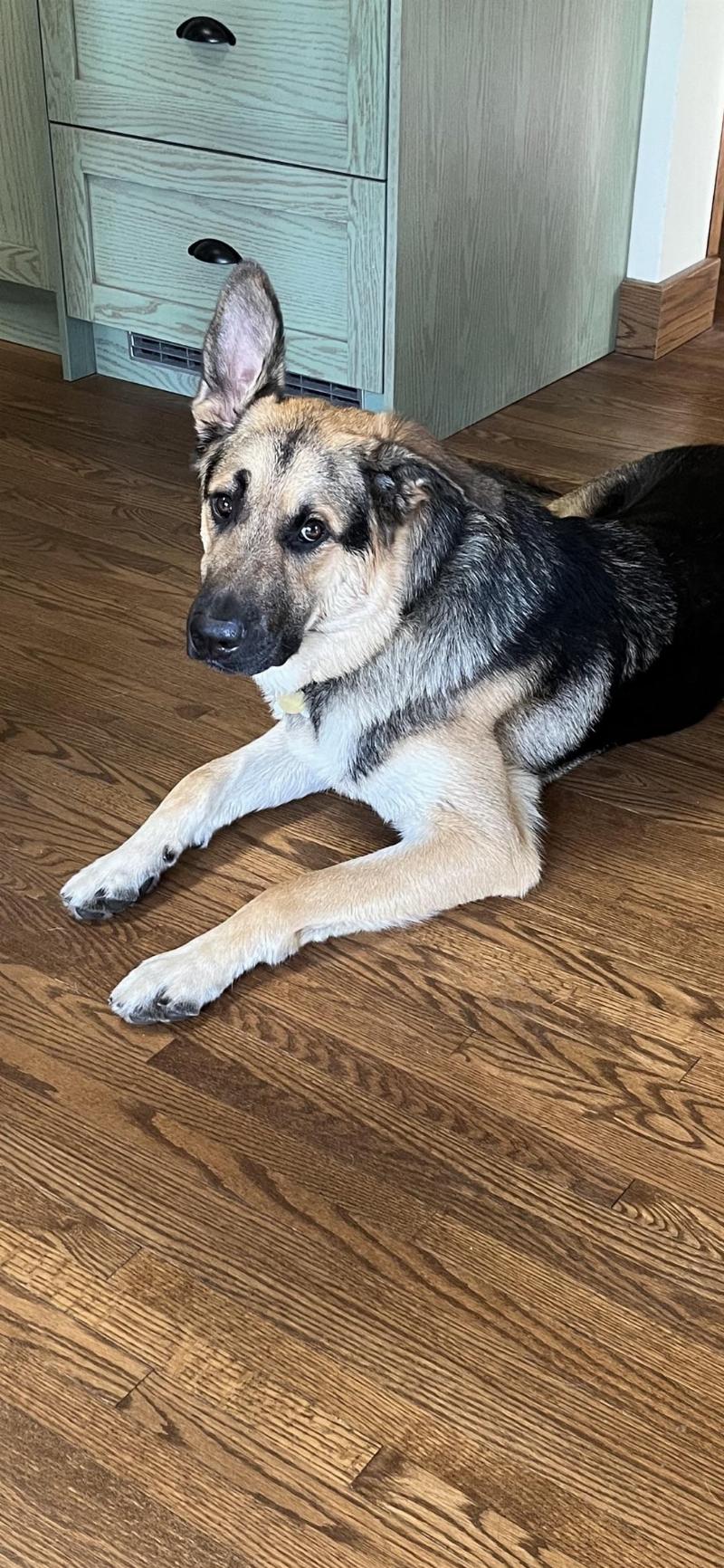 A person using a high-quality brown leather dog training leash to walk a German Shepherd in a park, demonstrating control and comfort.
Choosing the Right Leather Dog Training Leash
Not all leather leashes are created equal. Making the right choice depends on your dog’s size, your training goals, and the type of leather and hardware used.
Understanding Length and Width
The dimensions of your leash are critical for its function. Here’s a general guide:
- Standard Length (6 feet): This is the most versatile length and is ideal for daily walks, obedience training, and giving your dog enough room to explore while remaining safely under your control. It’s the perfect balance of freedom and management.
- Shorter Length (4 feet): A 4-foot leash is excellent for training in high-traffic areas, such as busy city streets or veterinary clinics. It keeps your dog closer to you, providing maximum control. Many trainers use this length for heelwork.
- Long Lines (15-30 feet): These are specialized tools for recall training (teaching your dog to come when called) or tracking work. They allow the dog to feel “off-leash” while you maintain ultimate control.
The width of the leash should correspond to your dog’s size and strength:
- 1/2 inch: Suitable for small dogs and puppies.
- 5/8 to 3/4 inch: A great all-purpose width for medium to large dogs.
- 1 inch: Recommended for very large or powerful breeds that require maximum strength.
Types of Leather and Hardware
The quality of the materials will determine the leash’s lifespan and performance.
- Full-Grain Leather: This is the highest quality leather, made from the top layer of the hide. It retains its natural markings and is incredibly strong and durable.
- Latigo Leather: This is a popular choice for dog leashes as it’s treated with oils and waxes, making it exceptionally durable and weather-resistant.
- Hardware: Look for solid brass or stainless steel hardware (the clasp and any rings). These materials resist rust and corrosion and are strong enough to withstand thousands of pounds of pressure without breaking. Avoid cheap, plated metals that can weaken over time. When you invest in quality materials, you’re not just buying a leash; you’re also investing in the right tools, which can include various pieces of outdoor dog training equipment.
How to Care for Your Leather Leash
A leather leash is an investment, and like any quality leather product, it requires some basic care to maintain its strength and suppleness. A well-maintained leash will serve you and your dog for years.
Breaking in a New Leash
A new leather dog training leash can feel a bit stiff at first. The best way to break it in is simply to use it. The natural oils from your hands, combined with regular use, will soften the leather over time. You can expedite this process by gently rolling and flexing the leash back and forth in your hands.
Cleaning and Conditioning
It’s inevitable that your leash will get dirty. Here’s a simple cleaning process:
- Wipe Down: Use a damp cloth to wipe away any dirt or mud. Avoid using harsh soaps or detergents, which can strip the leather of its natural oils.
- Use a Leather Cleaner: For tougher grime, use a cleaner specifically designed for leather, like saddle soap. Apply a small amount with a soft cloth, work it into a lather, and then wipe it clean.
- Air Dry: Never use a heat source like a hairdryer to dry your leather leash. Let it air dry naturally, away from direct sunlight.
- Condition: Once the leash is dry, apply a quality leather conditioner. This replenishes the oils in the leather, keeping it soft, flexible, and water-resistant. Work a small amount into the leash with your fingers or a soft cloth, let it sit for a few minutes, and then buff off any excess. Conditioning should be done every few months or whenever the leather starts to feel dry.
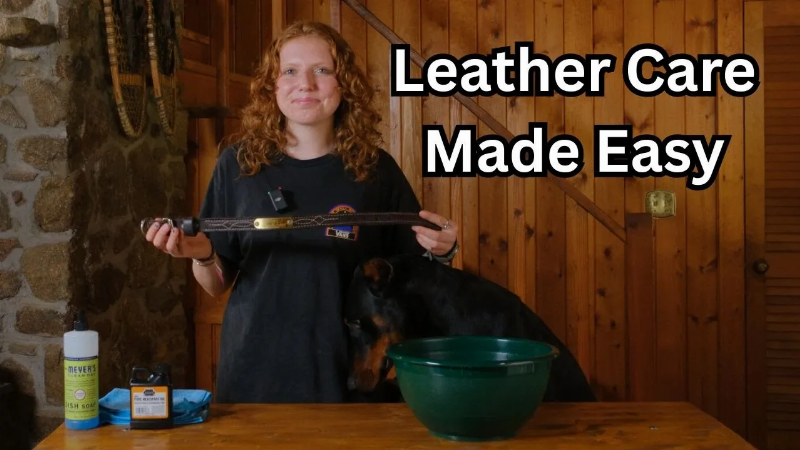 A step-by-step visual of how to clean and condition a leather dog training leash for longevity.
Proper care ensures your leash remains a reliable tool. Choosing the best dog training leash for your needs is the first step, and maintaining it is the key to unlocking its full potential and longevity.
Frequently Asked Questions (FAQ)
Can a leather dog leash get wet?
Yes, a leather leash can get wet, but it’s important to care for it afterward. If your leash gets soaked, allow it to air dry completely (away from direct heat) and then apply a leather conditioner to restore its oils and prevent it from becoming stiff or brittle.
How do I soften a stiff leather leash?
The best way is through regular use. The oils from your hands and the constant flexing will naturally soften it. You can also apply a high-quality leather conditioner or mink oil and work it into the fibers by bending and rolling the leash.
Is a leather leash good for a dog that chews?
No leash is completely chew-proof. While leather is very durable, a determined chewer can still damage it. It’s important to teach your dog not to chew on their leash and never leave them unattended with it.
Why are leather leashes more expensive than nylon ones?
The higher cost reflects the quality of the materials and the craftsmanship involved. Full-grain leather is a premium material, and creating a durable, well-finished leash takes more time and skill than mass-producing a nylon one. It’s an investment in a tool that will last for many years.
What is the best length for a leather training leash?
A 6-foot leash is widely considered the most versatile and effective length for general obedience training and daily walks. It provides enough slack for the dog to move comfortably but is short enough for the handler to maintain control and provide quick, clear corrections. Effective dog training leash walking often starts with this standard length.
The Final Word on Leather Leashes
Choosing a leather dog training leash is about more than just style; it’s a commitment to quality, communication, and a better walking and training experience for both you and your dog. Its durability ensures safety, its comfort encourages longer and more enjoyable sessions, and its unique feel fosters a connection that synthetic materials simply can’t replicate. By selecting the right size, caring for it properly, and using it consistently, you are investing in one of the most fundamental and rewarding aspects of your relationship with your canine partner.
