
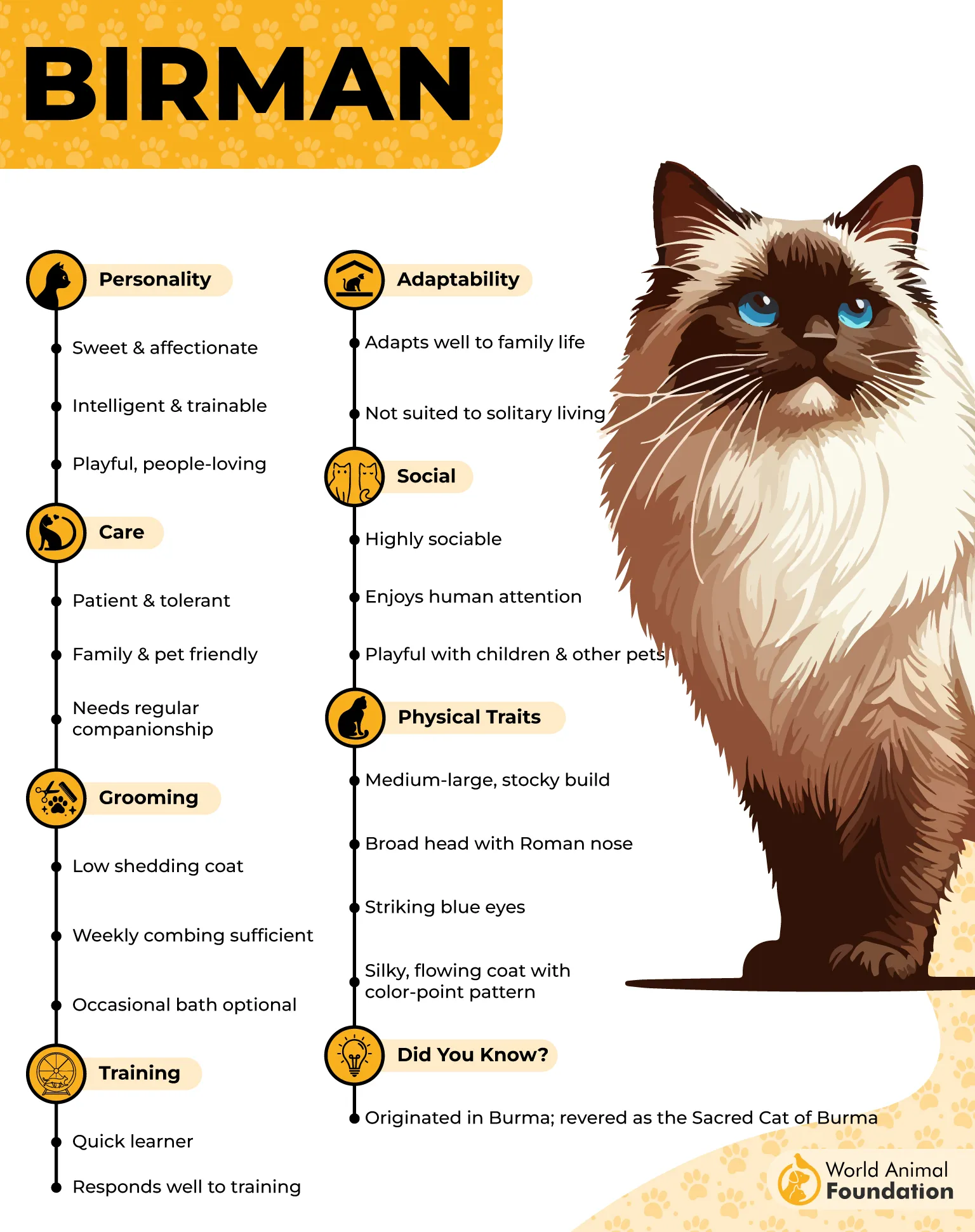
The average cat enjoys a significant amount of rest, with many feline friends sleeping up to 15 hours a day. However, some breeds are particularly known for their calm and unhurried nature, earning them the title of “Lazy Cat Breeds.” If you’re seeking a furry companion that embraces tranquility, understanding these breeds can help you find the perfect match. This guide explores five cat breeds renowned for their laid-back dispositions, offering insights into their characteristics, grooming needs, and historical background.
Persian Cats: The Epitome of Calm
Often described as “furniture with fur,” Persian cats are characterized by their long periods of inactivity. They possess a sweet, gentle temperament and thrive in serene environments, showing little inclination for energetic play or toy chasing. Nevertheless, daily interactive exercise is still recommended to maintain their health. The Persian’s defining feature, its long, luxurious coat, requires diligent daily grooming to prevent matting and tangles. Additionally, their flat faces, a brachycephalic trait, can predispose them to breathing difficulties and respiratory issues. These cats are believed to have originated in Persia (modern-day Iran) and Turkey, potentially evolving from a cross between Turkish Angora cats and other Asian longhair breeds. Their popularity surged in the 17th century when an Italian traveler introduced them to Europe, further cemented by Queen Victoria’s fondness for the breed in the early 1900s, elevating their status to one of royalty.
Himalayan Cats: A Blend of Elegance and Serenity
The Himalayan cat is a captivating hybrid, resulting from the crossbreeding of Persian and Siamese cats. This breed exhibits a docile and affectionate nature, typically reserving their attention for their immediate family. They are content to lounge on laps or find a comfortable spot on the floor, rarely seeking elevated perches. Much like other breeds known for their relaxed demeanor, Himalayans appreciate a quiet and predictable routine. Their lineage, established in the 1920s, aimed to combine the luxurious long fur of the Persian with the distinct colorpoint markings of the Siamese. This unique combination results in an elegant appearance but necessitates high-maintenance grooming. Their fine, silky hair is prone to matting and tangling, making daily combing with a wide-toothed comb essential for maintaining softness, cleanliness, and preventing dirt accumulation.
Exotic Shorthair Cats: Affectionate and Easygoing
While perhaps more animated than some of the other exceptionally sedentary breeds, Exotic Shorthair cats inherit many desirable traits from their Persian ancestors, including a sweet, quiet, loyal, and affectionate disposition. Though they may not embody the extreme inactivity of the Persian, they readily engage in leisurely activities alongside their owners. Bred in the U.S. during the 1950s and 60s, the goal was to create a cat with the Persian’s gentle temperament but with a more manageable short coat. This was achieved by crossbreeding Persian cats with American Shorthairs, producing kittens with characteristic round faces, short snouts, and large eyes. Subsequent breeding of these kittens with Persians resulted in the development of the Exotic Shorthair, a breed cherished for its affectionate nature and easygoing personality.
Selkirk Rex Cats: Cuddly Companions with a Curly Coat
Among the various Rex cat breeds, the Selkirk Rex stands out for its exceptionally easygoing temperament. These cats are known for being cuddly and occasionally playful, but they truly excel at relaxation. Their distinctive curly coat adds to their charm, often making them resemble living teddy bears. While Selkirk Rexes enjoy a good play session, they are not the type to demand constant attention or actively solicit play. Their laid-back nature means they don’t require extensive exercise, making them an ideal choice for individuals seeking a cat that prefers quiet evenings and a relaxed lifestyle. The breed was first identified in the U.S. in the late 1980s and, through crossbreeding with Persians, Exotic Shorthairs, and British Shorthairs, has developed snubbed noses and large, circular eyes. Their coats, whether long and woolly or short and soft, are a standout feature, with even their whiskers possessing a unique curl. A fascinating aspect of Selkirk Rex litters is the possibility of both curly-coated and straight-haired kittens; the curly coats may initially shed but typically return and become more pronounced with age.
British Shorthair Cats: Mellow and Loyal
Historically, British Shorthair cats were recognized for their prowess as efficient hunters and mousers on English farms. Today, this mellow and easygoing breed is more inclined to lounge by the fireplace or snuggle with their human companions than to engage in vigorous activity. British Shorthairs are loyal and devoted pets that prefer to observe from a comfortable distance and seek attention on their own terms. They are not fond of being smothered and tend to respect individuals who understand and appreciate their calm demeanor. The breed’s origins are diverse, tracing back to domesticated cats brought to Britain by the Romans to control pests on ships. These cats interbred with European wildcats, resulting in a lineage of adept hunters with thick, short fur suited for various climates, coupled with a sociable and friendly disposition. British Shorthairs are identifiable by their dense coats, which come in numerous colors, with the “British Blue” being particularly well-known. Their short, sturdy legs provide excellent balance, and they are further distinguished by their round heads and characteristically chubby cheeks.
When Laziness Becomes a Concern
Understanding your cat’s typical sleep patterns is crucial for monitoring their overall health and happiness. Most cats are crepuscular, meaning they are most active during dawn and dusk, rather than being strictly nocturnal. If your cat exhibits excessive lethargy during these active periods, shows disinterest in food or treats, or consistently hides, it may be an indicator to consult a veterinarian. Moreover, extreme inactivity can contribute to feline obesity, increasing the risk of serious health issues such as diabetes, osteoarthritis, urinary problems, and heart disease. Even with naturally lazy breeds, incorporating 5-10 minutes of daily play using interactive toys like laser pointers or feather wands can encourage necessary physical activity. If you’re considering multiple feline companions, regardless of their energy levels, familiarizing yourself with strategies for managing multi-cat households is advisable.
