
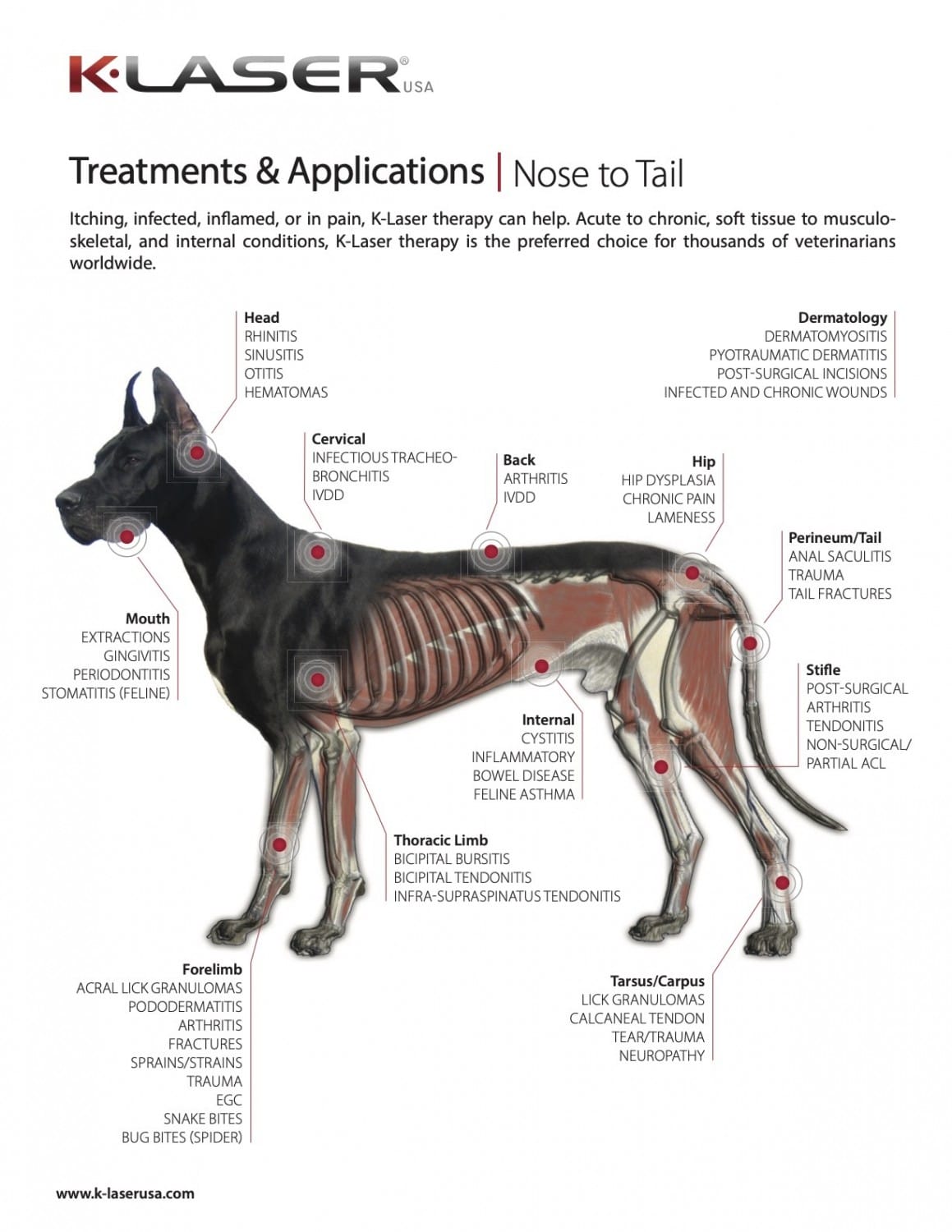
Laser therapy offers a non-invasive and highly effective method for improving your pet’s health and well-being. By utilizing specific wavelengths of light, this advanced treatment can significantly reduce pain, accelerate healing, decrease inflammation, and boost circulation. This innovative approach to pet care is gaining popularity among veterinarians and pet owners alike for its remarkable benefits and lack of side effects.
Understanding Laser Therapy
What is Laser Therapy?
Laser therapy, also known as photobiomodulation, is a veterinary treatment that employs specific wavelengths of light to elicit a therapeutic response within the body. The core principle involves using light energy to stimulate cellular activity, leading to a cascade of beneficial effects. These effects include enhanced healing, effective pain reduction, improved blood flow, and diminished inflammation, all contributing to a better quality of life for your animal companion.
How Does Laser Therapy Work?
The mechanism behind laser therapy is quite fascinating. The laser emits photons, which are essentially packets of light energy. These photons penetrate deep into the affected tissues without causing any damage. Once inside the cells, specifically within the mitochondria, these photons are absorbed, triggering a biochemical process called photo-biomodulation. This process stimulates the cells to produce Adenosine Triphosphate (ATP), the primary energy currency for all cells. Injured or compromised cells often struggle to produce ATP at an optimal rate. By increasing ATP production, laser therapy empowers the cells with the necessary fuel to repair themselves, rejuvenating tissues and promoting overall health in animals.
What Are the Benefits of Laser Therapy?
The advantages of therapeutic laser treatments for pets are extensive and well-documented. Key benefits include:
- Pain Relief: Effectively manages both acute and chronic pain.
- Inflammation Reduction: Decreases swelling and inflammation in affected areas.
- Accelerated Tissue Healing: Promotes faster repair of damaged tissues.
- Improved Blood Circulation: Enhances blood flow to aid in healing and reduce recovery time.
- Reduced Scar Tissue Formation: Minimizes the development of fibrous tissue, leading to better functional outcomes.
- Enhanced Nerve Function: Supports nerve regeneration and function.
- Accelerated Wound Healing: Speeds up the recovery process for cuts, abrasions, and surgical incisions.
- Acupuncture Point Stimulation: Can be used to stimulate acupuncture points for a holistic approach to healing.
Crucially, all these benefits are achieved without any adverse side effects, making it a safe option for most pets. The ability to use laser therapy alongside other treatments also makes it a versatile addition to a comprehensive veterinary care plan. Many of these benefits can be further supported by understanding the best flea and tick medicine for dogs without vet prescription to ensure overall health.
The Treatment Experience
What Can I Expect During Treatment?
During a laser therapy session, a veterinarian or trained technician will use a non-invasive, handheld device to direct the laser light onto the affected area. The device is kept in constant motion over the treatment zone to ensure an appropriate and consistent dosage of laser energy is delivered. Your pet will experience a gentle, soothing warmth during the procedure. Many animals find the sensation relaxing, often displaying a state of calm akin to what humans experience during a massage. The pain relief provided by the laser typically allows pets to become comfortable quickly, and any initial anxiety usually dissipates.
What Can I Expect After Laser Treatment?
Following a laser therapy session, you might observe a change in your pet’s activity level. Some pets may exhibit increased energy and enthusiasm, while others might appear more relaxed. This is a direct result of the pain relief and reduced inflammation achieved through the treatment. The ability to move more freely and comfortably can significantly impact a pet’s daily life, allowing them to enjoy activities they may have previously avoided due to discomfort.
Treatment Protocol and Costs
How Often Should a Patient Receive Laser Therapy?
The frequency of laser therapy sessions is tailored to the specific condition being treated. For chronic issues, treatments are typically administered two to three times per week. As your pet shows improvement, the frequency will be gradually reduced to once every week or two for maintenance. Acute conditions, especially those accompanied by significant pain, may require daily treatments to manage symptoms effectively and promote rapid healing.
How Many Treatments Does It Take?
The total number of laser therapy sessions required varies depending on the nature and severity of the condition. Some pets may experience noticeable results after just one treatment, particularly for acute issues. However, chronic conditions might necessitate a series of treatments, often around six sessions, before a tapering to a less frequent maintenance schedule is recommended. Each pet’s treatment plan is individualized to meet their unique needs.
How Long Does It Take Before Results Are Felt/Seen?
Many pet owners report seeing immediate relief after the first laser treatment, often noticeable as reduced pain and inflammation. For instance, pets with joint issues might show improved mobility, skin conditions may begin to clear and heal, wounds and surgical incisions can display faster healing, or your pet might simply seem more content and comfortable overall. However, for more severe or complex conditions, a series of treatments may be essential before visible results emerge. It’s important to remember that each pet responds differently, and treatment plans are customized accordingly. The overall health of your pet, including protection from parasites, is also vital; ensuring they are up-to-date on anti flea and tick medicine for dogs can complement their recovery.
Can Laser Therapy Be Used With Other Treatments?
Absolutely. Laser therapy is highly compatible and frequently used in conjunction with other therapeutic modalities. This includes pain medications, chiropractic adjustments, therapeutic massage, and electrotherapy. It is also commonly employed as part of post-operative care following surgery and dental procedures to enhance healing and manage pain. This multimodal approach often leads to more comprehensive and faster recovery outcomes. For comprehensive parasite prevention, consider exploring heartworm pills for dogs.
What Does Laser Therapy Cost?
The cost of therapeutic laser treatments can vary depending on the specific type of treatment being administered and the duration of each session. Your veterinarian will discuss the associated costs during your consultation, providing a clear breakdown based on your pet’s individual needs and treatment plan. Exploring options for discount dog flea and tick treatment can help manage overall pet care expenses.
Laser therapy represents a significant advancement in veterinary medicine, offering a safe, effective, and non-invasive way to address a wide range of conditions in pets. By understanding how it works and what to expect, pet owners can make informed decisions about incorporating this beneficial therapy into their pet’s healthcare routine. If you are considering treatment for your large breed dog, you might also want to look into the best flea and tick meds for large dogs.
