
Bringing a larger feline friend into your home can be an incredibly rewarding experience. While the average house cat typically weighs between 8 to 12 pounds, certain breeds are known for their impressive size, with some reaching up to 25 pounds. These gentle giants, often referred to as “big cat breeds,” require specific considerations, from extra-sturdy cat furniture to carefully managed diets to prevent unhealthy weight gain. This guide explores 10 of the most prominent big domestic cat breeds, highlighting their unique characteristics and care needs.
Understanding Big Cat Breeds
The allure of a larger cat goes beyond just more to cuddle. Breeds like the Maine Coon and Norwegian Forest Cat are renowned for their substantial build, often exceeding the typical weight range by a significant margin. While their size is a defining feature, it also necessitates a thoughtful approach to their environment and well-being. Providing robust scratching posts, spacious litter boxes, and elevated resting spots is crucial for their comfort and activity levels. Furthermore, maintaining a healthy weight is paramount, as obesity can predispose even large breeds to health issues such as hip dysplasia and arthritis.
Exploring the Top 10 Big Domestic Cat Breeds
1. Maine Coon
With weights ranging from 8 to 18 pounds, the Maine Coon is a quintessential big domestic cat breed. Celebrated for their friendly, laid-back demeanor, they are often considered ideal family pets. Their substantial size means they benefit greatly from spacious litter boxes and heavy-duty scratching posts. A key health consideration for Maine Coons is their predisposition to hip dysplasia, making regular veterinary check-ups and potential joint supplements important for maintaining their mobility.
2. Norwegian Forest Cat
The Norwegian Forest Cat, or Wegie, lives up to its impressive appearance, typically weighing between 12 and 16 pounds. These natural climbers thrive with supportive cat trees and perches that cater to their arboreal nature. While generally healthy, their large frame can make them susceptible to hip dysplasia and arthritis, underscoring the importance of weight management for this fluffy cat breed.
3. Siberian
Hailing from Russia, the Siberian is a big cat breed characterized by its luxurious triple coat and striking eyes, weighing between 12 and 15 pounds. These cats mature slowly, reaching their full size around five years of age. Their tendency towards cuddling over vigorous play can put them at risk of obesity. Encouraging daily playtime, perhaps even leash training, and consistent weight monitoring are vital for their long-term health.
4. Bengal
The Bengal, weighing 8 to 15 pounds, boasts the exotic looks and athletic capabilities reminiscent of a leopard. While they enjoy naps, their highly active nature demands ample vertical space for jumping and climbing. To satisfy their innate hunting instincts and keep them mentally stimulated, puzzle feeders and treat-dispensing toys are highly recommended for this breed.
5. Savannah
With a weight range of 12 to 25 pounds, the Savannah cat, a hybrid of an African Serval and a domestic cat, possesses a sweet temperament and boundless energy. Their exceptional jumping ability, reaching up to 8 feet, necessitates durable cat trees and secure shelving for safe exploration.
6. Ragdoll
The Ragdoll, weighing 10 to 20 pounds, is as endearing as it is large. Reaching full maturity around age 4, their naturally relaxed disposition can contribute to weight gain. Regular playtime and portion control are crucial to prevent obesity and associated arthritis. Engaging them with games like fetch or clicker training can encourage necessary exercise.
7. RagaMuffin
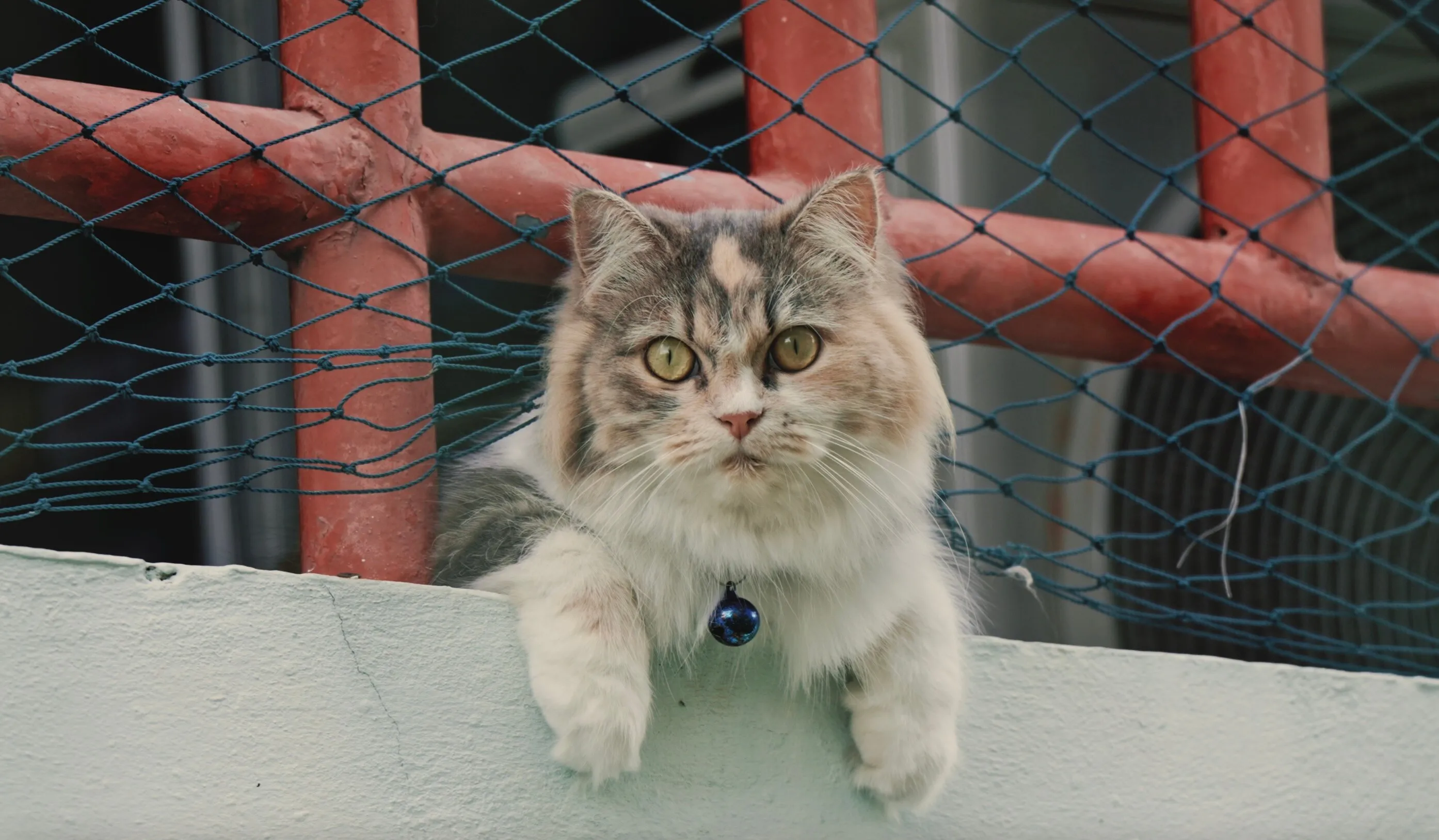 A dilute calico RagaMuffin lounging on a patioSimilar to the Ragdoll, the RagaMuffin (10–20 pounds) matures by age 4 but is inherently big-boned, requiring larger cat supplies like jumbo cat trees and carriers. Maintaining joint health through proper nutrition and exercise is essential, as they can be prone to developing arthritis later in life.
8. American Bobtail
The American Bobtail, weighing 7 to 16 pounds, is named for its distinctive short tail and is known for being affectionate and active. This intelligent breed can learn tricks like leash walking and excels with puzzle feeders. A genetic mutation linked to their shortened tail can predispose them to spinal and hip issues, making an AAFCO-compliant diet critical for maintaining an ideal weight.
9. British Shorthair
The British Shorthair, typically weighing 7 to 17 pounds, has a reputation for a calm and easygoing nature. Since they often prefer lounging to strenuous activity, encouragement to stay active is key. Interactive toys like feather wands and the use of catnip can help promote movement, while careful portion control is vital to prevent weight gain that could strain their joints.
10. Turkish Van
As one of the Largest Domestic Cat breeds, weighing 10 to 20 pounds, Turkish Vans are notable for their size and unusual fondness for water. These active cats require ample enrichment, including tall cat trees, shelves, and scratching posts, to channel their energy constructively. Regular exercise is crucial for preventing weight gain and supporting healthy joints.
Caring for big cat breeds involves understanding their unique needs, from providing appropriate-sized accessories to actively managing their diet and exercise to ensure a long, healthy, and happy life. Consulting with a veterinarian regularly will help tailor a care plan specific to your large feline companion.
