
Choosing the ideal canine companion for your family is a significant decision, especially if you’re seeking a substantial pet but are concerned about shedding. For many, the dream dog is one that combines impressive size with a low-maintenance coat, leading them to search for the “largest dog breed that doesn’t shed.” While the concept of a truly “non-shedding” dog is largely a myth – as all dogs shed at least some hair and dander – many large breeds are known for their remarkably minimal shedding, making them excellent choices for allergy sufferers and those who prefer a cleaner home.
This comprehensive guide from Dog Care Story delves into the world of impressive, low-shedding large dog breeds. We’ll explore their unique characteristics, grooming needs, and why they might be the perfect addition to your household. If you’re ready to welcome a big, lovable companion without the constant battle against dog hair, read on to discover the ideal match for you. For more insights into medium to big dogs that don’t shed, our other guides offer valuable information.
Understanding Dog Shedding and “Hypoallergenic” Dog Breeds
Before we dive into specific breeds, it’s crucial to understand the science behind dog shedding and what “hypoallergenic” truly means in the canine world. Many people mistakenly believe they are allergic to dog fur itself. In reality, allergic reactions are typically triggered by proteins found in a dog’s saliva, urine, and tiny flakes of dead skin called dander. Dander easily clings to a dog’s fur and, when shed, becomes airborne, leading to allergic symptoms in sensitive individuals.
Therefore, even short-coated dogs can pose problems if they produce a significant amount of dander. “Hypoallergenic” dogs are not truly allergen-free; rather, these breeds generally shed less fur and, consequently, distribute less dander into their environment. This reduced spread of allergens makes them a more suitable option for individuals with sensitivities. Understanding this distinction is key to finding the right low-shedding companion.
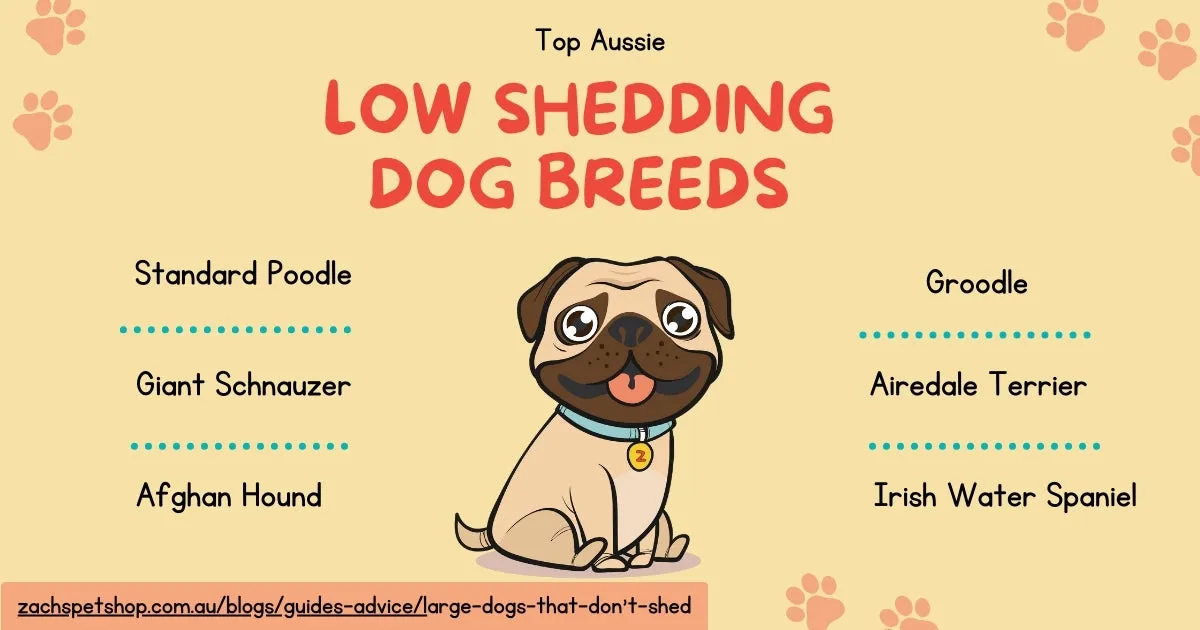 Cartoon illustration of a pug surrounded by text bubbles listing various low-shedding dog breeds, representing options for dog owners.
Why Choose a Large, Low-Shedding Dog?
The appeal of a large dog is undeniable – their imposing presence, gentle nature (often!), and capacity for robust companionship are highly valued. When you combine these traits with minimal shedding, you get a pet that offers the best of both worlds. Here’s why a large, low-shedding dog might be perfect for your family:
- Allergy Management: For families with mild to moderate dog allergies, these breeds significantly reduce the presence of allergens in the home, allowing for a more comfortable shared living space.
- Cleanliness: Less shedding means less dog hair on furniture, carpets, and clothes. This translates to less frequent vacuuming and a generally tidier living environment.
- Grooming Routine: While low-shedding coats still require regular grooming, this often involves brushing to prevent matting rather than daily sweeping up loose fur.
- Presence and Protection: Large dogs often offer a sense of security and make wonderful, stable family members, many known for their calm and protective instincts.
Exploring breeds that are both substantial in size and light on shedding can open up a world of possibilities for prospective owners. If you’re considering a big dog that integrates seamlessly into your life, prioritizing low-shedding coats is a smart move. Our article on large family dogs that don’t shed delves deeper into family-friendly options.
Top Large Dog Breeds That Don’t Shed Minimally
Let’s explore some of the most notable large dog breeds that shed minimally. Each of these breeds offers unique traits, but they all share the desirable characteristic of a low-shedding coat, making them excellent candidates for your search for the largest dog breed that doesn’t shed.
Standard Poodle
Often considered the quintessential “hypoallergenic” breed, the Standard Poodle is not only highly intelligent and elegant but also holds a top spot among the largest dog breeds that don’t shed. Ranging from 45 to 60 pounds and standing over 15 inches tall, their distinct single-layered coat continuously grows rather than sheds. This dense, curly coat traps dander and loose hair, preventing it from spreading around your home.
Standard Poodles are renowned for their trainability, agility, and playful nature, making them excellent family pets. However, their unique coat demands consistent care. Regular professional grooming, typically every 4-6 weeks, is essential to prevent matting and keep their fur healthy and manageable. Between professional appointments, daily brushing at home is recommended.
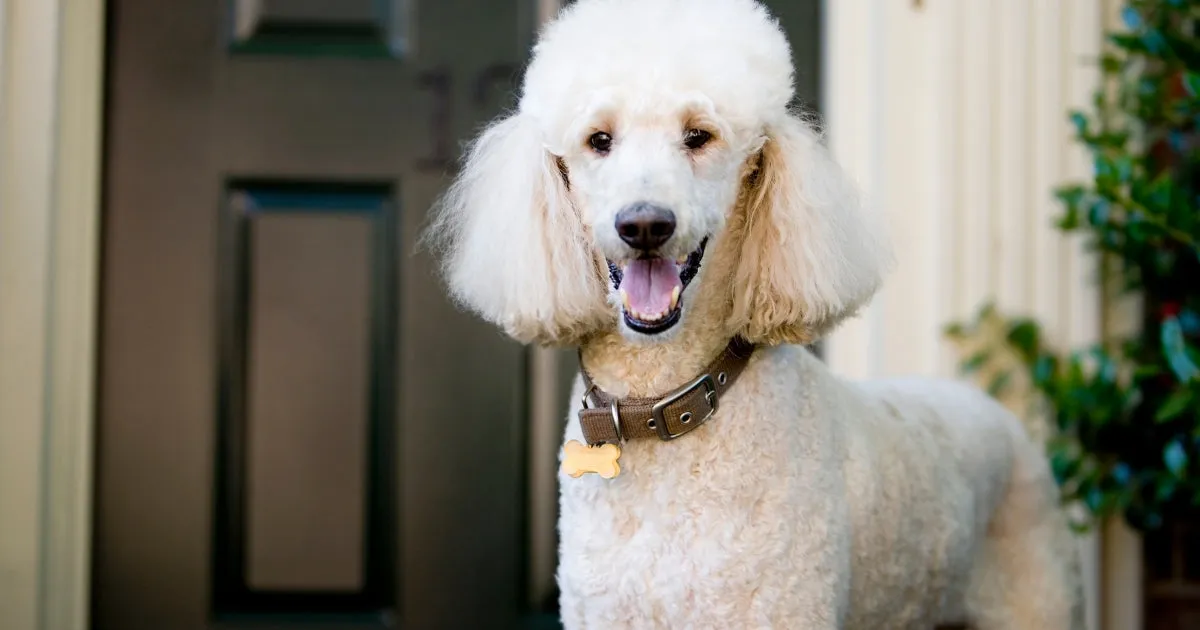 A happy white Standard Poodle stands gracefully, facing the camera with its tongue slightly out.
Giant Schnauzer
If you’re seeking a protective, intelligent, and imposing companion, the Giant Schnauzer makes an excellent choice for a large dog that doesn’t shed extensively. These powerful dogs typically weigh between 55 to 85 pounds and stand 23-27 inches tall. They possess a distinctive wiry, dense double coat, but their shedding is surprisingly minimal, especially compared to other double-coated breeds.
Giant Schnauzers are known for their alert nature, strong loyalty, and suitability as guard dogs. They require consistent training and socialization from an early age due to their strong will and protective instincts. Their wiry coat needs regular maintenance, including hand-stripping or clipping every few months to remove dead hair and maintain its texture. Daily brushing is also crucial to prevent mats and keep their distinguished beard and eyebrows clean.
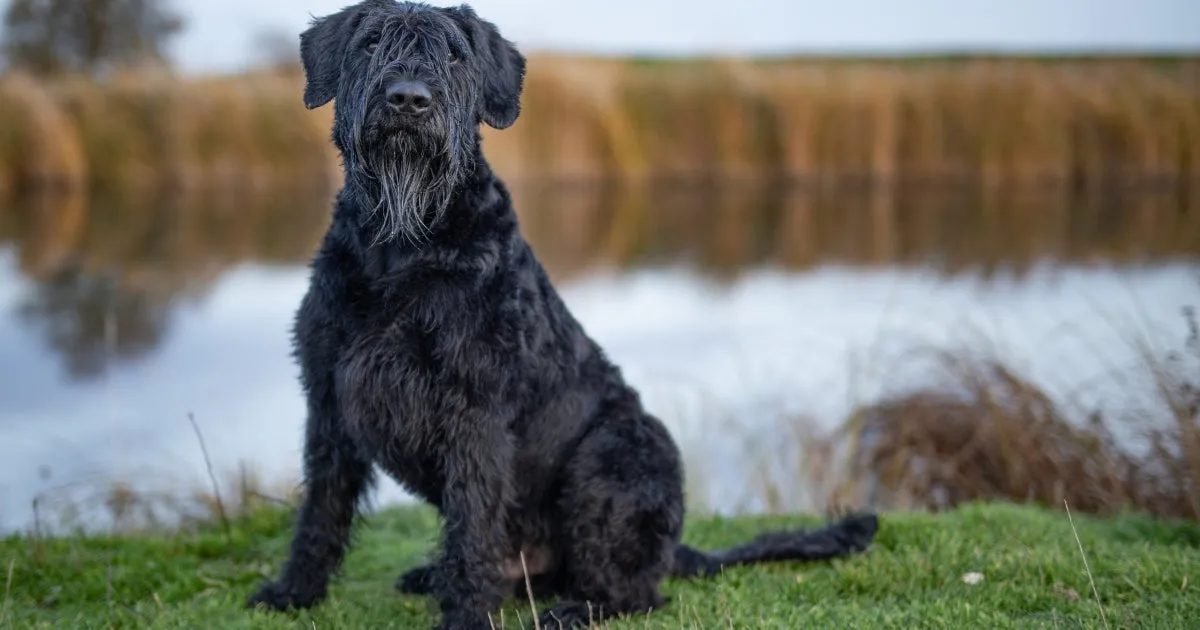 A majestic black Giant Schnauzer stands poised next to a tranquil lake.
Airedale Terrier
Dubbed the “King of Terriers,” the Airedale Terrier is indeed the largest of the terrier breeds, typically weighing 45-70 pounds and standing around 23 inches tall. With its confident demeanor and boundless energy, the Airedale is a fantastic option for active families looking for a large dog that doesn’t shed excessively. Their wiry, dense coat is the key to their low-shedding reputation.
Airedales are intelligent, spirited, and playful, requiring plenty of physical and mental stimulation. Their coat requires regular attention; hand-stripping every few months is ideal to maintain the coat’s texture and minimize shedding, though clipping is also an option. Weekly brushing helps to remove loose hair and prevent tangles. Their independent streak means consistent training is a must.
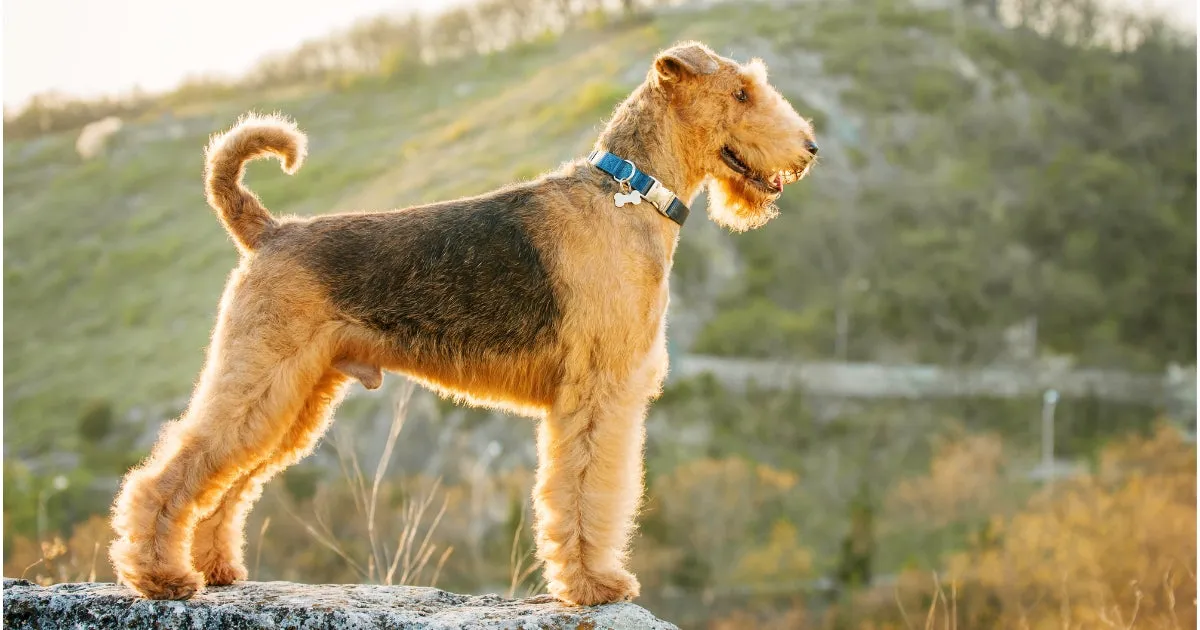 A distinguished brown and black Airedale Terrier with a characteristic square head stands profiled against a mountainous landscape.
Groodle (Goldendoodle)
The Groodle, or Goldendoodle, is a popular designer breed resulting from a cross between a Golden Retriever and a Poodle. While their size can vary widely depending on the Poodle parent (miniature, medium, or standard), many Groodles grow into large dogs, making them strong contenders for the title of “largest dog breed that doesn’t shed.” Their coats are often wavy or curly, inherited from the Poodle, and are known for being low-shedding and more allergy-friendly.
Groodles are celebrated for their friendly, intelligent, and affectionate nature, making them wonderful family pets. They are generally adaptable and eager to please. Their continuously growing coat requires regular grooming, including brushing several times a week to prevent mats and tangles, and professional trims every 6-8 weeks. The exact grooming needs will depend on the coat type (fleece, wool, or hair). For more options, explore our guide on top 10 dog breeds that don’t shed.
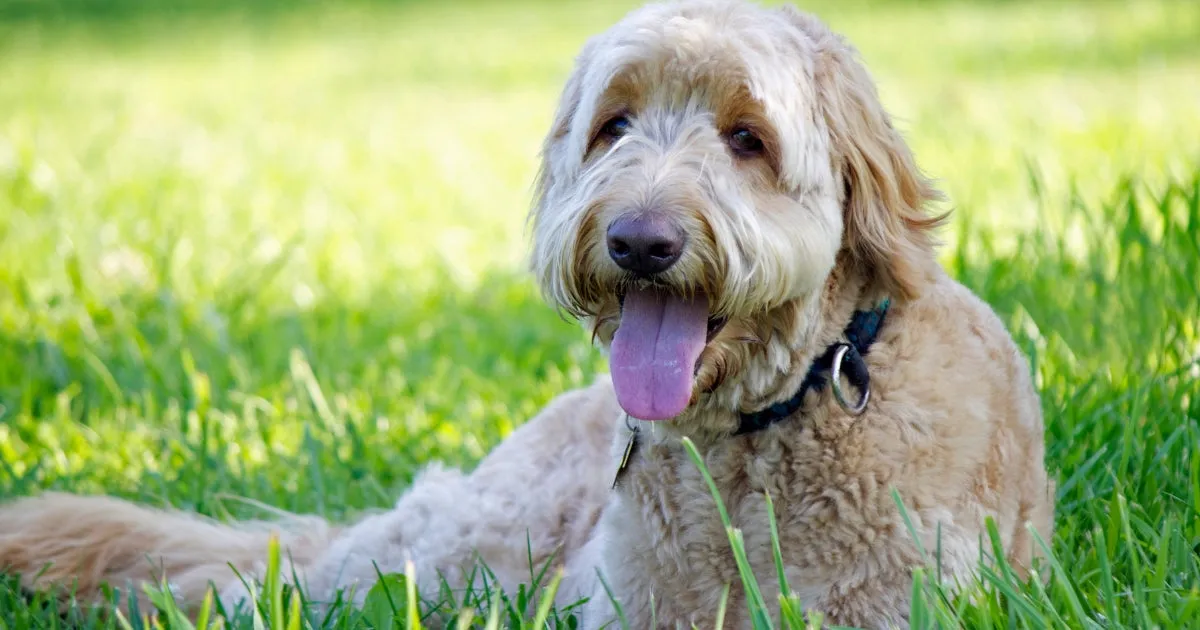 An adorable apricot-colored Groodle, resembling a teddy bear, lies in green grass with its tongue playfully out.
Afghan Hound
With its majestic, long, flowing coat, the Afghan Hound might initially seem like an unlikely candidate for a low-shedding breed. However, beneath that luxurious appearance lies a single-layered coat that actually sheds less than many might assume. Weighing 50-60 pounds and standing 25-27 inches tall, these elegant dogs make a striking statement.
Afghan Hounds are known for their aristocratic demeanor, independence, and sometimes aloof nature. While they shed minimally, their extensive coat demands a serious commitment to grooming. Daily brushing is absolutely essential to prevent severe matting, and regular baths are needed to keep their coat clean and healthy. Despite the high grooming needs, their minimal shedding makes them a consideration for those concerned about hair on clothes and furniture.
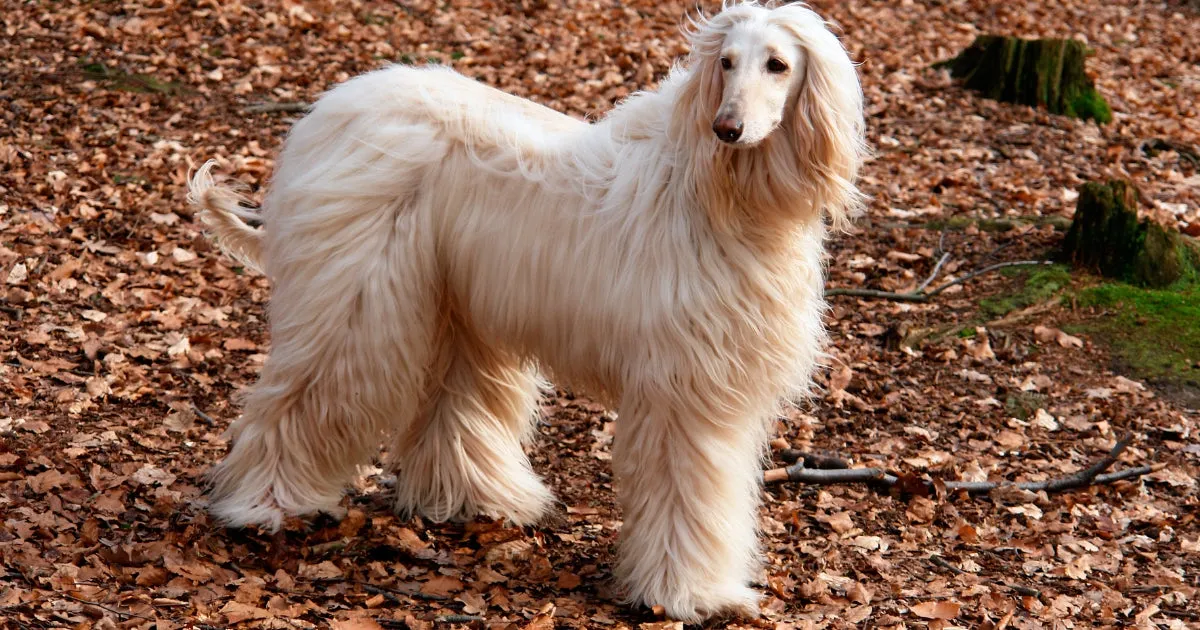 A serene beige Afghan Hound with its characteristic long, flowing hair gracefully draped.
Irish Water Spaniel
The Irish Water Spaniel is an energetic, intelligent, and somewhat clownish breed known for its distinctive tightly curled, liver-colored coat. Typically weighing 55-68 pounds and standing 21-24 inches tall, their water-resistant, dense coat sheds minimally, making them a good choice for those seeking a large dog that doesn’t shed much.
These spaniels are enthusiastic swimmers and thrive in active families who can provide plenty of exercise and mental stimulation. They are playful and generally good with children. Their unique coat requires regular grooming to prevent matting, including weekly brushing and professional trimming every 6-8 weeks. Special attention should be paid to their ears and tail, which have longer hair.
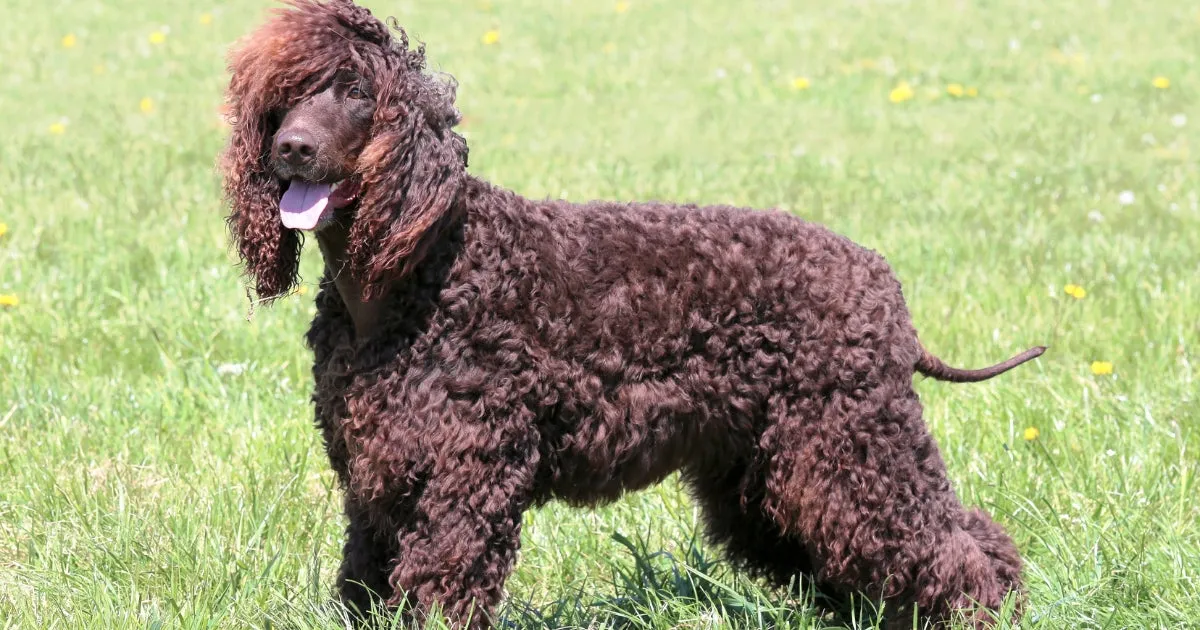 A brown Irish Water Spaniel with its curly, dense fur, characteristic of the breed.
Lagotto Romagnolo
The Lagotto Romagnolo is an ancient Italian breed originally prized for its truffle-hunting abilities. While often described as a medium-sized dog, many individuals fall into the larger end of the spectrum, weighing 24-35 pounds and standing 16-19 inches, offering a robust presence while maintaining a low-shedding coat. Their dense, curly, woolly coat is virtually non-shedding, similar to a Poodle’s.
Known for their affectionate and loyal temperament, Lagottos make excellent family companions, possessing a keen intelligence and an eagerness to please. They are energetic and enjoy outdoor activities, especially anything involving digging or sniffing. Their coat requires regular grooming, including frequent brushing to prevent matting and periodic professional clipping every 2-3 months to keep it manageable.
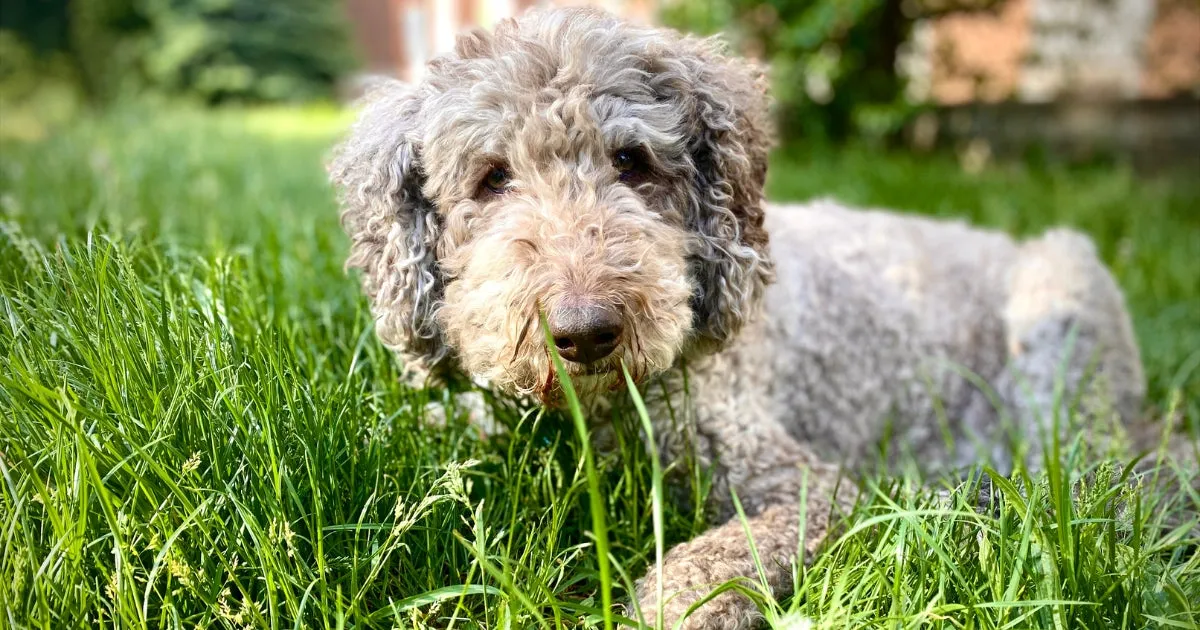 A grey and brown Lagotto Romagnolo with its characteristic dense, curly coat, resting on green grass.
Portuguese Water Dog
The Portuguese Water Dog is a robust, highly intelligent, and vivacious breed that has gained popularity for its loyal nature and unique coat. Weighing 40-60 pounds and standing 17-23 inches tall, they are a fantastic option for active families, especially those who love water activities. Their non-shedding, hypoallergenic coat grows continuously, making them ideal for allergy-sensitive households.
Portuguese Water Dogs are highly trainable and thrive on mental stimulation and physical activity. They are playful and form strong bonds with their families. Their coat can be either wavy or curly and requires regular grooming to prevent matting. This includes brushing several times a week and professional clipping every 6-8 weeks, often into specific “retriever” or “lion” cuts.
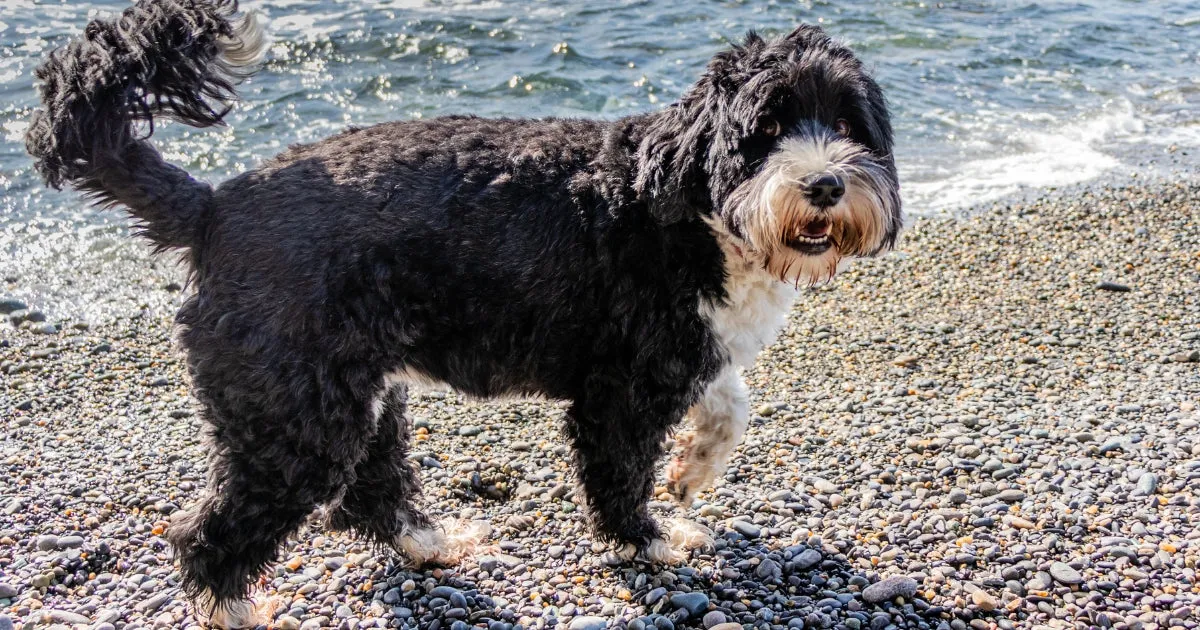 A black curly dog, identified as a Portuguese Water Dog, with a white chest and beard, walking along the water's edge.
Komondor
Perhaps one of the most visually distinctive dogs on this list, the Komondor is a large, powerful Hungarian Sheepdog renowned for its unique, heavy, corded coat. These impressive guardians typically weigh 80-100 pounds or more and stand over 25 inches tall, making them a strong candidate for the largest dog breed that doesn’t shed. While virtually non-shedding, their coat is certainly not low-maintenance.
The Komondor’s corded coat, which provides excellent protection against harsh weather and predators, requires significant and specialized grooming to maintain its texture and prevent matting. Cords must be separated regularly by hand, and careful bathing and drying are essential. This big dog is naturally protective and loyal, making it an excellent guardian for livestock or a devoted family companion with proper training and socialization.
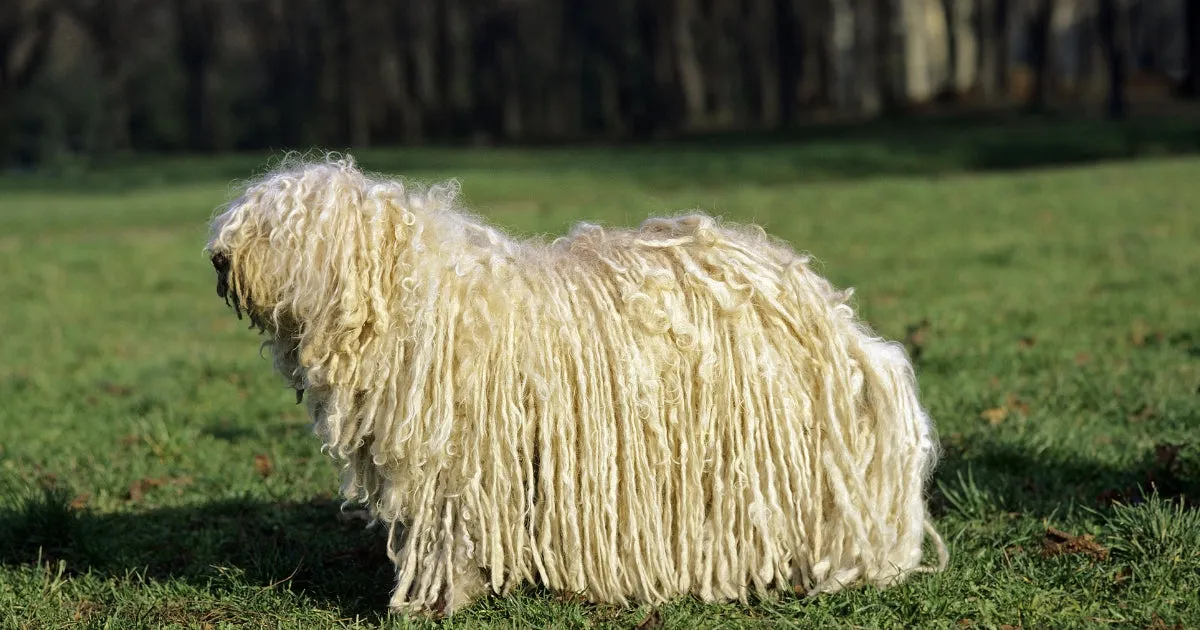 A distinctive Komondor dog with its characteristic heavy, white, corded coat.
Peruvian Inca Orchid
The Peruvian Inca Orchid is a rare and elegant breed that comes in three sizes (small, medium, and large), with the large variety weighing up to 55 pounds and standing 20-26 inches tall. It is generally low-shedding, especially the hairless variety, which requires minimal grooming but special skin care. The coated variety has a short, smooth coat that sheds very little.
This affectionate and agile breed thrives in active homes with attentive care. While the hairless variety is often sought after for its low allergen qualities, its skin needs protection from harsh weather, sun, and cold. Regular moisturizing and sunscreen are often necessary. The coated variety requires only occasional brushing. Both types are loyal and active, making wonderful companions.
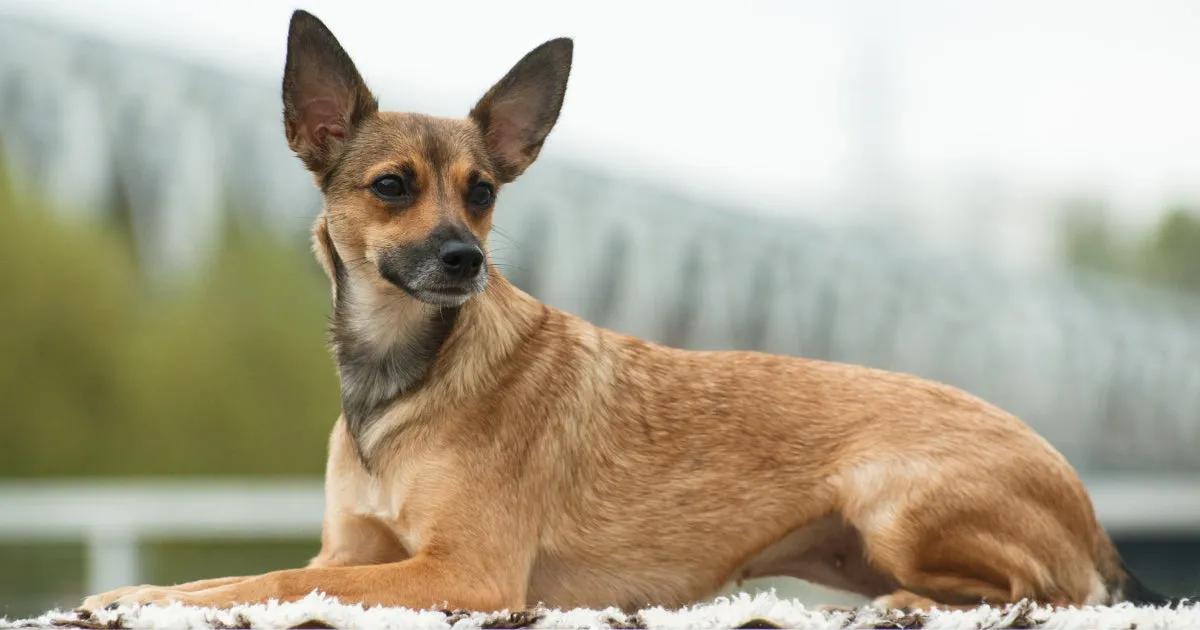 A short-haired, smooth brown-coated Peruvian Inca Orchid dog with large, pointy ears.
Wirehaired Pointing Griffon
The Wirehaired Pointing Griffon is a rugged and versatile hunting dog that also makes a wonderful family pet for active households. These intelligent and friendly dogs typically weigh 50-70 pounds and stand 20-24 inches tall. Their thick, wiry coat, while double-layered, sheds considerably less than many other breeds, making them a suitable choice for those looking for a large dog that doesn’t shed excessively.
Griffons require regular professional grooming, including hand-stripping a few times a year, to maintain the coat’s texture and minimize shedding. Daily or weekly brushing is also beneficial to remove loose hair and prevent mats. They are energetic dogs that thrive with plenty of exercise and outdoor activities, displaying a keen intelligence and a gentle disposition with their families.
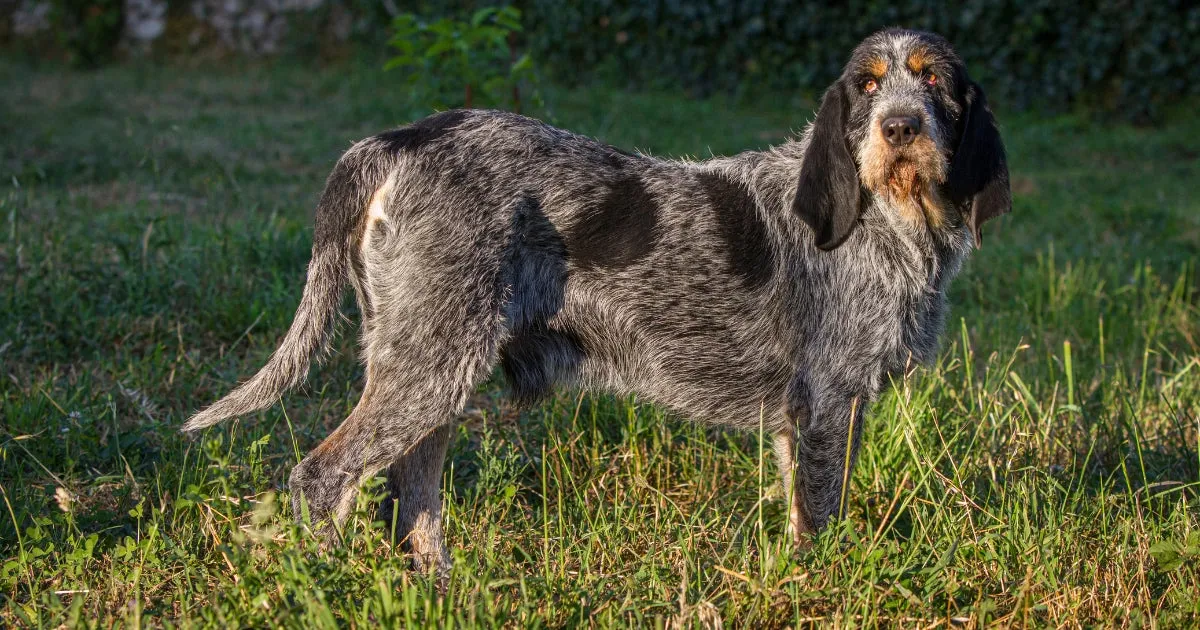 A grey Wirehaired Pointing Griffon dog with large black patches and big, floppy black ears.
Beyond the Breeds: Essential Grooming for Low-Shedding Dogs
Even though these large dog breeds shed minimally, their coats are not maintenance-free. In fact, many low-shedding breeds have continuously growing hair that requires dedicated grooming to prevent matting, skin issues, and to keep them looking their best.
- Regular Brushing: This is paramount. For breeds like the Poodle, Groodle, or Portuguese Water Dog, daily or every-other-day brushing with a slicker brush and metal comb is essential. This helps remove trapped hair and dander, distributes natural oils, and prevents painful mats. For wiry coats like the Schnauzer or Airedale, stiff bristle brushes work well.
- Professional Grooming: Many low-shedding breeds require regular professional trims, typically every 4-8 weeks. This keeps their coat at a manageable length, shapes it, and helps maintain overall coat health. Discussing your dog’s specific coat type and lifestyle with a professional groomer can help tailor a schedule.
- Bathing: Use gentle, dog-specific shampoos and conditioners. Brands like ‘Drool’ by Dr. Chris Brown can be excellent for cleansing without irritating sensitive skin, while conditioning treatments help keep coats soft and silky. Regular bathing (every 2-4 weeks, or as needed) keeps the skin and coat clean and reduces accumulated dander.
- Specialized Products: For breeds like the hairless Peruvian Inca Orchid, skin protection is key. Products like ‘Natural Dog Company’s Skin Soother’ can help with dry or cracked skin, while ‘Paw Soother’ and ‘Snout Soother’ are beneficial for overall comfort and health, especially for breeds with exposed skin or prone to dryness.
- Wiping Down: A quick wipe-down with a damp cloth or specially formulated dog wipes after walks can remove lingering allergens, dirt, and debris, helping to keep both your dog and your home cleaner.
Establishing a consistent grooming routine with the right tools and products tailored to your chosen breed’s needs will ensure your furry friend not only looks great but feels comfortable and healthy.
FAQs about the Largest Dog Breeds That Don’t Shed
Choosing a large dog with minimal shedding can bring many questions. Here are answers to some of the most common inquiries.
What is the least shedding large dog?
While all dogs shed to some extent, breeds like the Standard Poodle, Giant Schnauzer, and Komondor are consistently recognized for their remarkably minimal shedding. The Standard Poodle, in particular, is often cited due to its continuously growing, curly coat that effectively traps loose hairs. Other excellent low-shedding large dog options include ‘oodle’ crossbreeds like Goldendoodles and Labradoodles, which inherit their hypoallergenic coats from their Poodle lineage.
What is generally considered the largest breed of non-shedding dog?
The Standard Poodle is widely considered the largest dog breed that doesn’t shed significantly. These majestic dogs typically weigh between 40 to 70 pounds (18 to 32 kilograms) and stand over 15 inches (38 cm) tall, though many are much larger. Their dense, curly coat grows continuously, requiring regular grooming rather than shedding profusely, making them a prime choice for those seeking a large, low-shedding companion. While breeds like the Giant Schnauzer and Komondor are also large and shed minimally, the Standard Poodle often comes out on top for its combination of size and truly low-shedding characteristics.
What is the calmest large non-shedding dog?
Temperament can vary greatly between individual dogs, but several large non-shedding breeds are known for their generally calm and gentle dispositions, especially when properly socialized and exercised. Breeds such as the Standard Poodle, Irish Water Spaniel, and sometimes the Komondor (once mature and well-trained) can exhibit a more laid-back nature. While they all require exercise, these breeds often adapt well to family life and are not typically hyperactive, making them great companions for those seeking a tranquil presence in a large, low-shedding package.
Are there large family dogs that don’t shed?
Absolutely! Many large, low-shedding breeds make exceptional family pets. Their size often comes with a gentle nature, and their minimal shedding is a huge bonus for busy households. The Standard Poodle is a prime example, being intelligent, playful, and great with children. Groodles (Goldendoodles) are also highly regarded for their affectionate, patient, and adaptable temperament, thriving in family environments. The Portuguese Water Dog, with its energetic but friendly nature, is another fantastic option for active families. These breeds offer the perfect blend of size, companionship, and a low-shedding coat for a harmonious home.
Ian’s Wrap
The journey to find the perfect canine companion, especially a substantial one that won’t leave a trail of fur everywhere, is a significant endeavor. While the elusive “non-shedding” dog doesn’t exist in the absolute sense, our exploration of the “largest dog breed that doesn’t shed” reveals a fantastic array of options for prospective pet parents. Breeds like the noble Standard Poodle, the protective Giant Schnauzer, and the spirited Portuguese Water Dog demonstrate that you don’t have to sacrifice size or personality for a low-shedding coat.
These breeds offer wonderful, lifelong companionship, often bringing unique personalities, impressive intelligence, and a loving presence into your home. The key takeaway is understanding that “low-shedding” doesn’t mean “no grooming.” In fact, these coats often require more specialized and consistent care to prevent matting and maintain their health.
Choosing a large, low-shedding dog is a fantastic way to enjoy the immense love and loyalty of a big canine friend without the constant worry of excessive hair or allergy triggers. By understanding their needs and committing to their grooming, you’ll be well on your way to building an incredible bond with your new furry family member in a clean, comfortable home. For further research on low-shedding breeds, consider our detailed guide on medium to large sized dogs that don’t shed.
 A professional headshot of Ian Hamblin, a pet expert.
About Ian
Ian Hamblin is a renowned pet enthusiast and the driving force behind Zach’s Pet Shop, a trusted name in the Australian pet industry. With an impressive track record of nearly 15 years, Ian has been supplying high-quality pet products to Australians, earning their trust and loyalty.
