
Bringing a new kitten home is an exciting time, filled with joy and anticipation. One of the most crucial aspects of settling your new feline friend is ensuring they are properly litter box trained. This process, while generally straightforward for kittens, can sometimes present challenges for new cat parents. This guide will walk you through the essentials of Kitty Litter Training A Cat, from understanding your cat’s natural instincts to troubleshooting common issues.
Understanding Your Cat’s Instincts: The Root of Litter Box Success
Cats are naturally fastidious creatures, and their ancestors buried their waste to avoid detection by predators and prey. This instinct is deeply ingrained, making most cats inclined to use a litter box once they understand its purpose. Recognizing and working with these natural behaviors is key to successful kitty litter training a cat.
Choosing the Right Litter Box and Litter
The type of litter box and litter you select can significantly impact your cat’s willingness to use it.
- Litter Box Size and Type: Kittens need a box with low sides for easy access. As they grow, you’ll want a larger box that allows them to turn around comfortably. Many cats prefer open-top boxes, while others might feel more secure in a covered one. Experimentation might be necessary.
- Litter Material: Most cats are sensitive to the texture and scent of litter. Unscented, clumping clay litter is often the preferred choice for its similarity to natural soil. Avoid strongly scented litters, as these can be off-putting to a cat’s sensitive nose.
The Step-by-Step Guide to Kitty Litter Training a Cat
When you first bring your kitten home, confine them to a smaller area, such as a bathroom or a spare room, with their litter box, food, water, and a bed. This helps them acclimate and makes the litter box easily accessible.
- Introduction to the Litter Box: Place your kitten in the litter box several times a day, especially after waking up, after meals, and after playtime. Let them explore and do their business.
- Positive Reinforcement: When your kitten uses the litter box successfully, offer praise and a small treat. This positive association encourages repeat behavior.
- Cleanliness is Key: Scoop the litter box at least once a day and completely clean and refill it with fresh litter weekly. Cats are less likely to use a dirty litter box.
- Accidents Happen: If you find an accident, clean it up thoroughly with an enzymatic cleaner to eliminate odors that might attract your cat back to the same spot. Avoid scolding or punishing your kitten, as this can create fear and anxiety around the litter box.
Troubleshooting Common Litter Box Issues
Even with the best intentions, you might encounter problems. Here’s how to address them:
Why is My Cat Not Using the Litter Box?
Several factors can contribute to litter box aversion.
Medical Issues
Sudden changes in litter box habits can signal underlying health problems. Urinary tract infections, bladder stones, or kidney disease can make using the litter box painful. If you notice changes in urination or defecation, or if your cat starts avoiding the box, consult your veterinarian immediately.
Behavioral and Environmental Factors
- Location, Location, Location: Is the litter box in a quiet, accessible location? Cats prefer privacy and a place where they feel safe. Avoid placing it near noisy appliances, high-traffic areas, or their food and water bowls.
- Box Overcrowding: If you have multiple cats, you should have at least one litter box per cat, plus an extra. Cats may avoid sharing a litter box.
- Litter Preferences: As mentioned, cats can be picky about litter texture and scent. If you’ve recently changed the litter type, revert to the old one or try a different variety.
- Cleaning Habits: Insufficient cleaning is a common reason for avoidance. Ensure the box is scooped daily and washed regularly.
- Stress and Anxiety: Changes in the household, such as a new pet, a new baby, or even rearranging furniture, can stress a cat and lead to litter box problems.
Specific Scenarios
- Hiding Accidents: If your cat is consistently having accidents outside the box, especially in a specific location, try placing a litter box in that area temporarily. This can help redirect them.
- Spraying: This is a territorial behavior, often seen in unspayed or unneutered cats. Spaying or neutering can significantly reduce or eliminate spraying. For already altered cats, stress or medical issues might be the cause.
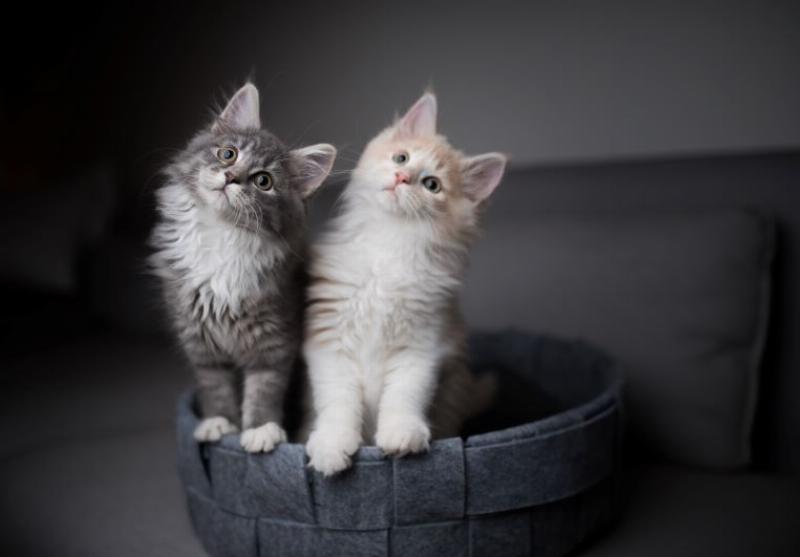 Essential guide to kitty litter training a cat with positive reinforcement and troubleshooting tips
The Importance of a Clean Litter Box: Beyond Basic Hygiene
Maintaining a clean litter box is paramount for successful kitty litter training a cat. A dirty box can lead to:
- Litter Box Aversion: As discussed, cats will avoid dirty facilities.
- Health Problems: Allowing waste to sit can foster bacteria and attract pests.
- Unpleasant Odors: A clean home is a happy home, and a clean litter box is a significant part of that.
Consider using litter box liners to make cleaning easier, but be aware that some cats might chew or shred them, which could lead to ingestion and potential health issues.
Transitioning to Multiple Litter Boxes
As your cat grows and becomes more comfortable, you might decide to add more litter boxes or move them to different locations.
- Gradual Changes: If you need to move a litter box, do so gradually, moving it a few feet each day until it reaches its desired location.
- Multiple Options: Providing multiple litter boxes in different areas of your home increases the chances that your cat will always have a convenient and clean option available.
Expert Advice: What Veterinarians Say
“When addressing litter box issues, the first step is always to rule out any underlying medical conditions,” advises Dr. Anya Sharma, a feline veterinarian. “Once medical causes are excluded, we look at the environment and the cat’s preferences. Is the box clean enough? Is the litter type suitable? Is the location stressful? These are crucial questions.”
For those of you looking into how to train a cat to use toilet, it’s important to remember that litter box training is the foundational step. Trying to fast-track this could lead to more significant issues.
Conclusion: Patience and Consistency in Kitty Litter Training
Kitty litter training a cat is a rewarding process that strengthens the bond between you and your pet. By understanding their natural instincts, providing the right environment, and employing positive reinforcement, you can ensure your feline companion becomes a confident and tidy member of your household. Remember that patience and consistency are your greatest allies. If you’re also curious about how to train your cat to travel or how to train your kitten tricks, mastering litter box basics is the essential first step in a well-trained cat’s journey.
