
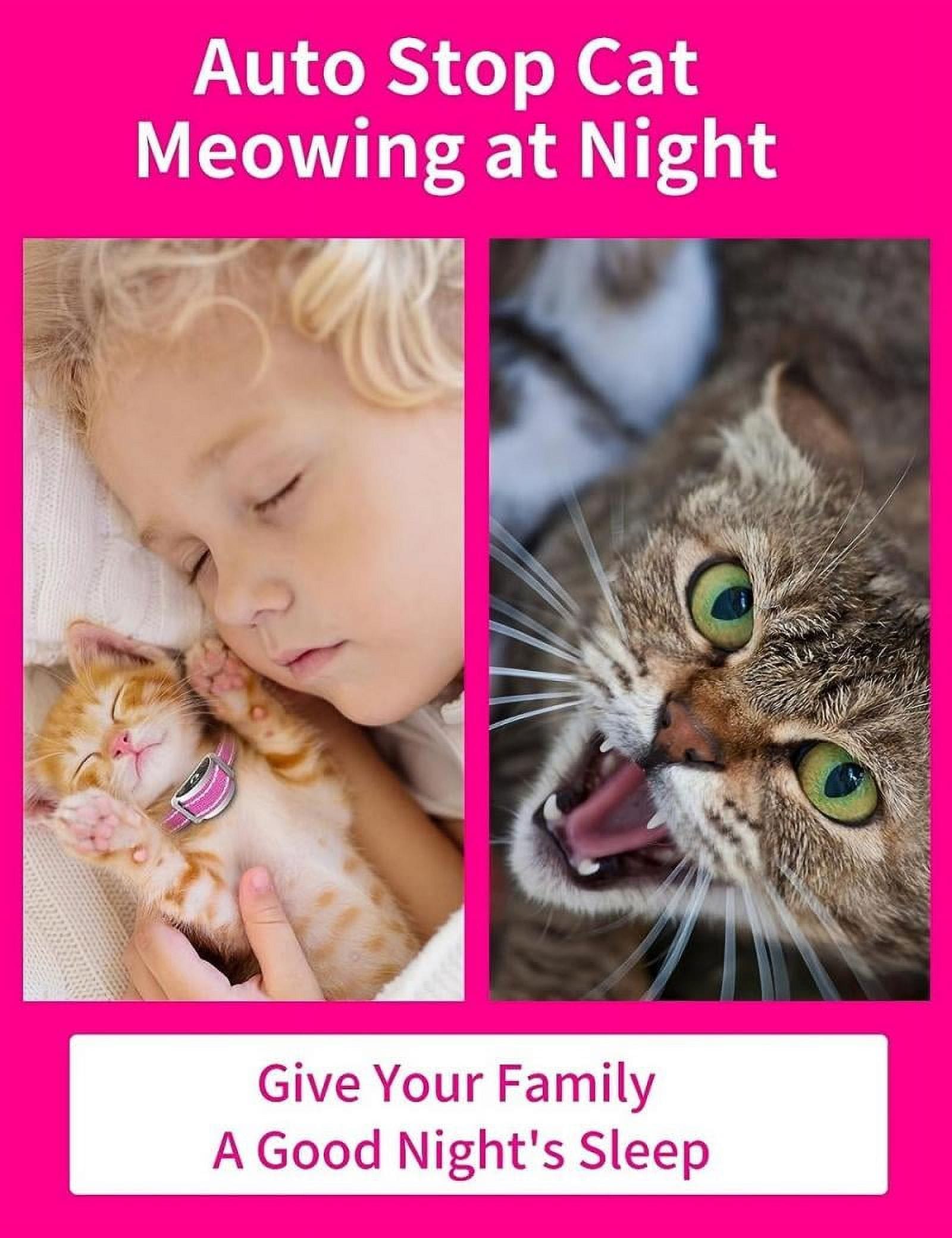
It’s a common, yet often frustrating, experience for cat owners: the sound of persistent meowing in the middle of the night. Your feline friend might be vocalizing due to a variety of reasons, ranging from simple boredom and a desire for attention to more serious underlying issues such as age-related cognitive decline or even medical conditions like thyroid problems. While the reasons behind your cat’s nocturnal yowls can be varied, it’s important not to ignore this behavior. Your cat is trying to communicate something, and deciphering their message can be a challenge for even the most devoted pet parents. This guide aims to help you understand the potential causes of nighttime meowing and offers practical solutions to encourage a more peaceful night’s sleep for both you and your beloved cat.
Addressing the Root Causes of Nocturnal Meowing
Before implementing any specific strategies, it’s crucial to consult with your veterinarian. This initial step is vital, especially if the meowing is a new behavior for your cat. A professional examination can rule out any underlying medical conditions that might be causing discomfort or distress, such as hyperthyroidism or age-related cognitive dysfunction, which can manifest as increased vocalization. If your vet confirms that your cat is in good physical health, you can then explore behavioral and environmental factors that may be contributing to their nighttime vocalizations.
1. Enhancing Environmental Enrichment
Cats are naturally active and curious creatures who thrive on stimulation. A lack of engagement during the day can lead to pent-up energy and boredom, which may be expressed as meowing at night. Providing a stimulating environment is key to preventing this. Consider incorporating vertical spaces like cat trees or shelves, as cats enjoy climbing and observing their surroundings from elevated perches. Interactive toys that mimic hunting, such as feather wands or laser pointers (used responsibly), can satisfy their predatory instincts. Puzzle feeders that dispense treats or kibble can also provide mental stimulation and prolong meal times. Offering a variety of scratching posts made from different materials (e.g., sisal rope, cardboard) caters to their natural urge to sharpen their claws and mark their territory. Ensuring your cat has ample opportunities for play and exploration throughout the day can significantly reduce their need to seek attention through vocalization at night.
2. Pre-Bedtime Playtime
Engaging in interactive play sessions with your cat before bedtime can be highly effective in managing nighttime meowing. Cats, particularly kittens, often have bursts of energy in the evening. By expending this energy through physically and mentally engaging games, you can help them wind down and feel more settled for sleep. Aim for play sessions that encourage movement, chasing, and pouncing. Remember that cats are often more interested in toys that move, so your active participation is crucial. These playtimes not only help tire your cat out but also serve as a valuable bonding opportunity, strengthening the connection between you and your feline companion. This can be a great way to ensure you both get a good night’s sleep.
3. Ensuring Access to Food and Water
A simple yet often overlooked reason for nighttime meowing is hunger or thirst. Cats are naturally crepuscular, meaning they are most active during dawn and dusk, and may wake up during the night feeling peckish or thirsty. Before you retire for the evening, ensure your cat has access to fresh water and a sufficient amount of food. Dry cat food is a convenient option to leave out, as it won’t spoil overnight and can be easily accessed by your cat if they feel the need to snack. This simple provision can prevent them from meowing out of necessity.
4. Maintaining Litter Box Cleanliness
Cats are fastidious creatures, and a dirty litter box can be a significant source of stress and protest. If their litter box is not clean, your cat may refuse to use it and will instead vocalize their displeasure, demanding that you address the issue. Regularly scooping the litter box at least once a day, and performing a full litter change and box cleaning periodically, is essential for maintaining your cat’s comfort and hygiene. This simple routine can prevent them from expressing their discontent through nighttime meowing.
5. Offering Affection and Social Interaction
Cats, like all social beings, require companionship and affection. While some cats are more independent and prefer to simply be in their owner’s presence, others actively seek out petting and cuddling. Your cat might be meowing at night because they are craving social contact and attention. Spending quality time interacting with your cat in a way they enjoy before bed can fulfill their need for social enrichment and help them feel secure and content, leading to more peaceful sleep. Understanding your cat’s individual preferences for affection is key to providing them with the comfort they need.
6. Identifying and Mitigating Disturbances
Cats have sensitive hearing and can be easily disturbed by environmental stimuli. A flickering light, the sound of wildlife outside, or even a new object in their familiar space can disrupt their sleep and lead to meowing. As light sleepers, even minor disturbances can be unsettling. Identifying potential disruptions in your cat’s sleeping environment and taking steps to minimize them can make a significant difference. This might involve ensuring curtains are drawn to block out external lights, or placing their sleeping area in a quieter part of the house. Addressing these disturbances can help create a more tranquil environment conducive to uninterrupted sleep. For further insight into your cat’s emotional state, understanding their body language can be incredibly helpful. Learning cat body language can provide valuable clues about how they are feeling and what might be bothering them.
Conclusion
Managing nighttime meowing in cats requires patience, observation, and a multi-faceted approach. By understanding the potential underlying causes – from environmental factors and behavioral needs to medical concerns – you can implement targeted strategies to promote quieter nights. Always begin with a veterinary check-up to rule out health issues. Subsequently, focus on providing adequate environmental enrichment, engaging in regular playtime, maintaining strict hygiene standards, and ensuring your cat feels loved and secure. By addressing your cat’s needs holistically, you can foster a more harmonious living situation and ensure restful nights for everyone in the household. If you’re interested in learning more about feline behavior and care, exploring resources on understanding your cat’s communication signals can be very beneficial.
