
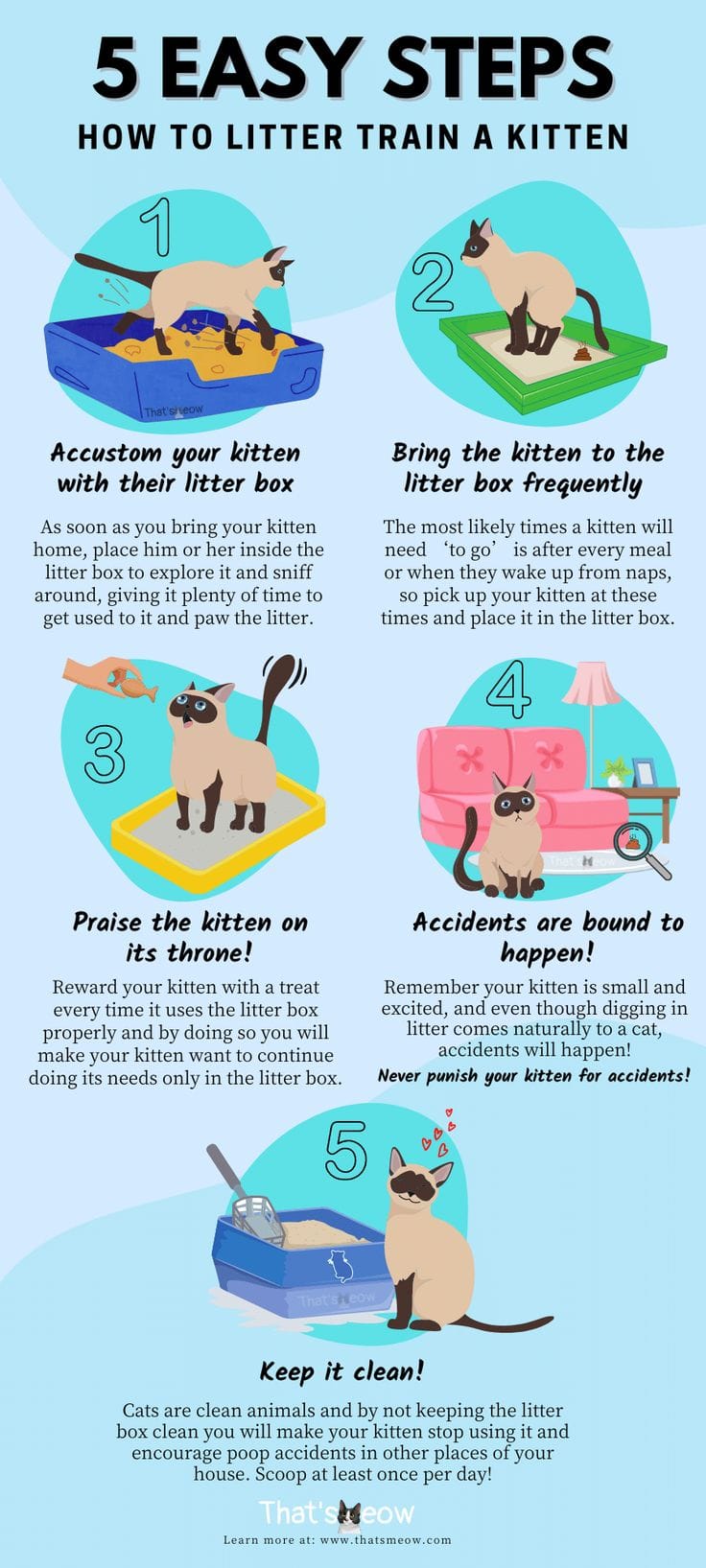
Bringing a new kitten into your home is an exciting time, filled with joy and adorable antics. However, it can also present challenges, particularly when it comes to housetraining. This guide addresses the common issue of kittens refusing to use the litter box, offering practical advice and insights to help you navigate this crucial stage of your kitten’s development. Understanding your kitten’s behavior and providing the right environment are key to a successful housetraining journey.
Understanding the Challenges of Litter Box Training
Kittens, despite their intelligence and adaptability, can sometimes present difficulties when it comes to using a litter box. This can be a frustrating experience for new owners, especially when employing various training methods without immediate success. The primary concern is to establish good habits early on, as a kitten that develops a preference for eliminating on hardwood floors, for instance, may be more challenging to retrain later.
Ruling Out Medical Issues
The very first step in addressing any housetraining problem is to ensure there are no underlying medical conditions. Kittens, like all animals, can experience digestive issues or other health problems that might lead them to avoid their litter box. Diarrhea, for example, can be a significant factor. Therefore, it is prudent to consult with a veterinarian to rule out any health-related causes before proceeding with behavioral training. This initial veterinary check-up is crucial for a proper diagnosis and treatment plan.
Deconstructing Behavioral Causes
If medical issues are ruled out, the reasons for your kitten’s avoidance of the litter box can be more complex and multi-faceted. A detailed consultation with a certified animal behaviorist can be invaluable in teasing apart the specific causes. Factors such as the type of litter, the design of the litter box, and even the kitten’s past experiences can play a role. Understanding these nuances is essential for developing an effective training strategy.
Rethinking Your Training Strategies
Some common housetraining techniques might inadvertently create a negative association with the litter box for your kitten. For example, placing a kitten directly into the litter box against its will can be an aversive experience. Instead of forcing the issue, try a more positive approach. Entice your kitten to the litter box area with engaging toys. The sound of scratching in the litter can also be an attractant, piquing their curiosity and encouraging them to investigate.
Creating the Ideal Litter Box Environment
The environment you provide plays a significant role in your kitten’s willingness to use the litter box. Providing a variety of options can help your kitten discover their preference.
The “Litter Cafeteria” Approach
A highly effective strategy is to offer multiple litter boxes, each with a different type of litter. This “litter cafeteria” or “buffet” allows your kitten to choose the substrate they find most appealing. It’s also advisable to include a box that is either empty or contains a puppy pad. This caters to kittens who may have a preference for smoother surfaces, mimicking the feel of a hardwood floor.
Box Design and Accessibility
For very young or small kittens, the design of the litter box is critical. Ensure the boxes are shallow enough for your kitten to easily walk into without having to climb. Small, disposable litter boxes made from recycled materials are readily available and can be a practical solution for this purpose.
Litter Preferences
While offering a variety, observe which litter your kitten seems to prefer. Some cats may settle on a specific type of soft litter, while others might consistently choose the litterless box with a puppy pad. Both outcomes are acceptable, as the ultimate goal is for your kitten to eliminate in an appropriate place. It is sometimes possible to transition cats with a preference for smooth substrates to a very soft kitty litter over time.
Additional Considerations for Litter Box Success
Beyond the immediate litter box setup, other factors can influence your kitten’s habits.
Fur Length and Litter Sensitivity
A kitten’s fur length can sometimes play a role in their litter box habits. Some long-haired cats can be particular about cleanliness and may require a “hygiene clip,” where the fur around their hindquarters is trimmed. This can prevent discomfort and encourage more consistent litter box use.
Seeking Professional Guidance
If you continue to face challenges despite implementing these strategies, do not hesitate to seek professional help. An animal behaviorist can provide personalized guidance and hands-on assistance tailored to your specific situation. Remember, establishing good habits early is key to preventing long-term behavioral issues. Housetraining a kitten may require patience and a willingness to adapt your approach, but with the right strategies, you can successfully guide your feline companion to use their litter box reliably.
For more insights into feline behavior and training, explore resources on how do you train a kitten to use litter box and how to get your cat to poop in litter box. Additional tips on how to train the kitten to use the litter box and general house training a kitten can also be beneficial. Remember, consistent and positive reinforcement is crucial for how to liter train a cat.
