
Bringing a new kitten into your home is an exciting experience, but it often comes with challenges, particularly when it comes to managing their natural behaviors like biting and scratching. Kittens explore their world with their mouths and claws, and while this is normal, it can sometimes escalate into aggression that needs to be addressed. Understanding the root causes and employing patient, consistent strategies are key to fostering a harmonious relationship with your feline companion. This guide will help you navigate these common kitten behaviors, ensuring your furry friend feels secure and loved while you maintain a comfortable living environment.
Addressing Nipping and Scratching Behaviors
When kittens nip or scratch, it’s often an expression of their natural instincts, playfulness, or sometimes, insecurity. Reacting with anger or frustration can be counterproductive. Instead, a firm yet patient approach is recommended. When your kitten exhibits unwanted behavior, it’s important to remain calm and speak clearly.
To effectively curb nipping and scratching, immediately say “No” and then disengage. By withdrawing your attention, you teach your kitten that biting and scratching lead to the cessation of play, which is usually undesirable for them. This consistent reaction helps them understand the consequences of their actions. Over time, they learn that gentle play is rewarded with interaction, while rough play leads to being ignored by their favorite humans.
Creating a Secure and Stimulating Environment
A kitten that feels secure is less likely to exhibit anxious biting or scratching. Providing a well-rounded environment is crucial for their emotional well-being. Ensure your kitten has readily available food and fresh water, a dedicated scratching post to satisfy their natural urges, and an abundance of toys to keep them entertained. Comfortable resting places where they can curl up and feel safe are also essential. Giving your kitten time to adjust to their new surroundings and establishing a consistent daily routine will significantly contribute to their sense of security.
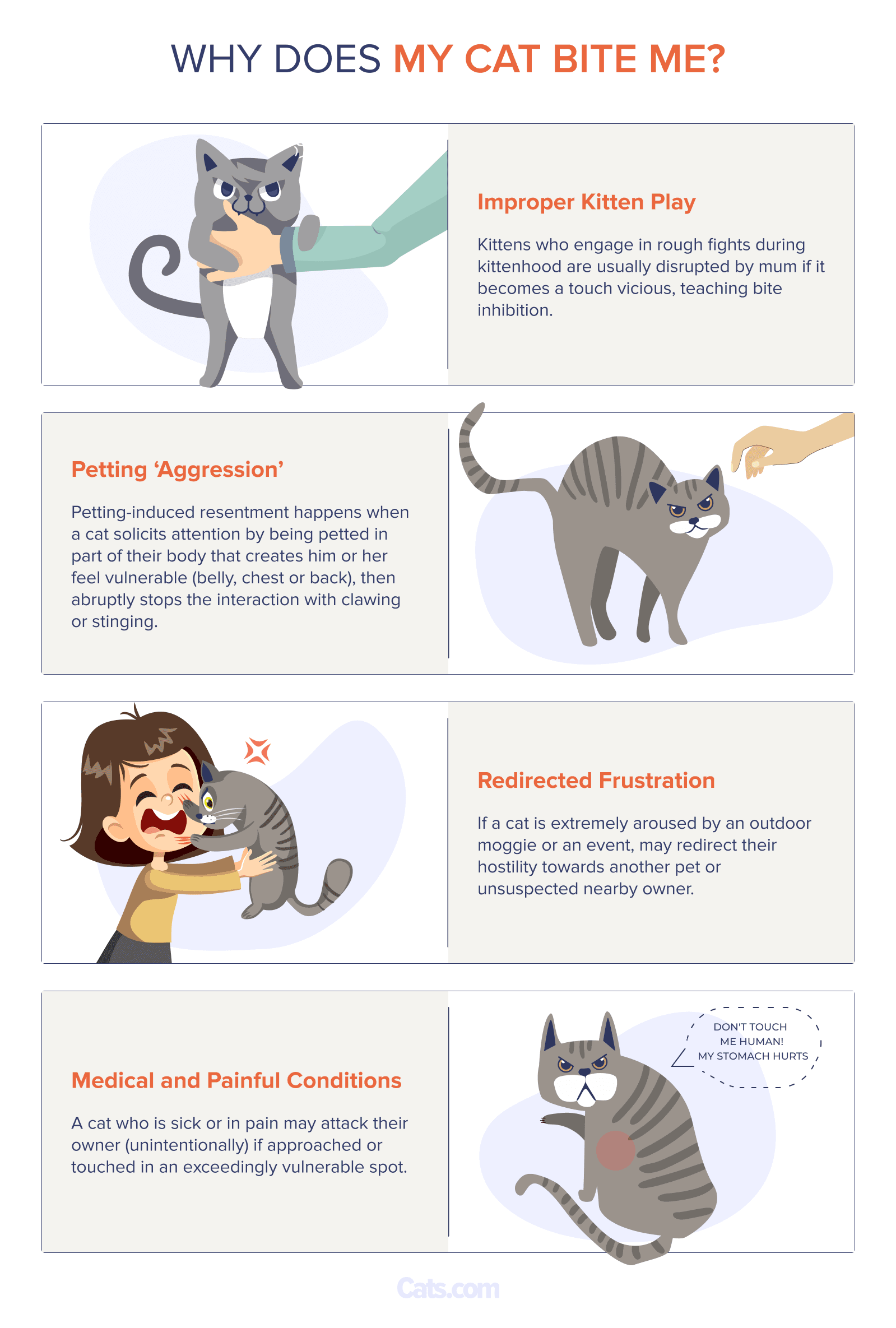
Cats often bite as a display of aggression stemming from feeling unsettled. This insecurity can be triggered by various factors, such as the presence of a rival cat in their territory or the introduction of new people into the household. Consistent and predictable behavior from their caregivers helps kittens understand that they are in a safe environment. This predictability is fundamental in building trust and reducing anxiety-driven behaviors.
Maintaining Your Kitten’s Health and Well-being
Regularly trimming your kitten’s claws is an important part of their overall grooming and well-being. This practice not only keeps their nails in good condition but also minimizes potential discomfort or pain if they do scratch you or furniture. It’s a proactive measure that benefits both the kitten and the pet parent.
If you notice a sudden and abnormal increase in aggressive behavior that goes beyond typical kitten playfulness, it’s advisable to consult with a veterinarian. Underlying health issues or pain can often manifest as increased defensiveness and a tendency to lash out. A professional veterinary examination can help rule out any medical causes for the behavioral changes and ensure your kitten is in good health.
To be an exemplary pet parent, it’s vital to consider situations from your kitten’s perspective. By stepping into their paws, you can gain a better understanding of their behavior and guide them toward more desirable actions. A consistent and understanding approach from their caregiver fosters a happy and stable home environment, especially for young kittens navigating their new world.
