
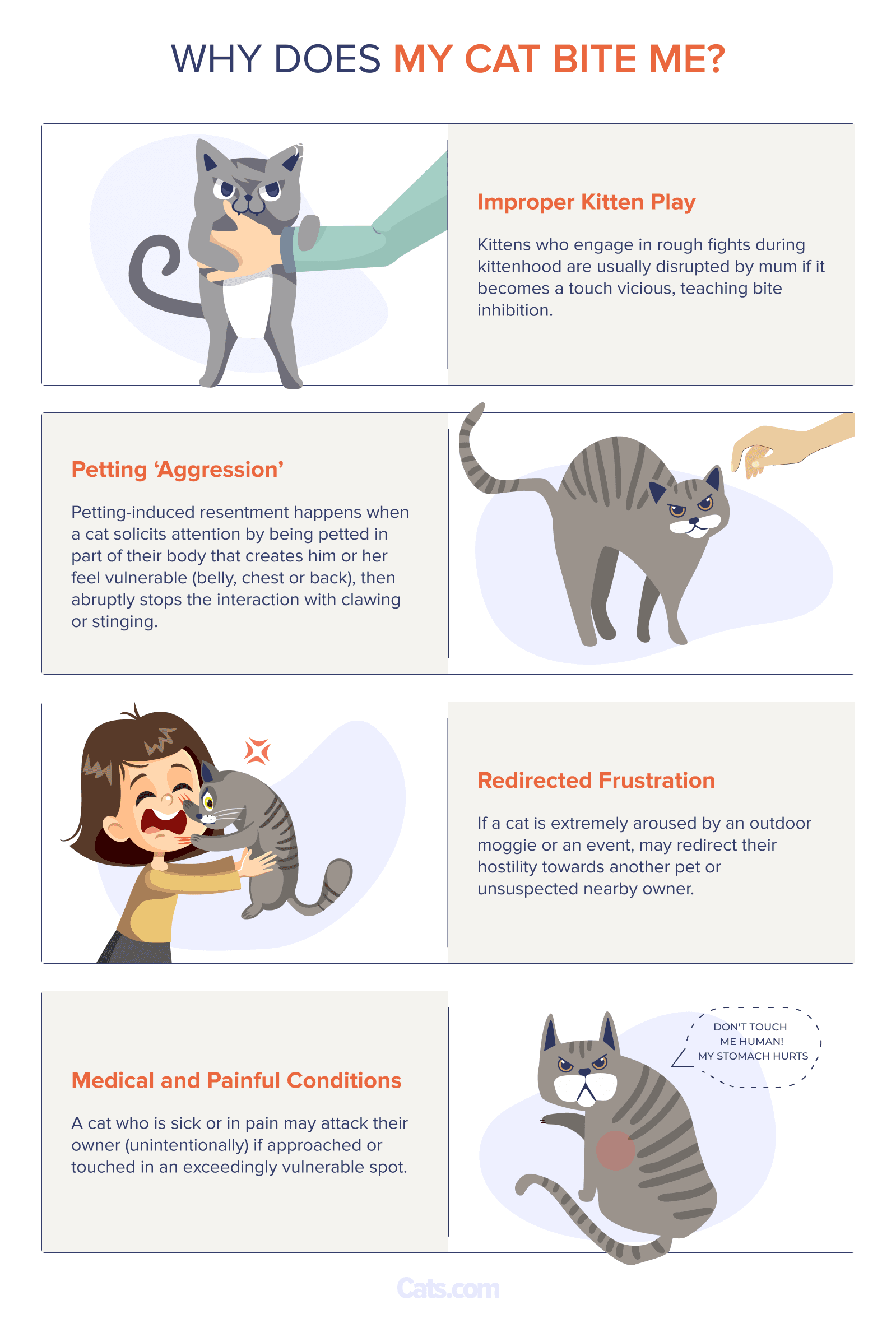
Play aggression in cats, often misunderstood, can manifest at any age and involves behaviors like biting, clawing, stalking, and attacking people as if they were prey or another feline. This behavior typically peaks in the morning and evening, mirroring natural hunting patterns. While often seen in young, highly active cats, older felines can also exhibit it, especially if they are high-energy and prone to boredom with short attention spans. A significant contributing factor to play aggression is the lack of sufficient, appropriate playtime, particularly when cats are left alone for extended periods without human or animal companionship.
Play is a fundamental and crucial aspect of feline development, essential for maintaining health, learning social interactions, and releasing energy—a commodity kittens seem to possess endlessly. Kittens hone their motor and hunting skills through play with littermates. For adult cats, playtime not only alleviates stress and aids in adapting to new environments but also enhances overall health and strengthens the bond between cat and owner. Understanding and consistently applying specific techniques can help manage and improve play aggression, fostering a harmonious living situation for both pets and people.
The Importance of Toy Selection: Interactive vs. Solo Play
Playtime for cats essentially mimics a hunting expedition. Interactive toys, often resembling a fishing pole with a dangling toy, are highly effective for engaging cats. These toys allow owners to imitate various prey animals like birds, mice, or snakes. It’s important to move the toy like prey—making it appear to be escaping the hunter—rather than dangling it directly in the cat’s face. Conversely, the toy shouldn’t be so difficult to catch that the play becomes frustrating; ensuring frequent successes makes the game enjoyable and rewarding for the cat.
Solo play involves toys that cats can entertain themselves with. The suitability of solo play depends on the cat’s activity level and self-entertainment capacity. Common solo play options include ping pong balls, catnip toys, food-dispensing toys, and small, lightweight plush mice that a cat can bat around and “bring to life” independently. These toys should be mentally stimulating, and rotating them regularly helps prevent boredom.
Why Hands Are Not Appropriate Toys
It is crucial to never engage in rough play with a cat, wrestle with them, or dangle your hands for them to chase. Always use a toy when playing with any cat. Even if the owner doesn’t mind rough play, biting, and scratching, the cat will learn that human body parts are acceptable toys for biting and scratching.
Guiding Your Cat Towards Appropriate Play Behavior
Establishing appropriate play habits from the outset is vital. Consistently using toys during play sessions is a foundational step. However, some kittens may still attempt to bite and scratch people, viewing all moving objects as potential playthings, or they might accidentally miss a toy and grab a hand or arm. If such an incident occurs, it’s essential to immediately end the play session. This teaches the kitten that rough play results in the cessation of fun. Ignoring the cat for a short period, without giving any attention, can be effective. Play can be resumed once the kitten has calmed down. Consistent application of this rule by everyone who interacts with the cat significantly reduces the likelihood of such behavior recurring, leading to noticeable improvement over time.
The goal is to redirect the kitten’s playful energy towards toys. Providing ample interactive playtime is the first step. If the cat continues to attack humans, owners can try to intercept the behavior. By recognizing pre-pounce cues such as dilated pupils, a swishing tail, or crouching, owners can throw a toy just before an attack is imminent. This successfully redirects the cat’s predatory instincts toward the toy instead of the human. However, if the cat has already initiated an attack, owners should refrain from immediately offering a toy, as this rewards the aggressive behavior and could potentially increase its frequency.
Responding to Play Aggression: Essential Dos and Don’ts
How you react to a play-aggressive attack significantly influences whether the aggression escalates or subsides, and whether the behavior improves or worsens. Consistency in your response is paramount.
What NOT to Do:
- Avoid jerking away quickly. This movement mimics prey escaping, which can incite further aggression.
- Do not physically punish the cat. This teaches the cat that you will engage in rough play and can lead to intensified aggression or fear. Young or small cats can also be easily injured by physical punishment.
- Refrain from exaggerated reactions like screaming or jumping. These actions might be interpreted by the cat as an aggressive response, potentially escalating the situation.
- Do not confine the cat in a “time out.” This can be particularly problematic if the cat is likely to bite when being handled.
- Never react with anger. Anger can induce fear and stress in your cat, escalate the attack, and is unproductive in correcting the behavior.
What TO Do:
- Implement “GAME OVER.” Cease all play immediately and calmly disengage from the cat.
- Redirect the cat to appropriate toys. Utilize toys that can be kept at a distance, such as fetch toys or wand toys, to keep the cat focused away from human interaction.
- Provide interactive play sessions at least twice daily, ideally in the morning and evening. Effective toys include cat dancers, wand toys, and string toys. Maintain a regular play schedule to ensure your cat has appropriate outlets for their energy and sufficient exercise. Also, provide toys for solo play and rotate them to maintain novelty and prevent boredom.
- Learn to recognize early indicators of play aggression, such as dilated pupils, lurking behaviors, or crouching. Intervene immediately by redirecting the cat at the first sign of these behaviors.
- Consider attaching a bell to your cat’s collar. This can help alert you to their presence, making sneak attacks less likely.
- Explore adopting a second cat. A companion of similar age, energy level, and temperament can provide an appropriate playmate.
- Enhance mental stimulation by harness training your cat for walks or teaching them simple tricks like “sit” and “stay.”
Play-aggressive cats often require ample space for energetic activity. While a larger home is ideal, vertical space can be increased in smaller apartments with the addition of perches and cat trees.
Ultimately, positive play experiences can significantly enhance the cat-human relationship, fostering trust and positive associations, especially beneficial for cats who may be initially hesitant or unsure around certain individuals.
