
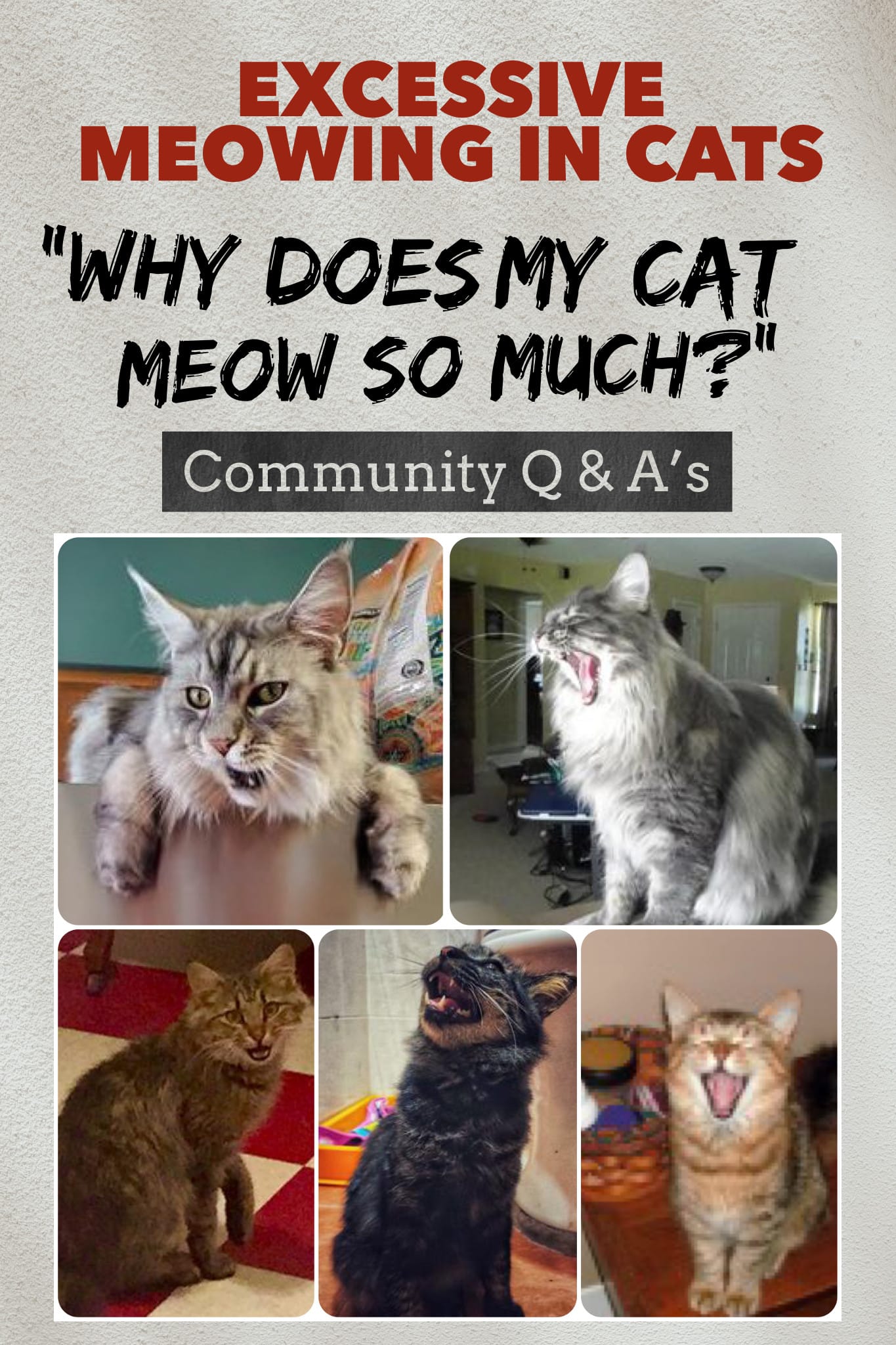
Is your new kitten crying inconsolably through the night, or has your adult cat suddenly started meowing non-stop? While some vocalization is normal for felines, excessive meowing can be a source of frustration for owners. Understanding the underlying reasons behind this behavior is key to addressing it effectively. This guide will delve into why kittens and cats meow excessively, exploring common causes and providing practical solutions to restore peace in your home. Learn more about common kitten behaviors.
What Constitutes Excessive Vocalization in Cats?
Vocalization is a natural form of communication for cats. Kittens meow to their mothers to signal hunger or discomfort. As they grow, cats often shift their vocalizations towards humans to express needs, seek attention, or alert owners to problems. Some breeds, like Siamese cats, are inherently more vocal than others.
Beyond typical meows, cats also “yowl,” a deeper, more prolonged sound often used in communication between adult cats, especially during mating seasons. While some level of meowing is normal, an abrupt increase in vocalization, whether in kittens or adult cats, can signal underlying issues such as environmental changes, stress, hormonal shifts, or health concerns. Determining when meowing becomes “excessive” is subjective, but persistent crying from a kitten or all-night howling from an adult cat certainly warrants attention.
Why is Your Kitten Meowing So Much?
Kittens meow for a variety of reasons, ranging from simple greetings to expressions of pain or frustration.
Seeking Attention
One of the most frequent reasons for a kitten’s incessant meowing is attention-seeking. Kittens quickly learn that loud vocalizations elicit a response from their owners, whether it’s feeding, playing, or petting. This positive reinforcement solidifies their belief that meowing is an effective way to get what they want.
Pain and Discomfort
Kittens experience discomfort as their 26 baby teeth erupt, typically between two and four weeks old, eventually making way for 30 adult teeth by six months. This teething process can be painful. Additionally, kittens are prone to accidents, and any resulting pain or injury might lead to increased crying. It’s crucial to consult a veterinarian to rule out serious issues and to kitten-proof your home to prevent future mishaps.
Litter Box Dissatisfaction
Kittens can be particular about their litter box. Issues such as an unclean box, an inappropriate substrate, or a box that’s too small can lead to frustration and vocalization when they approach or use it. Addressing these concerns can often resolve the meowing.
Stress and Environmental Changes
Significant changes in a kitten’s environment, such as moving to a new home or even rearranging their favorite cat tree, can be stressful. This stress can manifest as increased crying as they adjust to their new surroundings.
Calming a Crying Kitten: Effective Strategies
If your kitten is meowing excessively, consider these approaches:
- Ignore Attention-Seeking Meows: When you’re confident the meowing is solely for attention, try to wait it out. Reward your kitten with affection or a treat only when they are quiet. This helps them understand that persistent meowing won’t always get them what they desire.
- Alleviate Teething Pain: For kittens under six months old experiencing discomfort, offer a kitten-safe dental chew. If you notice red, swollen gums or discharge, consult your veterinarian immediately for potential medical treatment.
- Address Litter Box Issues: Ensure the litter box is clean, appropriately sized, and contains a substrate your kitten likes. If problems persist, seek veterinary advice to rule out medical conditions like urinary tract infections.
- Provide a Secure Environment: For kittens distressed by changes, create a calm, safe space where they can retreat, observe, and rest without feeling threatened. This helps them acclimate to their new environment and develop self-soothing skills, eventually reducing excessive crying. Proper socialization is also vital.
Why is Your Adult Cat Meowing Excessively?
As cats mature, their vocalizations can continue for various reasons, some similar to kittens, and others unique to adulthood.
Expressing Needs
Similar to kittens, adult cats meow primarily to communicate wants, most commonly for food. They might also vocalize if they need water or access to a clean litter box.
Boredom or Loneliness
Cats, especially indoor ones, can become bored or lonely if their environment lacks sufficient stimulation for their natural hunting instincts. This can lead to meowing or yowling, particularly at night. If a cat remains excessively vocal despite adequate playtime, it could indicate underlying health issues like kidney disease or thyroid problems.
Feeling Threatened or Insecure
Excessive yowling can sometimes stem from insecurity. A cat feeling threatened, perhaps by a new pet in the household, might vocalize loudly as a defense mechanism.
Health Issues and Pain
New or increased vocalization can signal developing health problems. Older cats are particularly susceptible, experiencing changes in cognitive abilities or sensory deficits that may lead to more frequent meowing. Cats often hide pain, but severe discomfort from injury or illness may cause them to meow or yowl loudly. It’s essential to schedule a veterinary visit to rule out any medical causes for increased vocalization. Cat health issues should always be taken seriously.
Being in Heat
Unspayed female cats, typically between six and 10 months old, will enter heat cycles, making them fertile and ready to mate. This phase often involves increased affection, purring, rubbing, and excessive meowing as they seek a mate. Male cats may yowl at night in response to a nearby female in heat. Heat cycles usually last four to 10 days and recur every two to three weeks. While the breeding season is typically February to September, indoor cats may experience heat year-round.
How to Reduce Excessive Meowing in Cats
Once the reason for your cat’s meowing is identified, you can implement strategies to manage the behavior.
- Accept Some Vocalization: Understand that you likely won’t silence your cat completely. Some cats are naturally more communicative. Appreciate their meows as expressions of happiness or greeting.
- Avoid Rewarding Demanding Behavior: Do not give in to constant meowing for food outside of regular meal times. This only reinforces the behavior. Ensure your cat has access to food, water, and a clean litter box, but respond to vocalizations only when they are calm.
- Consult Your Veterinarian: If excessive meowing is a new behavior, a veterinary check-up is crucial to rule out or diagnose underlying health issues, especially in older cats. Conditions like cognitive dysfunction or sensory deficits can often be managed with medication.
- Address Boredom and Loneliness: Increase interactive playtime with your cat using toys like wands or balls. Introducing new toys or even simple items like boxes can provide mental stimulation. Varying playtime routines can also help.
- Consider Spaying or Neutering: For unspayed females, spaying eliminates heat cycles and associated vocalizations. Neutering males can reduce yowling aimed at attracting females. Desexing offers numerous health benefits, including preventing certain cancers and infections, and helps control pet overpopulation. Spaying your cat can be a significant investment but prevents future issues.
- Manage Heat-Related Behavior: If your cat is in heat, providing a safe indoor environment and considering spaying are the best solutions.
Pet insurance can help manage the costs associated with veterinary care, including diagnostics and treatments for conditions causing excessive vocalization. Compare pet insurance plans to find coverage that suits your needs and budget.
Key Takeaways
- Excessive meowing is often a learned behavior reinforced by owners inadvertently providing attention.
- Ignoring attention-seeking meows and rewarding quiet behavior is effective.
- Sudden increases in vocalization necessitate a veterinary examination to rule out health problems.
- Addressing boredom, stress, and environmental factors can reduce vocalization.
- Spaying or neutering can resolve heat-related meowing and offer other health benefits.
- Pet insurance can provide financial assistance for veterinary care related to illnesses and accidents.
