
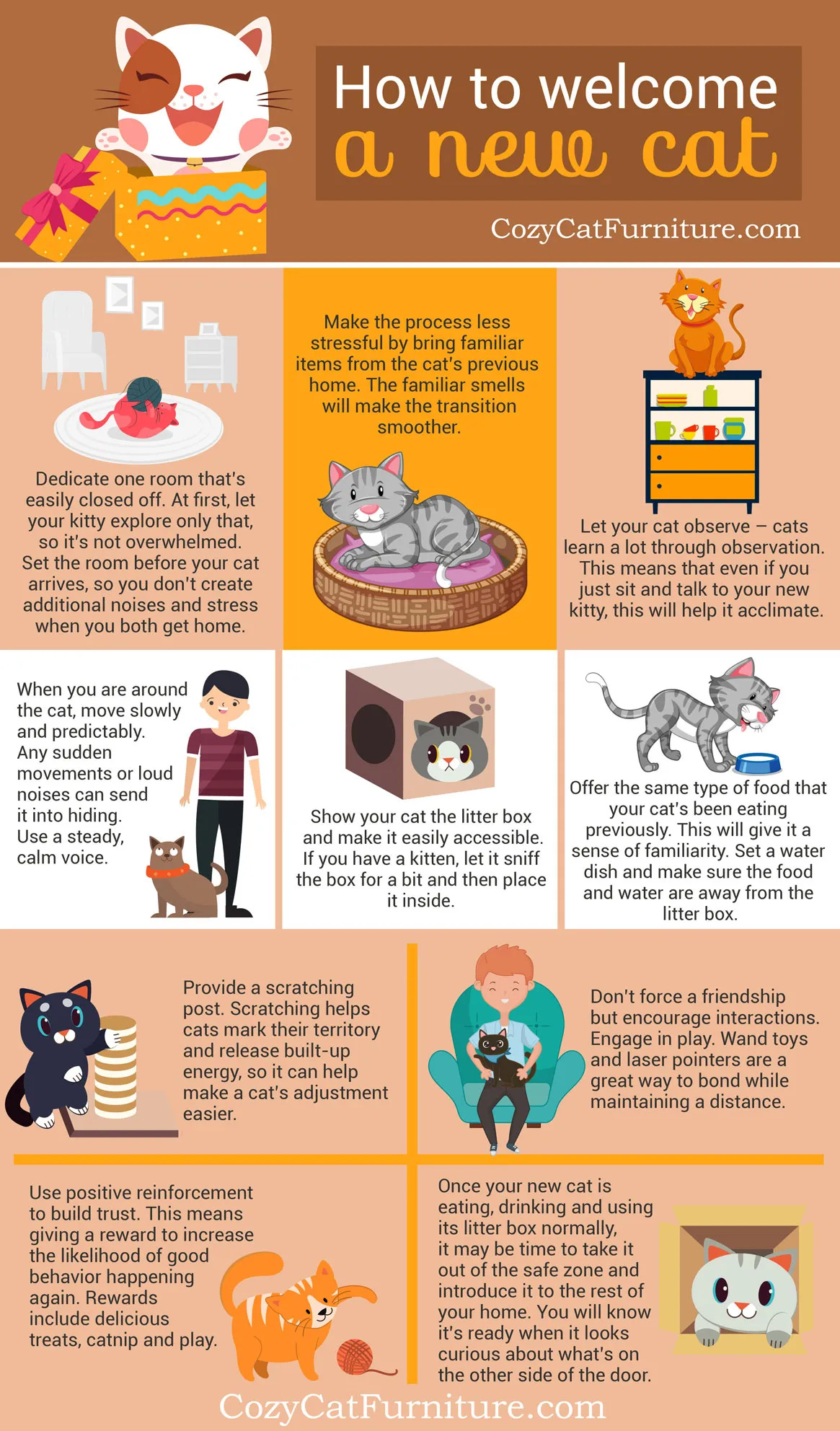
Bringing a new kitten into a home with an existing feline friend can be a delicate process. While kittens are undeniably adorable, their boundless energy and curiosity can sometimes overwhelm a more settled resident cat. This guide, offered from a feline perspective, provides essential tips for a smooth introduction, ensuring harmony for both the kitten and your established cat.
The Importance of First Impressions
The initial encounter between your resident cat and the new kitten is crucial. It sets the tone for their future relationship and can significantly impact the household’s overall atmosphere. During this phase, supervision is key. Your humans must be present to manage the kitten’s behavior and help both felines understand their boundaries. This period is vital for teaching the kitten how to interact with an older cat and for your resident cat to learn to tolerate, and hopefully accept, a new housemate. A rocky start can make it challenging to foster a positive relationship later on.
Research into cat introductions highlights several key strategies that proved beneficial:
- Separate Resources: Ensuring each cat has their own bed, food bowls, and litter tray is fundamental. This reduces potential conflict over essential resources.
- Gradual Introduction: Allowing cats to acclimate to each other’s presence slowly, without leaving them unsupervised until they show signs of getting along, is essential.
- Personal Space: Maintaining a safe haven for the resident cat, such as a room the kitten cannot access, provides a much-needed retreat and sense of security.
- Calming Pheromones: Utilizing products like FELIWAY Optimum in shared spaces can help create a more serene environment, aiding in coping with new encounters.
A crucial oversight in the introduction process was the lack of scent swapping before the kitten’s arrival. Unlike humans who rely heavily on sight and hearing, cats heavily depend on their sense of smell for recognition and acceptance. Exchanging bedding or toys with each cat’s scent beforehand would have allowed them to become familiar with each other’s smell, making the initial meeting less startling.
Even with these minor setbacks, the introductions ultimately went well. However, the kitten’s persistent attention still requires management. He needs to learn to respect personal space, understand when play is not desired, eat his own food, and refrain from treating the resident cat’s tail as a toy.
Key Considerations for a Harmonious Household
From a feline’s point of view, here are essential reminders for cat guardians:
- Acknowledge Individual Needs: Recognize that a kitten and an older cat have different energy levels and needs. Kittens require more stimulation through toys, climbing structures, and frequent play sessions to prevent them from seeking attention from the resident cat in undesirable ways, like playing with their tail.
- Supervise Interactions: Do not leave cats to “sort themselves out,” especially during the initial introduction period. If conflicts arise, separate them and allow them time to cool down.
- Don’t Neglect Your Resident Cat: Continue to dedicate quality time to your older cat, engaging in play or grooming. They still need reassurance and affection, even with a cute new kitten around.
- Adequate Resources: Ensure there are sufficient resources for all cats in the household, including separate sleeping areas, litter trays, and feeding stations. Cats generally do not like to share.
- Minimize Other Changes: Avoid making significant changes to the home environment simultaneously with the introduction of a new kitten. Adjusting to a new housemate is already a substantial change for a cat.
When a new kitten or younger cat is introduced, the ideal outcome is for the resident cat to happily accept their new companion. While significant effort has been made to ensure Felix and the resident cat coexist peacefully, and the resident cat now experiences fewer tail-chasing incidents, ongoing management is still required.
If you have concerns about the relationship between your cats, it is always advisable to consult with your veterinarian. Underlying health issues could make your resident cat less tolerant. If health is not a factor, a qualified animal behaviorist can provide guidance on fostering a better relationship between your feline friends.
