
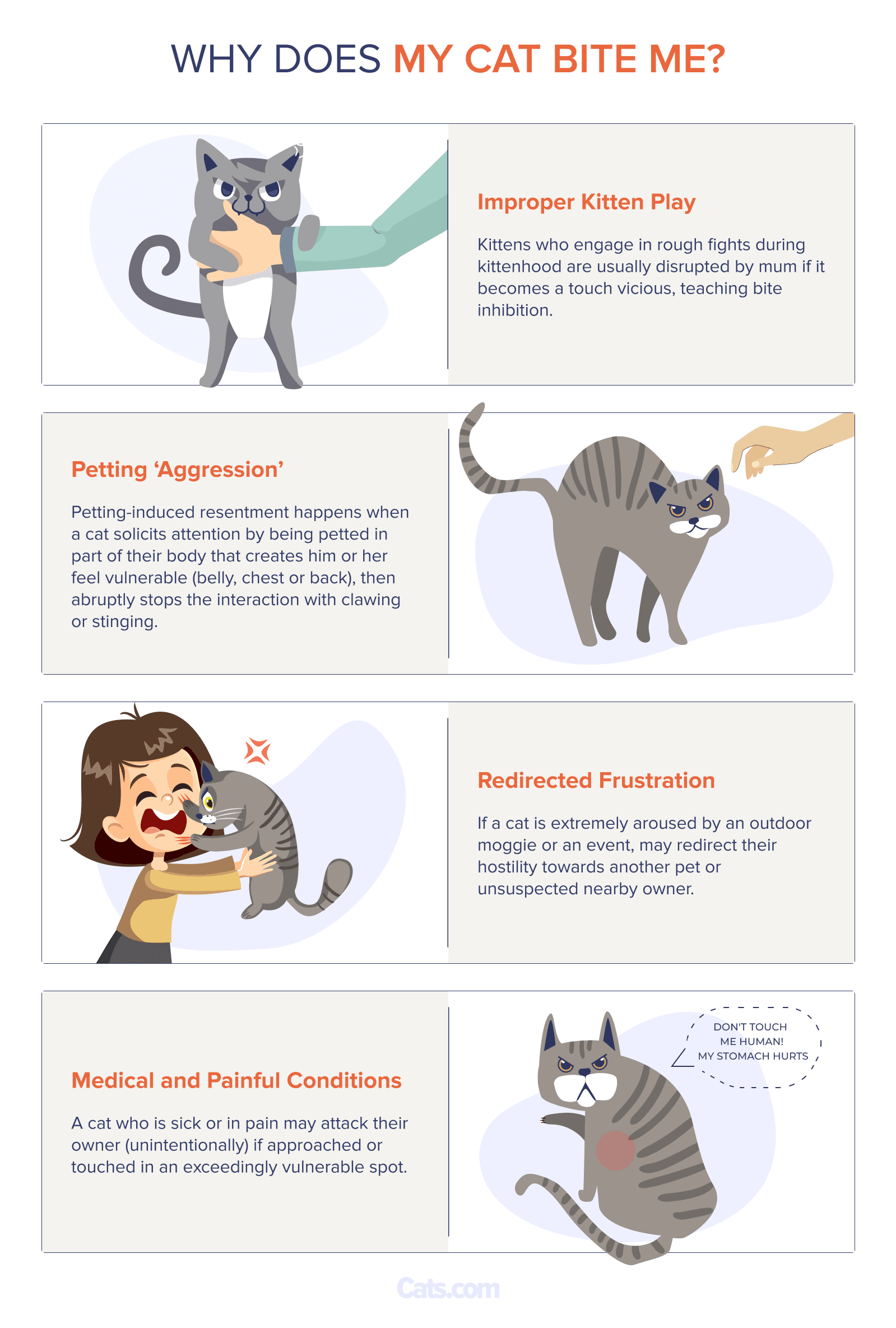
Bringing a new kitten into your home is an exciting experience, but it often comes with a unique set of challenges, particularly when it comes to their behavior. Kittens explore the world with their mouths and claws, and what might seem like aggression can often be a normal part of their development. Understanding why kittens bite and scratch is the first step towards managing this behavior effectively and fostering a strong bond with your new feline friend. This guide will delve into common reasons for biting and scratching, and provide practical, empathetic strategies for pet parents to help their kittens learn appropriate behavior.
Why Do Kittens Bite and Scratch?
Kitten biting and scratching are often rooted in instinct, exploration, and communication. It’s crucial to differentiate between playfulness, fear-based reactions, and potential signs of underlying issues.
Playfulness and Exploration
Kittens are naturally playful, and their play often involves mimicking hunting behaviors. They may chase, pounce, and use their teeth and claws on toys, siblings, or even their human companions. This is a normal part of learning their physical capabilities and social skills.
Fear and Insecurity
When a kitten feels threatened, scared, or insecure, they may resort to biting or scratching as a defense mechanism. This can be triggered by unfamiliar environments, loud noises, sudden movements, or the presence of new people or animals in the household. A kitten feeling unsafe may lash out to protect themselves.
Overstimulation
Kittens have a lower threshold for overstimulation compared to adult cats. Prolonged petting, especially in sensitive areas, or overly enthusiastic play can lead to a state of overexcitement. This can manifest as a sudden nip or scratch, a signal that they’ve had enough.
Attention Seeking
Sometimes, kittens learn that biting or scratching gets them attention, even if it’s negative attention. If they meow incessantly or exhibit mild nipping and are then immediately attended to, they may continue this behavior to solicit interaction.
Pain or Medical Issues
A sudden increase in aggression, biting, or scratching, especially if it’s out of character, could be a sign that the kitten is in pain or experiencing a medical issue. If your kitten is unwell, they are more likely to feel defensive and lash out.
Effective Strategies for Managing Kitten Biting and Scratching
As responsible pet parents, our role is to guide our kittens towards acceptable behavior through patience, consistency, and positive reinforcement.
Redirect Playful Biting and Scratching
When your kitten starts to nip or scratch during play, it’s important to immediately redirect their attention.
- Use appropriate toys: Offer them a toy to bite or scratch instead of your hands or feet. Wand toys, plush mice, and scratching posts are excellent options.
- Stop the play: If they bite too hard, say “Ouch!” or “No!” in a firm but calm voice, and immediately withdraw your attention. Walk away for a few minutes to let them know that biting stops the fun. This helps them learn that biting means play ends.
- Praise good behavior: When your kitten plays appropriately with toys or engages in gentle interaction, offer praise and affection.
Address Fear and Insecurity
Creating a safe and predictable environment is paramount for kittens who exhibit fear-based biting or scratching.
- Provide a safe space: Ensure your kitten has a quiet, comfortable place where they can retreat and feel secure. This could be a cat bed, a covered carrier, or a high perch.
- Introduce new stimuli gradually: When introducing new people, pets, or changes in the environment, do so slowly and allow your kitten to approach at their own pace.
- Maintain a consistent routine: Kittens thrive on predictability. Regular feeding times, play sessions, and quiet periods help them feel secure.
- Be consistent: As a pet parent, maintaining consistent behavior towards your kitten helps them feel safe and understand your boundaries. [See how below] for managing bad behavior.
Manage Overstimulation
Pay attention to your kitten’s body language. Signs of overstimulation can include a twitching tail, flattened ears, or dilated pupils.
- Know when to stop: If you notice these signs during petting or play, stop the interaction gently. Allow your kitten to move away and calm down on their own.
- Short, positive sessions: Keep petting and play sessions short and enjoyable for both you and your kitten.
Trim Claws Regularly
Regularly trimming your kitten’s claws can significantly reduce the damage caused by scratching and make any accidental scratches less painful. This is a beneficial part of their overall grooming routine and contributes to their well-being.
Seek Veterinary Advice
If your kitten’s aggressive behavior is sudden, intense, or seems out of character, it is essential to consult with a veterinarian. They can rule out any underlying medical conditions or pain that might be contributing to the behavior.
By understanding the root causes of kitten biting and scratching and implementing these patient, consistent strategies, you can guide your kitten towards becoming a well-adjusted, affectionate companion. Remember, seeing things from your kitten’s perspective is key to fostering a harmonious relationship. A consistent approach from a loving pet parent leads to a happy and secure household for everyone, especially for your growing kitten.
