
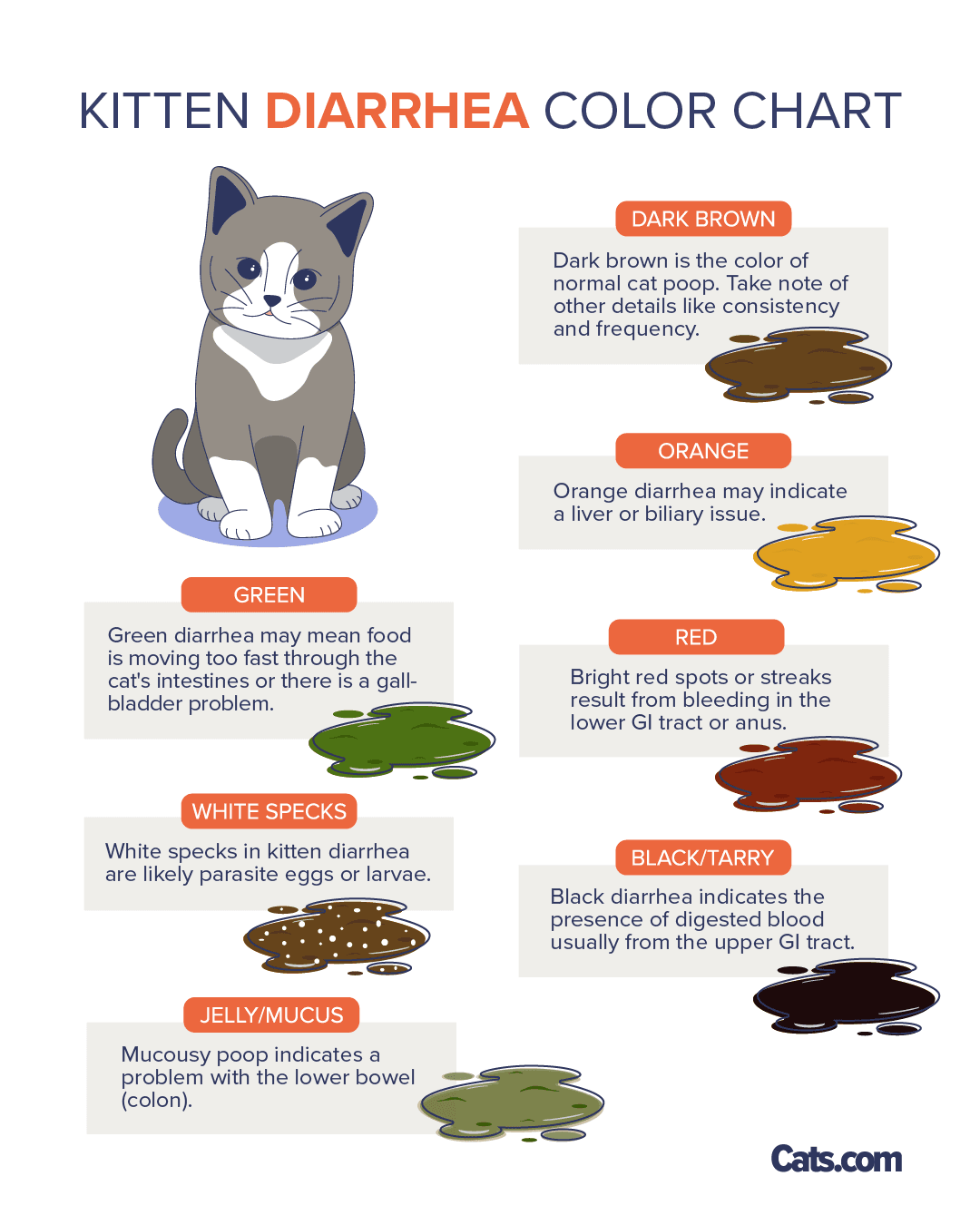
Bringing a new kitten home is an exciting time, but it can quickly turn concerning when you notice diarrhea. While often alarming for new pet owners due to the mess it creates, kitten diarrhea can be a critical indicator of underlying health issues requiring prompt attention. Understanding the various potential causes is the first step toward ensuring your furry friend stays healthy and happy.
Dietary Indiscretions and Sensitivities
A kitten’s digestive system is delicate, making it susceptible to upset from dietary changes. Introducing new foods or treats too abruptly can lead to loose stools. Kittens, with their inherent curiosity, might also nibble on inappropriate items such as human food scraps or even dog food, both of which can disrupt their digestive balance. Furthermore, many kittens are lactose intolerant, meaning that offering them cow’s milk can paradoxically lead to diarrhea rather than providing nourishment.
Intestinal Parasites
One of the most common culprits behind diarrhea in kittens is intestinal parasites. These microscopic organisms, such as roundworms, hookworms, and giardia, reside in the kitten’s intestines and interfere with normal digestion, resulting in watery stools and significant discomfort. While visible worms in the stool are not always present, a veterinarian can perform diagnostic tests to identify and treat these common invaders.
Medication Side Effects
Certain medications, particularly antibiotics and pain relievers, can have gastrointestinal distress as a side effect. If your kitten is undergoing treatment for another condition and develops diarrhea, it is crucial to consult your veterinarian. They can assess whether the medication is the cause and may suggest adjustments to the dosage or an alternative treatment.
Stress and Environmental Changes
Kittens, much like adult cats and humans, can experience diarrhea as a response to stress. Significant life changes, such as moving to a new home, the introduction of new pets, or even loud noises and disruptions, can trigger a stress response that manifests physically. This is part of their natural “fight-or-flight” reaction.
Toxicity and Ingestion of Harmful Substances
A kitten’s exploratory nature can lead them to chew on household plants or ingest non-food items that may be toxic. Even some common flea and tick treatments can pose risks if not applied correctly. It’s essential to kitten-proof your home and be aware of potential hazards that your kitten might encounter.
Infectious Diseases
For unvaccinated kittens, exposure to infectious diseases is a serious threat. Pathogens encountered in shelters, from other animals, or during outdoor explorations can lead to severe gastrointestinal issues. Ensuring your kitten receives appropriate vaccinations is a critical part of preventative care.
Underlying Digestive Disorders
In some cases, chronic diarrhea in kittens can be a symptom of more complex digestive disorders, such as inflammatory bowel disease (IBD). These conditions require ongoing veterinary management and can impact a kitten’s overall health and well-being over time.
Recognizing Serious Symptoms and When to Seek Veterinary Care
When monitoring your kitten for diarrhea, it is important to watch for additional symptoms that may indicate a more serious condition. These include vomiting, the presence of blood in the stool, lethargy, loss of appetite, and signs of dehydration such as dry gums or excessive thirst. If your kitten exhibits any of these signs, or if diarrhea persists for more than two days, immediate veterinary attention is recommended.
Fortunately, many cases of kitten diarrhea can be resolved quickly once the underlying cause is identified. Treatment plans are tailored to the specific issue but often involve dietary adjustments and professional veterinary guidance to ensure the best outcome for your kitten. Consulting with your veterinarian is always the most reliable way to diagnose and manage diarrhea in young cats.
