
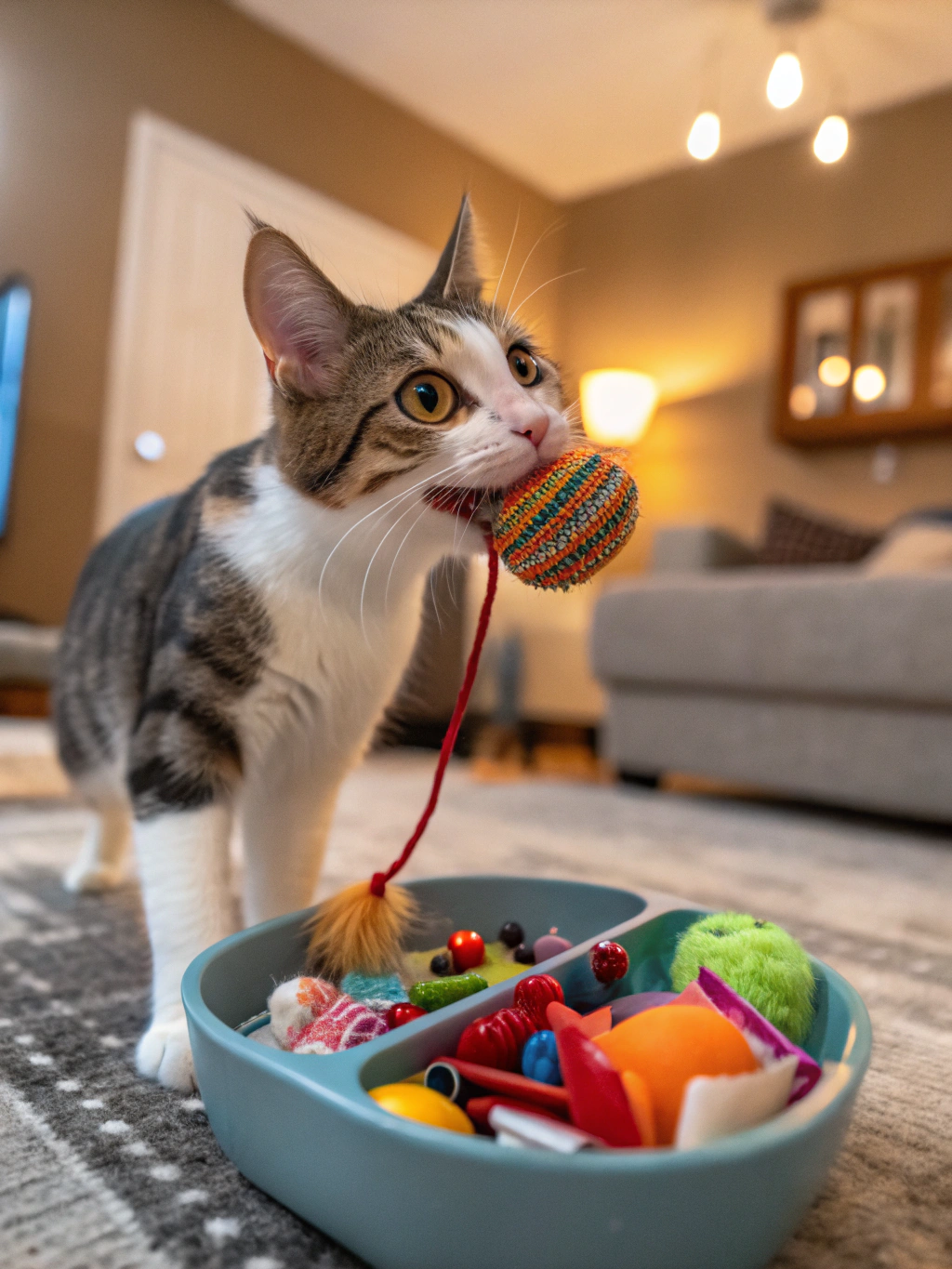
As devoted cat parents, we understand our feline companions have unique needs and behaviors. While cats are often perceived as independent creatures, their instincts drive them to engage in certain activities, including chewing. Providing appropriate outlets for these natural behaviors is crucial for their well-being, and this is where cat chew toys play a significant role. More than just a source of entertainment, these specially designed toys can be instrumental in maintaining your cat’s dental health, alleviating teething discomfort, and redirecting any potentially destructive chewing habits. Exploring the world of cat chew toys opens up a realm of benefits that contribute to a happier, healthier feline friend.
Why Your Cat Needs Chew Toys
Cats, much like dogs, have an innate need to chew. This behavior can manifest for various reasons, from the simple joy of play to essential physiological needs. Understanding these reasons helps us appreciate why offering specific chew toys is beneficial.
Dental Health and Fresh Breath
One of the most significant advantages of incorporating chew toys into your cat’s routine is their contribution to dental hygiene. Many cat chew toys are specifically designed with textured surfaces, nubs, or mesh fabrics that help to scrub away plaque and tartar as your cat chews. This action can massage their gums, promote healthy circulation, and contribute to fresher breath. Regularly engaging with these toys can be a proactive step in preventing dental diseases, which are common in cats and can lead to more serious health issues if left unaddressed.
Soothing Teething Discomfort
Kittens, much like human babies, go through a teething phase. During this time, their gums can become sore and inflamed as their adult teeth begin to emerge. Chew toys provide a safe and effective way for kittens to relieve this discomfort. The act of chewing on a toy can offer a satisfying counter-pressure, easing the irritation in their gums. Opting for softer, yet durable, chew toys is ideal for kittens experiencing teething.
Redirecting Destructive Chewing
Sometimes, cats may resort to chewing on inappropriate items, such as furniture, electrical cords, or houseplants, especially if they are bored or anxious. Providing designated cat chew toys can redirect this natural instinct towards acceptable targets. By offering a variety of textures and engaging toys, you satisfy their need to chew and explore with their mouths, thereby protecting your belongings and ensuring your cat’s safety. This redirection is particularly helpful for cats who may exhibit natural play behaviors like cat play fighting with their owners or other pets, offering them an appropriate outlet for their energy and instincts.
Types of Cat Chew Toys Available
The market offers a diverse range of cat chew toys, each designed with different materials and features to appeal to your cat’s specific preferences and needs.
Material-Based Chew Toys
- Dental Mesh Toys: These are often made from durable mesh fabric that is designed to withstand chewing while also providing a texture that helps clean teeth and gums.
- Rubber and Silicone Toys: Flexible and resilient, rubber or silicone toys are excellent for cats who enjoy a satisfying chew. Many feature nubs or ridges that further aid in dental cleaning.
- Fabric and Plush Toys: While seemingly less durable, many fabric toys are made with sturdy, bite-safe materials and can be infused with enticing scents like catnip to encourage play and chewing.
Ingredient-Infused Chew Toys
- Catnip and Silvervine Toys: Catnip and silvervine are natural attractants for many cats, significantly increasing their interest in a toy. Chew toys infused with these herbs can provide extended engagement and enjoyment. Silvervine sticks, in particular, offer a unique texture that many cats find irresistible for chewing and gnawing.
- Other Natural Materials: Some toys incorporate materials like matatabi, gall fruit, or even natural fibers like hemp rope, offering varied textures and natural appeal to cats.
Function-Specific Chew Toys
- Teething Toys: Designed with softer materials and ergonomic shapes, these are ideal for kittens experiencing discomfort from emerging teeth.
- Dental Chew Toys: These often feature specific patterns, textures, or ingredients aimed at maximizing plaque and tartar removal during chewing.
- Interactive Chew Toys: Some chew toys are designed to dispense treats or have features that encourage batting and chasing, combining chewing satisfaction with active play.
Choosing the Right Chew Toy for Your Feline Friend
Selecting the perfect chew toy involves considering several factors to ensure it meets your cat’s individual needs and preferences.
Age and Teething Stage
For kittens, prioritize softer, pliable toys that are easy to grip and chew, providing relief for sore gums. As your cat matures, you can introduce more durable options designed for adult cats.
Chewing Style and Strength
Observe your cat’s chewing habits. If your cat is a gentle nibbler, a wider variety of toys will be suitable. However, if your cat tends to be a more vigorous chewer, opt for toys made from robust materials like durable rubber or reinforced fabrics. For cats exhibiting strong chewing instincts, consider toys that can help redirect potentially destructive behaviors, such as those that might otherwise lead them to stop cats scratching carpet near door or other household items.
Material and Safety
Always choose toys made from non-toxic, pet-safe materials. Inspect toys regularly for signs of wear and tear, such as loose parts or stuffing that could be ingested. Damaged toys should be discarded immediately to prevent any choking hazards or internal injuries.
Ingredients and Attractants
Consider toys infused with catnip or silvervine if your cat responds well to these. These ingredients can significantly enhance a toy’s appeal and encourage more frequent and enthusiastic play.
Ensuring Safe Play and Supervision
While cat chew toys offer numerous benefits, responsible ownership includes ensuring safe play. Always supervise your cat, especially when introducing a new toy. Examine toys regularly for damage and remove any that are broken or pose a risk. It’s also beneficial to rotate toys periodically to keep your cat engaged and prevent boredom. For cats who are particularly active, toys that encourage varied play, even mimicking cats play fighting with humans in a safe context, can be beneficial.
Conclusion: A Simple Toy, A Healthier Cat
Cat chew toys are a simple yet effective tool for enhancing your cat’s overall well-being. By providing appropriate outlets for their natural chewing instincts, you can significantly contribute to their dental health, soothe teething discomfort in kittens, and prevent unwanted behaviors. With a wide array of options available, from dental-focused designs to those infused with natural attractants like catnip and silvervine, finding the perfect chew toy to delight your feline companion is well within reach. Remember to prioritize safety and supervision, ensuring that playtime remains a positive and beneficial experience for your beloved cat.
