
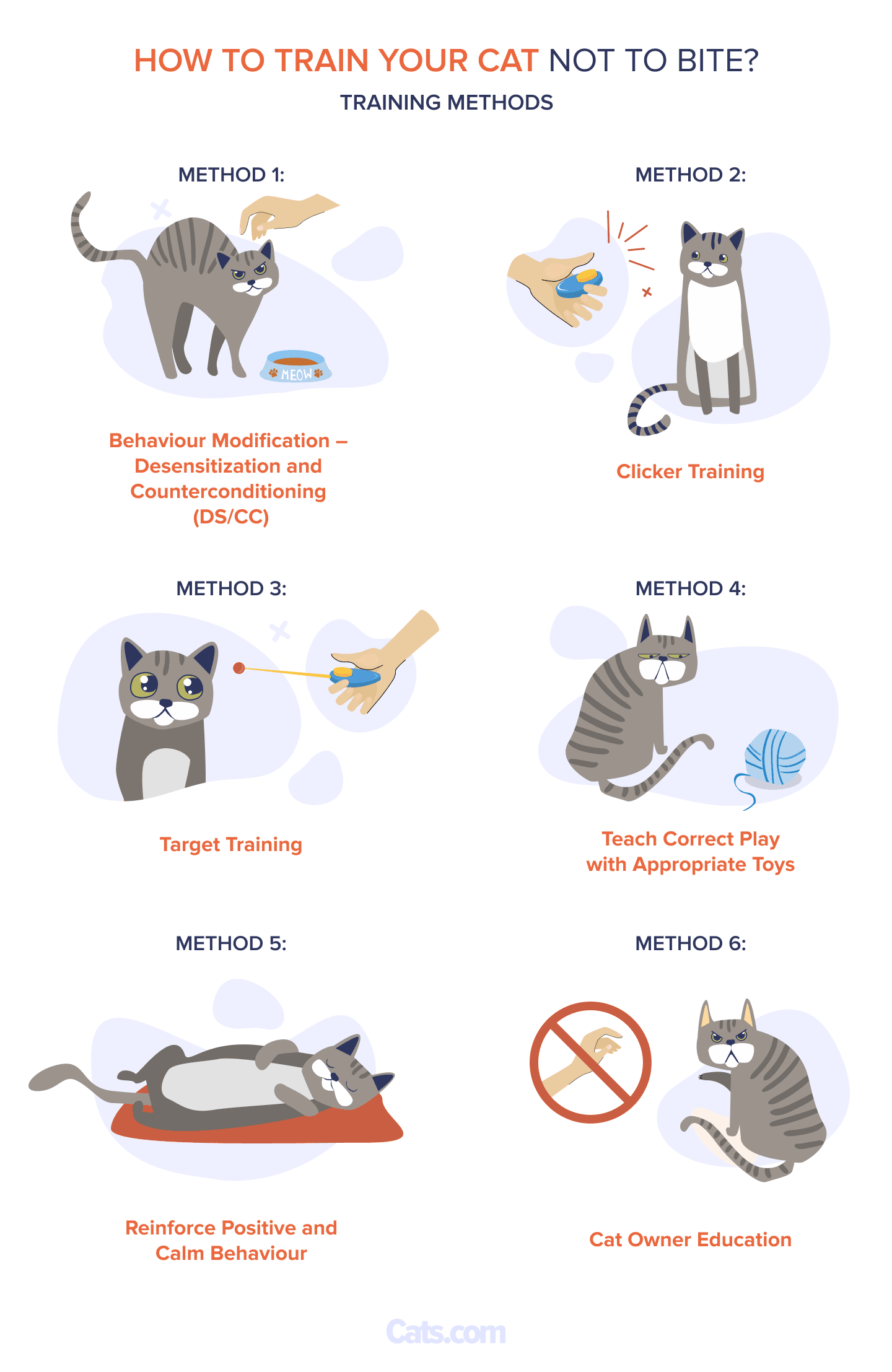
Bringing a new kitten into your home is an exciting experience, and it’s natural for these young felines to exhibit their inherent predatory instincts. Kittens often engage in biting and gnawing as they explore the world and practice their hunting skills, which typically begins around four weeks of age. While this behavior is normal, it’s crucial to redirect it from your hands and feet to appropriate toys to foster good habits from a young age. This guide will help you understand why kittens bite and how to effectively teach them to play gently.
Understanding Kitten Biting Instincts
Kittens are naturally wired to stalk, pounce, and bite moving objects. When they see your fingers wiggling or your feet moving, they often perceive them as prey. This innate drive to practice their predatory skills is why they may bite or gnaw on their human companions. Teaching them to direct these behaviors toward toys, rather than skin, is essential for their development and for ensuring a harmonious relationship with their human family, especially as they grow larger.
The Power of Interactive Play
To curb unwanted biting, it’s vital to provide kittens with ample opportunities to engage their hunting instincts on suitable targets. Interactive play is key. Toys that mimic prey, such as wand toys, crinkle balls, felt mice, and kicker toys, are excellent choices. Engage your kitten in play sessions multiple times a day, moving the toys in ways that encourage stalking, chasing, pouncing, and catching. After a successful “hunt,” allow your kitten to bite and “bunny kick” the toy, simulating a real kill. Conclude these sessions with a treat or meal to reinforce the satisfaction of a successful hunt, thereby rewarding their appropriate play behaviors.
Even when you’re not actively playing, keeping kicker toys accessible is a good strategy. If your kitten bites your hand or foot, calmly redirect their attention to a kicker toy instead of scolding them. The message should be “bite this,” rather than a simple “don’t bite.”
Discouraging Hand and Foot Play
It can be tempting to engage kittens in play using your fingers or feet, but this inadvertently teaches them that it’s acceptable to bite human skin. This habit can become problematic as kittens grow into larger cats. Kitten caregivers have a responsibility to establish good biting behaviors early on, as it is far easier to build a positive habit than to correct a deeply ingrained negative one. When a kitten attacks your hands or feet, the best approach is to disengage from the interaction and redirect them to an appropriate toy.
Essential Tips for Managing Kitten Biting
- Provide Ample Stimulation: Ensure your kitten has a variety of toys, including plush toys, wand toys, crinkle balls, and tunnels, to keep them entertained and mentally stimulated. Offer toys that mimic different types of prey to cater to their natural hunting instincts. You can even explore DIY toy options to add variety.
- Engage in Daily Play: Actively play with your kitten multiple times a day using toys that you can manipulate to move and flutter. Kittens rely on you to make toys enticing. If toys aren’t animated, your kitten may default to practicing hunting behaviors on your hands and feet.
- Reward Positive Behavior: Allow your kitten to successfully catch the toy and give them a chance to bite and kick it. Afterward, reward their efforts with a treat or meal. This positive reinforcement teaches them that they are accomplished hunters and reinforces desired play patterns.
- Consistent Redirection: Always redirect any biting directed at you towards an appropriate play object. For every “no,” offer an equally or more attractive “yes.” Instead of focusing on punishment, recognize that your kitten is seeking a specific type of stimulation and provide them with a suitable alternative. This approach helps satisfy their natural urges while keeping you bite-free.
Considering a Companion Kitten
If you have a single kitten, you might consider getting a second kitten. Kittens are often happier and better behaved when they have a companion to play with. They can engage in play-hunting together, expend their energy collectively, and even learn important biting boundaries from each other. Kittens often thrive and develop more appropriate social behaviors when raised in pairs.
