
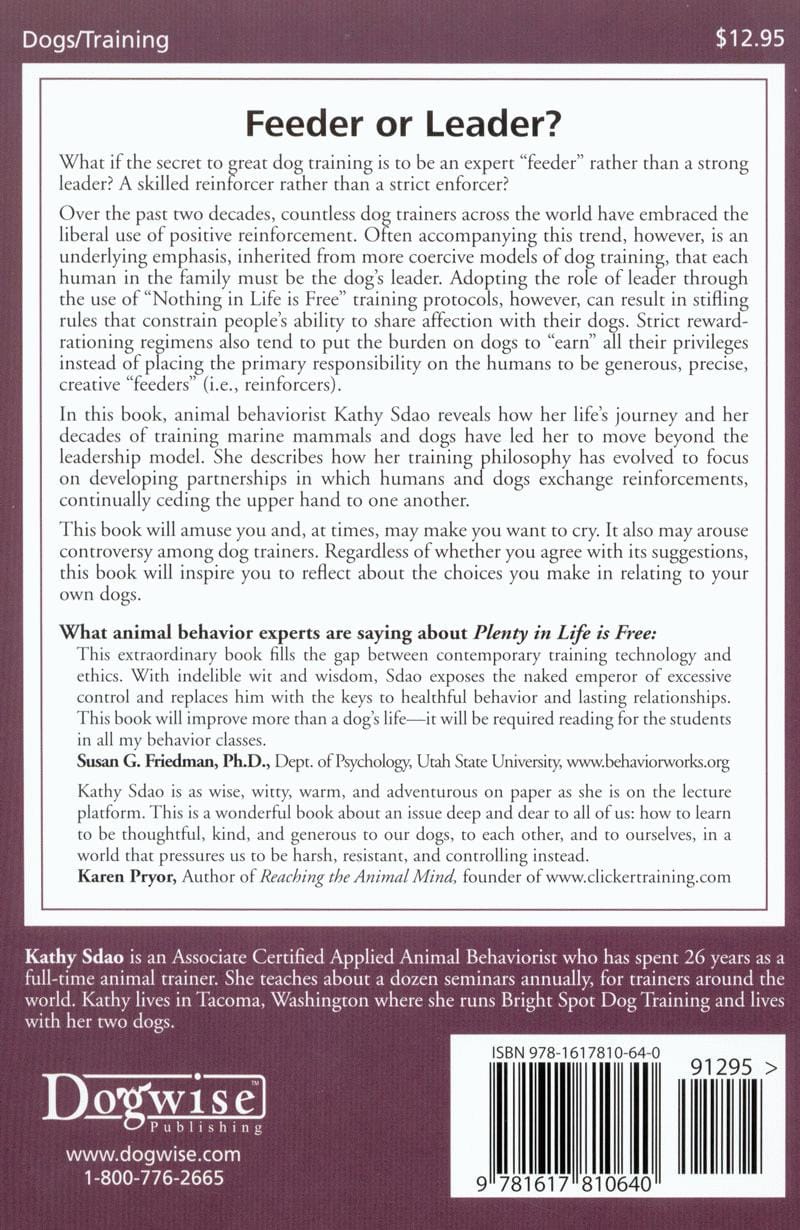
In the realm of dog training, a paradigm shift is emerging, moving away from the traditional “leader-follower” dynamic towards a more collaborative partnership. This new approach emphasizes positive reinforcement and generous reward systems, challenging long-held beliefs about human dominance in the human-animal bond. The core idea is to become a skilled “feeder” rather than a strict “enforcer,” fostering a relationship built on mutual respect and positive exchanges.
Embracing Positive Reinforcement
For decades, positive reinforcement has gained traction among dog trainers worldwide. However, an underlying emphasis on human leadership, often derived from more coercive training methods, can still influence modern practices. The “Nothing in Life Is Free” (NILIF) protocol, for instance, can impose restrictive rules that limit the natural expression of affection and attention between humans and their dogs. This model places the onus on dogs to “earn” their rewards, shifting the primary responsibility away from humans to be more abundant, precise, and creative in their use of reinforcement.
Renowned dog trainer Kathy Sdao, in her book “Plenty in Life is Free: Reflections on Dogs, Training, and Finding Grace,” advocates for a philosophy that moves beyond the leadership model. Through her extensive experience, including training marine mammals and dogs, Sdao champions the development of partnerships where humans and dogs engage in a continuous exchange of reinforcements, with neither party holding a permanent upper hand. This approach fosters a deeper, more nuanced relationship.
“This extraordinary book fills the gap between contemporary training technology and ethics. With indelible wit and wisdom, Sdao exposes the naked emperor of excessive control and replaces him with the keys to healthful behavior and lasting relationships.” – Susan G. Friedman, Ph.D., Utah State University.
Sdao’s work is lauded for its ability to bridge the gap between modern training techniques and ethical considerations. Animal behavior experts like Susan G. Friedman, Ph.D., highlight how Sdao effectively dismantles the notion of excessive control, offering instead a pathway to healthier behavior and enduring relationships. Similarly, Karen Pryor, founder of clickertraining.com, commends Sdao for her wisdom and warmth, encouraging a thoughtful, kind, and generous approach to our interactions with dogs, counteracting societal pressures towards harshness.
Kathy Sdao, an Associate Certified Applied Animal Behaviorist, brings over 26 years of dedicated animal training experience to her work. She conducts numerous seminars globally for fellow trainers and operates Bright Spot Dog Training in Tacoma, Washington, where she lives with her two dogs. Her book is not just a guide but a philosophical exploration of the human-dog relationship, encouraging trainers and pet owners to reconsider traditional methods.
The “Plenty in Life is Free” Philosophy
The core of Sdao’s philosophy is the concept of “Plenty in Life is Free” (PILIF), which stands in contrast to NILIF. Instead of withholding resources, PILIF encourages the generous distribution of rewards and positive interactions. This doesn’t mean a lack of structure, but rather a shift in how that structure is implemented—through positive association and reward rather than through perceived dominance.
Reviewers have noted the book’s unique perspective, with the Midwest Book Review describing it as a guide for training through reinforcement rather than forced behavior. James A. Cox highlights Sdao’s expertise in presenting her knowledge and insights into the human-dog relationship.
The APDT Chronicle of the Dog has hailed Sdao’s approach as “NextGen Dog Training,” giving pet owners permission to be more affectionate and less rigidly authoritative. This groundbreaking perspective challenges many ingrained beliefs within the dog training community, suggesting that being overly perfect or controlling can have negative side effects for dogs.
Sdao’s methodology builds upon existing positive reinforcement techniques, offering innovative ideas such as connecting desired behaviors with rewards through a clicker, effectively creating a win-win situation for both the dog and the trainer. Her book is described as a “seminar-in-a-book,” bringing her distinctive personality and practical advice directly to the reader. She skillfully anticipates counterarguments and offers clear explanations of reward timing and behavioral observation.
Ultimately, Sdao poses a fundamental question: are you a “leader” or a “feeder”? Her work encourages a move towards being a dispenser of positivity and rewards, fostering a stronger, more trusting bond with our canine companions. The principles extend beyond basic obedience, touching on the creation of a balanced and fulfilling relationship for both the human and the dog. While some readers may find the initial debunking of NILIF challenging, the subsequent introduction to PILIF offers a refreshing and effective alternative for dog training and companionship.
