
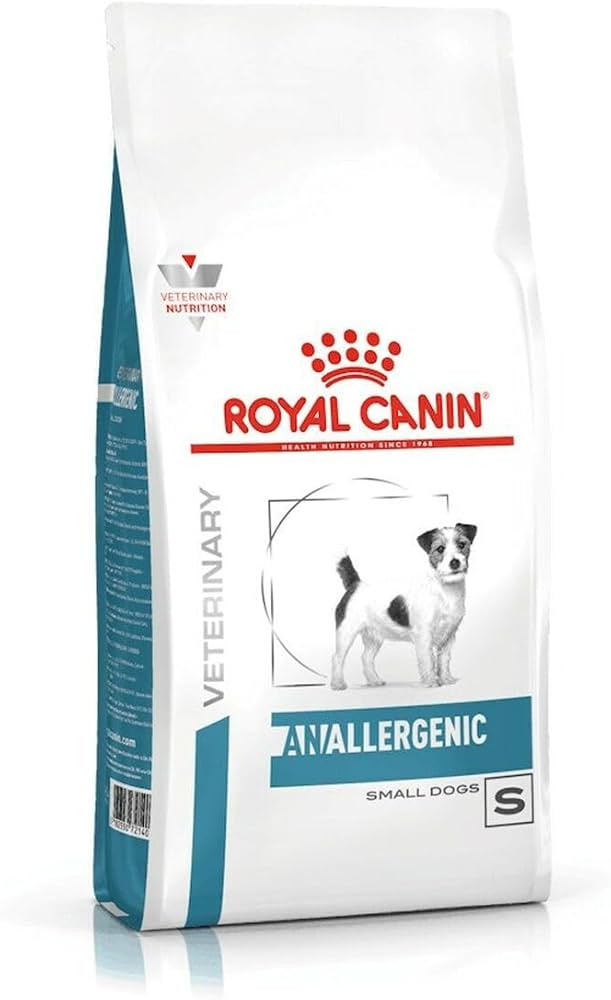
Watching your beloved dog or cat suffer from persistent itching, excessive licking, recurrent ear infections, or digestive issues can be distressing. If a food sensitivity or allergy is suspected, the journey to find relief can feel overwhelming, especially with a finicky eater. Common protein sources like beef, chicken, dairy, and wheat are frequent culprits behind these sensitivities due to repeated exposure. This often leads veterinarians to recommend a novel protein diet. But what exactly constitutes a “novel” protein, and can a switch to options like venison or rabbit truly make a difference for your pet? This guide will explore the growing popularity of novel protein diets, explain why they are effective, discuss common protein choices, and offer advice on selecting the best diet for your furry companion.
What Exactly is a “Novel” Protein?
The term “novel protein” might sound unfamiliar, but in the context of pet nutrition, it simply means a protein source that your individual dog or cat has never consumed before. The key is that this protein must be entirely new to your pet’s immune system. For instance, if your dog has consistently eaten chicken and rice for years, chicken is considered a common protein. However, if they have never tried duck, then duck is a novel protein for them. The majority of food-related allergic reactions in pets stem from common ingredients they consume regularly. Since many of these are protein sources, they become the primary focus when addressing sensitivities. These proteins aren’t inherently bad; their frequent consumption allows the immune system to develop a sensitivity over time.
Exploring Novel Protein Options
Fortunately, the variety of protein options available for pets has expanded significantly. This makes it easier than ever to find a protein source your pet hasn’t encountered.
- Less Common Meats: Venison, bison, rabbit, and kangaroo are increasingly featured in specialized pet foods.
- Alternative Poultry/Fish: Duck, quail, and less common fish like catfish or certain whitefish varieties offer new protein avenues.
- Emerging Protein Sources: Even more unique options, such as insect-based proteins (like crickets or black soldier fly larvae), are becoming available and are novel to virtually all pets.
Novel Protein Diets vs. Limited-Ingredient Diets
While often discussed together, novel protein diets and limited-ingredient diets are distinct. Limited-ingredient diets aim to reduce the overall number of ingredients in a food to simplify identification and exclusion of triggers. Novel protein diets, on the other hand, focus specifically on the type of protein. Often, the most effective elimination diets combine both approaches, featuring a limited ingredient list with a novel protein source. For example, a rabbit and potato formula. It’s crucial to always check the protein source against your pet’s complete dietary history, including treats, to ensure it’s truly novel.
The Science Behind Novel Protein Diets
How does a simple switch from chicken to kangaroo alleviate chronic itching and stomach upset? It boils down to how your pet’s immune system functions. Food allergies or sensitivities are essentially a case of mistaken identity by the immune system. As proteins are digested, they break down into smaller peptides. The immune system differentiates between beneficial nutrients and potential threats. In most pets, this system works efficiently. However, in sensitive pets, the immune system may mistakenly flag a common protein as a threat after repeated exposure. Subsequent consumption triggers an inflammatory response—an allergic reaction.
When a novel protein is introduced, this unwanted immune response is bypassed. Proteins like duck or rabbit have a different chemical structure than common triggers like beef or chicken. Since the immune system has no prior “memory” or antibodies against this new protein, it doesn’t recognize it as a threat. Instead, it’s processed as a safe source of nutrition. This break allows your pet’s body to heal. By strictly removing the trigger protein, inflammation in the gut and skin begins to subside, resolving uncomfortable symptoms like itching and digestive upset. This “reset” also allows you to definitively confirm a food allergy. If symptoms improve on the novel protein diet and return upon reintroducing the old protein, the allergen is identified.
Hydrolyzed Diets: A Related Alternative
While not strictly novel proteins, hydrolyzed protein diets are another veterinary recommendation for food sensitivities. In these diets, proteins (often chicken or soy) are broken down into microscopic pieces using water (hydrolysis). These pieces are too small for the pet’s immune system to recognize as the original protein, effectively bypassing the allergic trigger while still providing nutritional benefits.
