
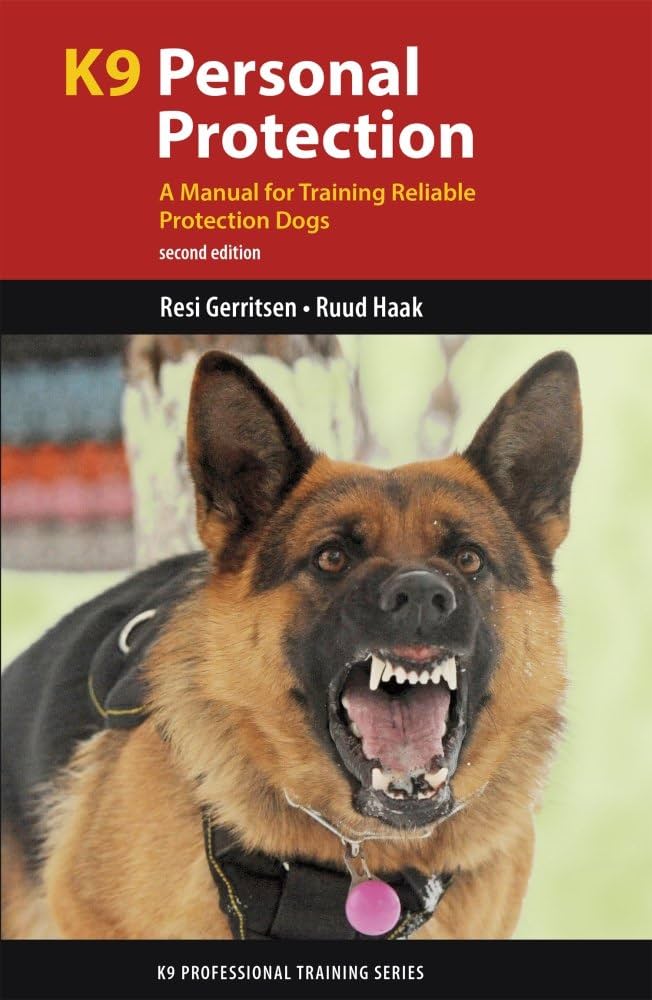
Understanding and implementing effective K9 Control Dog Training is crucial for any dog owner. It’s not just about teaching your dog commands; it’s about building a strong, communicative bond based on trust and mutual respect. Whether you’re dealing with a boisterous puppy or a mature dog with established habits, the principles of K9 control remain the same: clear communication, consistent reinforcement, and a deep understanding of canine behavior. This guide will walk you through the essentials of K9 control dog training, from foundational commands to addressing common challenges, ensuring your dog is a well-behaved and cherished member of your family.
The Foundation of K9 Control: Building Trust and Communication
At its core, K9 control dog training is about clear communication. Dogs don’t speak our language, so we need to learn theirs and establish a system they can understand. This begins with building a foundation of trust. Your dog needs to see you as a consistent, fair leader who provides for their needs and ensures their safety.
Understanding Canine Communication
Dogs communicate through a complex system of body language, vocalizations, and scent. Learning to read these signals is the first step in effective K9 control dog training. A wagging tail, for example, doesn’t always mean happiness; it can indicate excitement, nervousness, or even agitation depending on the context and the rest of the dog’s body language.
- Body Posture: A relaxed dog will have a loose, wiggly body. A tense dog might stand stiffly, with a high, possibly quivering tail.
- Facial Expressions: Ears pinned back, lip licking, or yawning can signal stress or appeasement. Direct eye contact can be a challenge or a sign of focus, depending on the situation.
- Vocalizations: Barks, growls, and whines all have different meanings. Understanding the nuances can help you de-escalate situations or identify when your dog needs reassurance.
Establishing Leadership
Effective K9 control dog training involves establishing yourself as the leader in a positive and humane way. This doesn’t mean dominance or harsh punishment, but rather setting clear boundaries and expectations.
- Consistency is Key: Everyone in the household must be on the same page with rules and commands. Inconsistency confuses dogs and hinders progress.
- Positive Reinforcement: Reward desired behaviors immediately with praise, treats, or toys. This makes the dog more likely to repeat those behaviors.
- Clear Commands: Use short, distinct words for commands and ensure they are always followed by the same action. For instance, “Sit” should always mean the dog should put its rear end on the ground.
Essential K9 Control Dog Training Commands
Mastering a few key commands is fundamental to K9 control dog training. These commands not only help manage your dog’s behavior but also strengthen your bond and enhance your dog’s safety.
1. Sit
The “Sit” command is often the first one taught and is a foundational behavior for many others.
- How to Teach:
- Hold a treat near your dog’s nose.
- Move the treat up and back over their head. As their nose follows the treat, their rear end should naturally lower into a sit.
- As soon as their rear touches the ground, say “Sit” and give them the treat and praise.
- Repeat this several times in short sessions.
2. Stay
“Stay” teaches impulse control and is vital for safety, preventing your dog from running into dangerous situations.
- How to Teach:
- Ask your dog to “Sit.”
- Hold your hand up, palm facing your dog, and say “Stay.”
- Take one step back. If your dog remains seated, return and reward them.
- Gradually increase the distance and duration you ask them to stay. If they move, simply put them back in the original position without punishment and try again with a shorter distance.
3. Come (Recall)
A reliable recall is arguably the most important command for your dog’s safety. This is where best dog training videos youtube can offer visual guidance.
- How to Teach:
- Start in a quiet, enclosed area.
- Get down low and excitedly say your dog’s name followed by “Come!”
- When they come to you, reward them enthusiastically with praise and a high-value treat.
- Never call your dog to punish them. This will make them associate coming to you with negative experiences.
- Gradually increase distractions and practice in different environments.
4. Down
The “Down” command encourages relaxation and is useful for settling your dog in various situations.
- How to Teach:
- Ask your dog to “Sit.”
- Hold a treat near their nose and slowly lower it towards the floor between their front paws, then slightly away from them.
- As they follow the treat down, say “Down.”
- Reward them when they are fully in a down position.
5. Leave It
“Leave It” is critical for preventing your dog from picking up dangerous or undesirable items.
- How to Teach:
- Place a low-value treat on the floor and cover it with your hand. Let your dog sniff or paw at your hand.
- The moment they pull away or stop trying to get the treat, say “Leave It” and give them a different, higher-value treat from your other hand.
- Progress to placing the treat on the floor uncovered, then gradually introduce more tempting items.
Advanced K9 Control Dog Training Techniques
Once your dog has a solid grasp of the basic commands, you can move on to more advanced K9 control dog training techniques that further refine their behavior and your communication.
Loose-Leash Walking
Walking your dog without them pulling on the leash is a common goal. This requires teaching your dog to walk politely by your side.
- Techniques:
- Reward Slack: Reward your dog with treats and praise whenever the leash is slack.
- Stop When Pulling: If your dog pulls, immediately stop walking. Only resume when the leash loosens.
- Change Direction: If your dog pulls ahead, turn and walk in the opposite direction.
- Use the Right Equipment: Consider a front-clip harness or head halter, which can provide better control without causing pain.
Impulse Control Exercises
Beyond “Stay” and “Leave It,” various impulse control exercises help dogs manage their excitement and desires. These are crucial for preventing unwanted behaviors like jumping on guests or counter-surfing. For owners in specific areas, resources like k9 control training dog training charleston sc can provide localized professional help.
- Examples:
- Wait for Food: Have your dog wait calmly before their food bowl is placed on the floor.
- Controlled Greetings: Teach your dog to sit politely when guests arrive, rather than jumping.
Socialization
Proper socialization is a form of K9 control dog training that happens primarily during puppyhood but can continue throughout a dog’s life. Exposing your dog to various sights, sounds, people, and other animals in a positive way helps them become well-adjusted and less fearful or reactive.
- Key Elements:
- Variety: Expose them to different breeds, sizes, ages, and temperaments of dogs.
- Environments: Visit parks, pet stores, and quiet streets.
- People: Introduce them to people of different ages, appearances, and gaits.
- Sounds: Gradually expose them to common household and environmental noises.
Addressing Common Challenges in K9 Control Dog Training
Even with the best intentions, challenges can arise. Understanding common issues and how to address them is part of comprehensive K9 control dog training.
Excessive Barking
Barking is a natural form of canine communication, but excessive barking can be disruptive.
- Causes: Boredom, attention-seeking, territoriality, anxiety, or medical issues.
- Solutions:
- Identify the Trigger: Determine why your dog is barking.
- Ignore Attention Barking: If your dog barks for attention, ignore them until they are quiet for at least a few seconds, then reward.
- Manage Territorial Barking: Block views from windows, use white noise to mask outdoor sounds, and teach a “Quiet” command.
- Provide Enrichment: Ensure your dog gets enough physical and mental stimulation through exercise, puzzle toys, and training sessions. If you’re looking for dedicated care, dog daycare and train near me can be a great option.
Jumping on People
This is a common issue, especially with enthusiastic dogs.
- Solutions:
- Disengage: Turn your back and ignore the dog when they jump. Only give attention when all four paws are on the floor.
- Reward Calmness: Greet your dog only when they are calm and have all paws on the ground.
- Teach an Alternative Behavior: Train your dog to “Sit” for greetings.
Separation Anxiety
Some dogs experience distress when left alone. This is a serious issue that often requires professional intervention.
- Signs: Destructive behavior, excessive barking or howling, house soiling when left alone.
- Management:
- Desensitization: Gradually accustom your dog to your departures, starting with very short absences.
- Provide Distractions: Leave puzzle toys or long-lasting chews.
- Consult a Professional: For severe cases, a certified K9 trainer or veterinary behaviorist is recommended. Resources like k9 elite dog training may offer specialized programs.
The Long-Term Benefits of K9 Control Dog Training
Investing time and effort into K9 control dog training yields significant rewards:
- Improved Safety: A well-trained dog is less likely to run into traffic, ingest harmful substances, or get into fights.
- Stronger Bond: Training strengthens the communication and trust between you and your dog, leading to a deeper relationship.
- Better Behavior: A trained dog is a pleasure to live with, reducing stress for both the owner and the dog.
- More Freedom: Well-behaved dogs often have more freedom, such as being allowed off-leash in appropriate areas or accompanying their owners on more outings.
- Enhanced Well-being: Mental and physical exercise involved in training contributes to your dog’s overall happiness and health.
Whether you’re new to dog ownership or looking to refine your skills, remember that K9 control dog training is an ongoing journey. Patience, consistency, and positive reinforcement are your most valuable tools. By understanding your dog’s needs and communicating effectively, you can foster a harmonious relationship and enjoy the companionship of a well-behaved K9 companion for years to come.
