
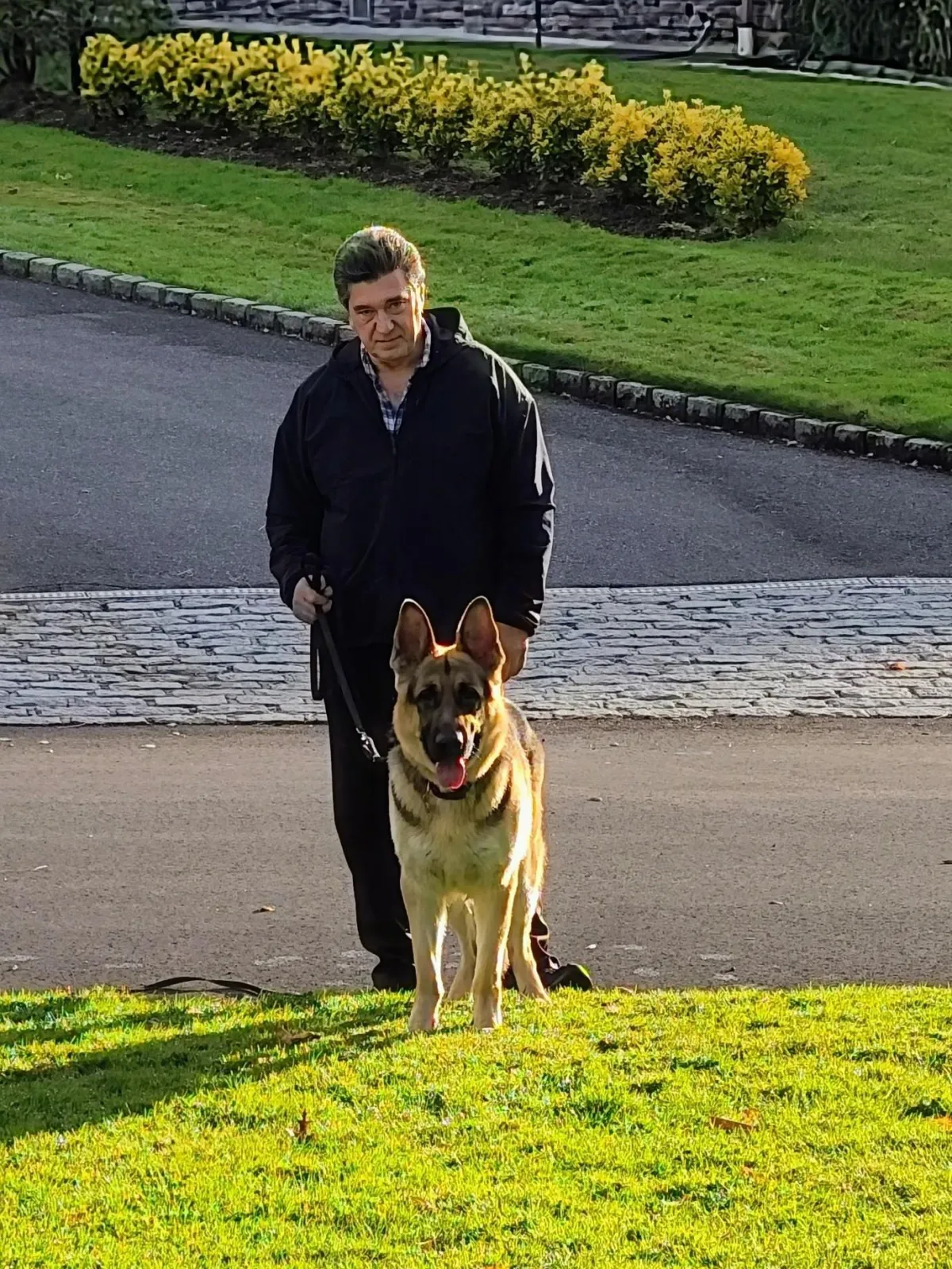
The journey of dog ownership is a rewarding one, filled with companionship, loyalty, and endless joy. However, it also comes with the responsibility of guidance and training. For many, the concept of “alpha dog training” brings to mind images of dominance and control. While the term itself can be a bit of a misnomer in modern canine behavior science, the principles behind establishing clear leadership and effective communication are vital for a well-behaved and happy dog. This is where K9 Alpha Dog Training, when understood and applied ethically, plays a crucial role in shaping a well-adjusted canine companion.
At its core, understanding your dog’s needs and establishing a clear, consistent leadership role is paramount. This isn’t about being harsh or using outdated dominance tactics; it’s about building a trusting relationship where your dog understands their role within the family unit and looks to you for direction. Effective K9 alpha dog training focuses on positive reinforcement, clear communication, and understanding canine behavior to foster a harmonious partnership.
Understanding the “Alpha” Concept in Modern Dog Training
The term “alpha” was popularized in the past, often associated with wolves in the wild. However, scientific research has shown that wolf packs are typically family units led by the breeding pair, not a constant struggle for dominance. Similarly, in domestic dogs, the concept of a rigid “alpha” hierarchy has evolved. Modern K9 alpha dog training shifts the focus from forced submission to building a partnership based on mutual respect and clear communication.
Instead of viewing yourself as a dictator, think of yourself as a benevolent leader. This means providing structure, setting boundaries, and consistently reinforcing desired behaviors. Your dog needs to understand what is expected of them, and this clarity comes from you. It’s about guiding your dog through life with confidence and consistency, much like a responsible parent guides a child. This approach fosters a secure environment for your dog, reducing anxiety and promoting a more stable temperament. For those interested in delving deeper into this philosophy, exploring resources on alpha love dog training can offer valuable insights into ethical leadership.
Key Principles of Ethical K9 Leadership
- Consistency is Key: Dogs thrive on routine and predictability. Whether it’s a command, a house rule, or a reward, ensure everyone in the household is on the same page. Inconsistent signals can confuse your dog, leading to frustration and behavioral issues.
- Positive Reinforcement: Rewarding good behavior is far more effective than punishing unwanted actions. When your dog does something right, acknowledge it with praise, treats, or a favorite toy. This strengthens the desired behavior and builds a positive association with training.
- Clear Communication: Dogs don’t speak human. Learn to read their body language and use clear, concise verbal cues and hand signals. Avoid ambiguity; a sharp “sit” is more effective than a long, drawn-out sentence.
- Establish Boundaries: Just as humans have rules, dogs need to understand what is acceptable behavior. This might include waiting for food, not jumping on furniture, or respecting personal space. Setting these boundaries calmly and consistently is crucial.
- Meeting Their Needs: A well-trained dog is often a dog whose needs are met. Ensure your dog gets adequate exercise, mental stimulation, socialization, and proper nutrition. A tired dog is often a well-behaved dog.
The Role of K9 Alpha Dog Training in Behavior Modification
When dealing with specific behavioral challenges, the principles of K9 alpha dog training can be instrumental. For instance, understanding and managing dominant dog behavior towards other dogs often requires a confident and consistent approach from the owner. This doesn’t mean asserting dominance aggressively, but rather calmly redirecting the dog’s energy and clearly communicating that certain behaviors are not acceptable.
Consider a scenario where a dog is exhibiting resource guarding. Instead of allowing the behavior to escalate, an owner practicing ethical K9 leadership would calmly and confidently intervene, teaching the dog that their resources are secure and they don’t need to be possessive. This often involves desensitization and counter-conditioning techniques, guided by a firm but fair hand. Similarly, addressing issues like excessive barking or leash reactivity can benefit from a structured approach that reinforces calm and controlled responses.
Addressing Common Behavioral Challenges
- Jumping: Instead of pushing your dog down, teach them that jumping only stops attention. Stand still, turn away, and only engage when all four paws are on the floor. Reward this calm behavior.
- Excessive Barking: Identify the trigger. If it’s boredom, increase exercise and mental stimulation. If it’s territorial, work on desensitization and rewarding quiet behavior.
- Leash Pulling: Teach your dog that pulling gets them nowhere. Stop walking the moment they pull, and only resume when the leash is slack. Reward walking nicely by your side.
- Chewing: Provide appropriate chew toys and redirect chewing from furniture to these items. Ensure your dog has enough outlets for their chewing instincts, especially puppies.
Finding the Right K9 Alpha Dog Training Professional
Navigating the world of dog training can be overwhelming. If you’re seeking professional guidance, it’s essential to find a trainer who aligns with modern, ethical K9 leadership principles. Look for trainers who emphasize positive reinforcement, clear communication, and understanding canine behavior. Avoid anyone who promotes harsh methods, intimidation, or outdated dominance theories without a solid scientific basis.
Many reputable trainers offer programs that can help you establish yourself as a confident leader for your dog. Services like those offered by alpha dog k9 training medway or atlanta dog trainer alpharetta ga can provide tailored solutions for your specific needs. A good trainer will assess your dog’s individual temperament and your lifestyle to create a customized training plan. They will not only work with your dog but also empower you with the knowledge and skills to continue the training effectively at home.
What to Look for in a Dog Trainer:
- Credentials and Experience: Check for certifications from recognized canine behavior organizations and inquire about their experience with your dog’s breed or specific issues.
- Training Philosophy: Ensure their methods are humane, science-based, and focus on positive reinforcement. Ask about their approach to common problems.
- Communication Style: A good trainer will communicate clearly with you, explain their methods, and be patient in answering your questions.
- Testimonials and Reviews: Look for feedback from other clients to gauge their success and reputation.
- Assessment: They should be willing to assess your dog’s behavior and temperament before recommending a specific training program.
The Lifelong Benefits of Effective K9 Leadership
Investing time and effort into K9 alpha dog training, understood through the lens of ethical leadership, yields profound benefits. It’s not just about having a dog that walks nicely on a leash or obeys commands; it’s about building a deeper bond, fostering mutual respect, and ensuring your dog can navigate the human world safely and confidently. A well-trained dog is a happier dog, less prone to anxiety and destructive behaviors, and more integrated into family life.
The “alpha” in K9 alpha dog training is not a title to be claimed through force, but a role to be earned through consistent leadership, clear communication, and a deep understanding of your canine companion. By embracing these principles, you can unlock your dog’s full potential, creating a harmonious and fulfilling relationship that lasts a lifetime. This journey of understanding and partnership is what truly defines the “Dog Care Story.”
