
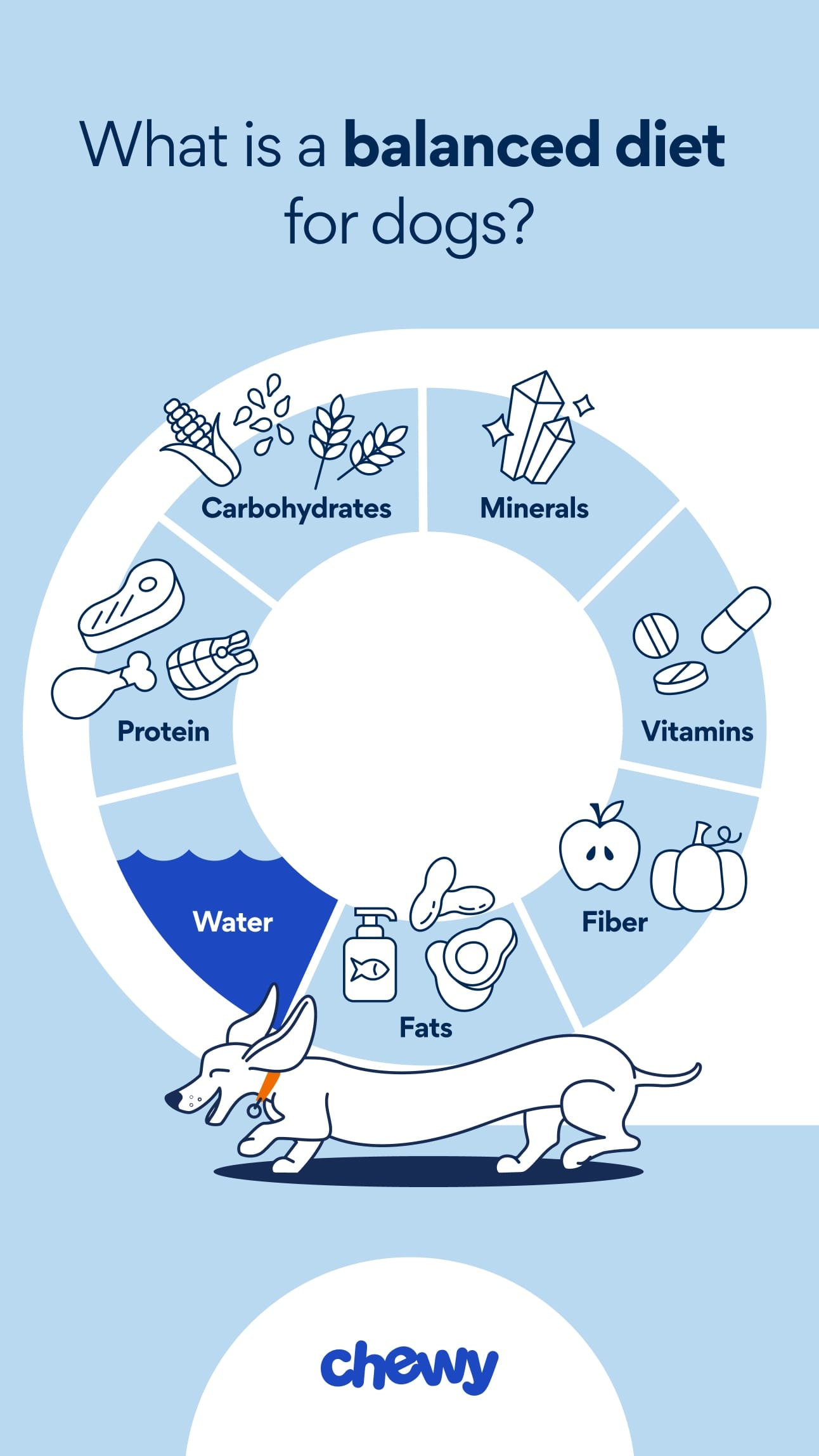
Arthritis in dogs can significantly impact their quality of life, but nutrition plays a pivotal role in managing this condition. A well-tailored diet can reduce inflammation, aid joint repair, maintain a healthy weight, and complement other treatments, ultimately keeping your dog active and comfortable.
Foods to Approach with Caution
When curating a diet for your arthritic dog, it’s vital to identify foods that might worsen their condition. Avoid items that can exacerbate joint issues, promote inflammation, or lead to weight gain, which adds extra strain to their joints. Some foods to be mindful of include fatty meats, processed foods high in salt or sugar, and fried or greasy foods. Additionally, be aware of potential allergens or food intolerances that could worsen joint swelling or other inflammatory responses. Always consult your veterinarian before making significant dietary changes, as they can offer guidance on appropriate nutrition and identify beneficial joint-supporting nutrients.
Key Supplements for Joint Health
Beyond a balanced diet, several dietary supplements can significantly support joint health and alleviate arthritis symptoms in dogs.
Glucosamine and Chondroitin
Glucosamine and chondroitin are naturally occurring substances in cartilage that help maintain its structure and function. Supplements containing these compounds may slow arthritis progression, reduce joint inflammation, and promote joint repair. While scientific evidence varies, many owners and veterinarians report improvements in joint mobility and comfort. It’s crucial to choose high-quality supplements from reputable manufacturers and discuss any new regimen with your vet.
Omega-3 Fatty Acids
Omega-3 fatty acids, often sourced from fish oil or algae, are renowned for their anti-inflammatory properties. Incorporating omega-3 supplements can help reduce joint pain and swelling, thereby enhancing comfort and mobility. Always seek veterinary advice for appropriate dosage. Opt for high-quality omega-3 supplements specifically formulated for dogs, as some human supplements may contain harmful ingredients.
Other Beneficial Supplements
Additional supplements that may support joint health include MSM (methylsulfonylmethane) for its anti-inflammatory effects, green-lipped mussel (a natural source of beneficial compounds), and antioxidants like vitamins C and E to combat oxidative stress in the joints. Always discuss potential supplements with your veterinarian to ensure safety and efficacy. Remember, supplements should complement, not replace, veterinary care.
The Role of Collagen and Probiotics
Collagen, a vital protein for connective tissues, supports joint repair and reduces inflammation. Bone broth is a natural source of collagen, and hydrolyzed collagen supplements are available for easier absorption. Probiotics also play a role by improving gut health, which can reduce overall body inflammation, including in the joints. Adding probiotic supplements or foods like kefir and plain yogurt can be beneficial, aiding in the absorption of essential minerals like calcium and magnesium.
Understanding Dog Food Options
When selecting food for your dog, understanding different types and ingredients is essential. Options include dry food, canned food, and specialized diets.
Dry Dog Food
Dry dog food is popular for its convenience and cost-effectiveness. High-quality formulas often include premium protein sources like chicken meal and salmon meal, crucial for muscle health. Key ingredients to look for include chicken meal, salmon meal, and egg product. Creating homemade dry food recipes can offer control over ingredients, focusing on high-quality animal protein, healthy fats, and fiber-rich components like flaxseed or pumpkin. Choosing foods with natural ingredients and nutrient-dense ingredients is paramount for optimal health.
Canned Dog Food
Canned dog food is valued for its high moisture content and palatability, providing dogs with hydration and essential nutrients. It often features nutrient-dense animal ingredients and high-quality animal protein. Benefits include enhanced flavor, better hydration, and varied textures to encourage picky eaters.
Understanding Meal-Based Ingredients
Terms like “product meal” and “meat meal” on labels indicate concentrated protein sources. For example, fish meal is rich in omega-3 fatty acids beneficial for joint health. Other meal ingredients include meat meal for protein and animal fat for energy.
Creating a Balanced Diet for Your Arthritic Dog
Beyond general nutrition, specific dietary considerations can greatly assist arthritic dogs.
Partnering with Your Veterinarian
Your vet is your primary resource for designing an arthritis-friendly diet. They can assess your dog’s unique nutritional needs, recommend appropriate foods and supplements, monitor their progress, and guide portion control for weight management.
Homemade vs. Commercial Diets
Both homemade and commercial diets can be effective. Homemade meals offer ingredient control, ideal for allergies, but require careful planning to avoid deficiencies. High-quality commercial dog foods are often formulated with joint support in mind, including nutrients like glucosamine, chondroitin, and omega-3 fatty acids. Always read labels, avoid high-grain, high-carbohydrate formulas, and confirm with your vet that the chosen diet meets your dog’s specific needs.
Holistic and Natural Additions
Natural remedies can provide additional support. Potent anti-inflammatories like turmeric and Boswellia Serrata can ease joint pain. Green-lipped mussel extract is another beneficial source of joint-supporting compounds. Always consult your vet before introducing new supplements.
Alternative Therapies
Alternative therapies such as acupuncture can improve blood flow, reduce inflammation, and alleviate pain. Vet-approved CBD oil may also offer relief from chronic pain and inflammation when used under veterinary supervision.
Choosing Optimal Protein Sources
Protein quality is crucial for managing arthritis. Lean meats like turkey, chicken, and certain beef cuts are easier on joints than fatty red meats. Proteins rich in omega-3s, such as salmon and sardines, are excellent for fighting inflammation and supporting mobility. Maintaining a healthy weight is paramount, as even small reductions can significantly decrease pressure on arthritic joints.
Vegetarian Diets for Joint Health
While dogs are omnivores, a carefully formulated vegetarian diet can support joint health. Plant-based proteins like lentils, peas, and chickpeas can be used, fortified with glucosamine and algae-derived omega-3s. Working with a veterinary nutritionist is essential to avoid deficiencies and ensure the diet doesn’t aggravate arthritis.
The Bottom Line
Nutrition is a cornerstone of arthritis care for dogs. By collaborating with your veterinarian, selecting high-quality ingredients, and considering supportive therapies, you can significantly enhance your dog’s comfort, mobility, and overall quality of life.
