
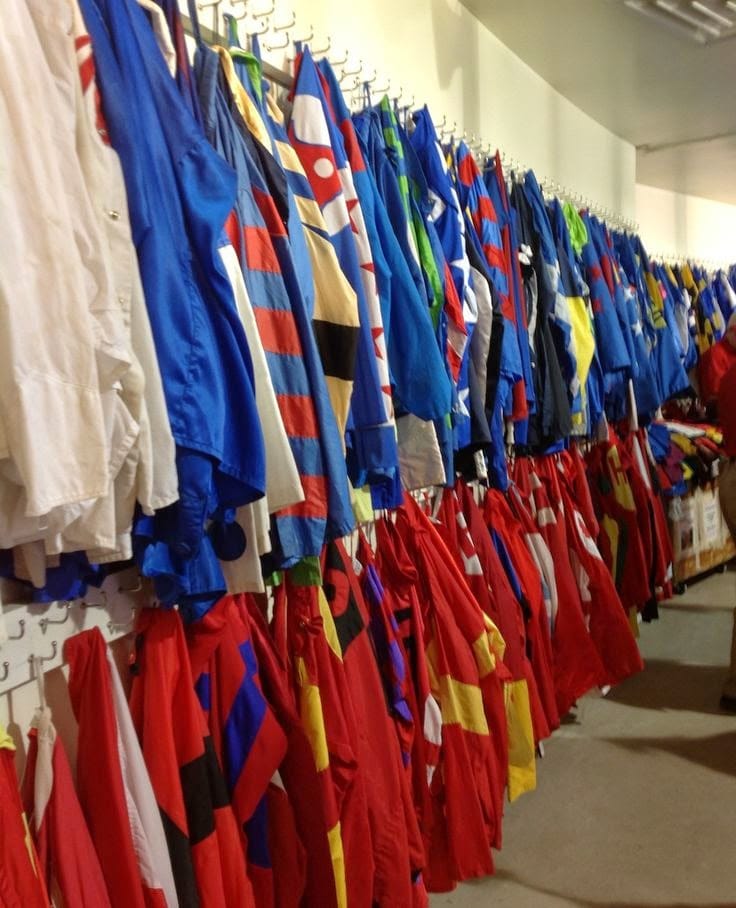
Horse racing is a sport steeped in tradition, and perhaps nowhere is that more evident than in the vibrant and distinctive jockey outfits, commonly known as silks. These aren’t just for show; they are a crucial part of the racing world, serving practical purposes and carrying historical significance. From the dazzling patterns to the specific rules governing their use, jockey silks tell a story of heritage, identity, and the thrilling spectacle of the race. Understanding these outfits offers a deeper appreciation for the sport and the individuals who compete in it.
The evolution of jockey silks is as rich as the history of horse racing itself. Initially, jockeys wore simple caps and shirts, but as the sport gained popularity and organized racing began in the 17th and 18th centuries, the need for clear identification of each horse and rider became paramount. This led to the development of distinct colors and patterns, allowing spectators, officials, and bettors to easily distinguish between the competitors on the track. The system of registering these silks, which continues to this day, ensures that each owner or racing stable has a unique combination, preventing confusion and maintaining the integrity of the races. This tradition is a cornerstone of the sport, linking modern racing to its historical roots and adding to the visual drama of every event.
The Anatomy of Racing Silks: More Than Just Pretty Colors
Jockey silks are meticulously designed, with each component playing a role. The ensemble typically includes a cap, a jersey (or “shirt”), and often breeches.
Caps: Topper of the Uniform
The cap, or helmet, is perhaps the most recognizable part of the jockey’s attire. It’s not merely decorative; it’s a vital piece of safety equipment designed to protect the rider’s head. In terms of design, the cap often mirrors the primary color of the jersey or complements it. Sometimes, a distinguishing stripe or a specific pattern on the cap can further aid in identification. The practicality of the cap, combined with its visual connection to the rest of the silks, makes it an indispensable element of the jockey’s uniform. The evolution of safety standards has led to more advanced helmet designs, ensuring that protection remains a top priority.
Jerseys: The Canvas of Identity
The jersey is where the most elaborate designs are found. It’s the primary medium for displaying the owner’s or stable’s unique silks. These designs can range from simple solid colors to complex patterns involving stripes, diamonds, stars, or even more intricate imagery. The rules for silks are stringent: each combination must be registered with the relevant racing authority to ensure no two owners share the same design. This prevents confusion during races, which is critical for officials, handicappers, and the betting public. The visual impact of these colorful jerseys against the green turf or dirt track is a hallmark of horse racing, adding a dynamic and often breathtaking visual element to the sport. The choice of colors and patterns can sometimes reflect the owner’s personality or the heritage of the stable, adding another layer of meaning to these distinctive garments. Many owners take great pride in their silks, viewing them as a representation of their racing legacy and a symbol of their commitment to the sport.
Breeches: Functionality Meets Form
While often overshadowed by the jerseys, the breeches are equally important. Traditionally, jockeys wear white or off-white breeches. These provide a neutral backdrop that makes the colorful jerseys stand out even more. Functionally, breeches are designed to be durable and comfortable, allowing the jockey the freedom of movement required for the physically demanding task of riding. They are typically made from sturdy materials that can withstand the rigors of racing. In some cases, breeches might feature subtle detailing that ties into the overall silk design, but their primary role is one of functional support and visual harmony with the rest of the jockey’s attire. The combination of these elements creates a unified and identifiable look for each horse and rider combination.
The Significance of Silks in Racing
Beyond their visual appeal and identification purposes, jockey silks hold a deeper significance within the world of horse racing. They are symbols of ownership, tradition, and the competitive spirit that drives the sport.
Identifying Horses and Owners
The most immediate and practical function of silks is identification. In a sport with numerous horses competing, often with similar breeds and colors, the silks are the primary means of distinguishing each runner. This is crucial for:
- Race Officials: Track stewards and judges rely on silks to monitor the race, identify the winner, and officiate any infractions.
- The Betting Public: Punters use the silks’ design to bet on their chosen horses. Clear identification ensures bets are placed correctly and winnings are paid accurately.
- Horse Owners and Trainers: They identify their own horses on the track and track their progress.
The unique registration process for each set of silks underscores their importance in maintaining order and fairness in racing. This system ensures that each owner’s investment and pride are visibly represented on the racetrack.
Tradition and Heritage
The tradition of racing silks dates back centuries, with many owners today using designs passed down through generations. These silks can represent a family legacy, a stable’s long-standing history, or even commemorate significant past victories. Wearing a particular set of silks can evoke a sense of pride and connection to the sport’s heritage. For example, some famous racing families have iconic silk designs that are instantly recognizable to seasoned racing enthusiasts. The longevity of these designs speaks to the enduring appeal and deep-rooted traditions of horse racing. Much like horse racing jockey silks themselves, these traditions are a vital part of what makes the sport so captivating.
The Business of Racing
Silks also play a role in the commercial aspect of horse racing. They are a form of branding for the owner or racing syndicate. A well-known and successful set of silks can become as famous as the horses themselves, building recognition and prestige for the individuals or companies involved. This branding extends to merchandise, where miniature silks or images of famous silks are often featured. For owners, their silks are a visual representation of their racing operation and a statement of their presence in the sport. The investment in a distinctive and memorable set of silks is a key part of marketing and building a racing identity, similar to how companies in other industries use logos. It’s not uncommon for racing enthusiasts to follow the performance of specific silks throughout a season, much like they follow individual horses or jockeys. The connection to famous racing events, such as those seen at emerald downs horse racing, further solidifies the visual identity associated with these silks.
Rules and Regulations Governing Silks
The world of horse racing is governed by a strict set of rules, and the design, registration, and wearing of silks are no exception. These regulations are in place to ensure fairness, safety, and clarity on the racetrack.
Registration Process
Before a jockey can wear a particular set of silks in a race, they must be officially registered with the governing body of horse racing in that jurisdiction. This process involves submitting a detailed description of the colors and patterns. The racing authority then checks if the proposed design conflicts with any existing registered silks. If it’s unique, it’s approved and logged. This prevents any duplication and ensures that each owner has exclusive rights to their specific silk design. This meticulous approach is vital for maintaining order, especially in large racing jurisdictions with thousands of horses and owners. The process ensures that from del mar horse racing schedule events to major international competitions, identification is clear.
Modifications and Prohibitions
While owners have considerable freedom in designing their silks, there are limitations. Designs that are too similar to registered silks, or those that might be deemed offensive or misleading, are typically disallowed. Additionally, rules may dictate the exact placement or size of certain elements, ensuring consistency and readability. For instance, incorporating logos or advertising on silks is often subject to specific regulations and may only be permitted under certain circumstances or in particular types of races, reflecting the sport’s emphasis on tradition and clear identification. Changes to registered silks usually require a new registration process. This ensures that even when a design is updated, it remains distinct and identifiable.
Safety Standards
Modern racing silks must also meet current safety standards. This primarily relates to the jockey’s cap, which must be an approved helmet designed to offer maximum protection. The material of the silks themselves is also important; it needs to be durable enough to withstand the demands of racing while also being breathable and comfortable for the jockey. Fire-retardant materials might be used in some high-level competitions to enhance rider safety further. The focus on safety is paramount, ensuring that jockeys can perform at their best without compromising their well-being. The dedication to safety in racing is something that trainers like tom morley horse trainer emphasize.
The Future of Jockey Silks
As horse racing continues to evolve, so too might the world of jockey silks. While tradition remains a strong anchor, there’s potential for innovation, particularly in materials and technology.
Technological Integration
The possibility of incorporating technology into silks is a topic of discussion. Imagine silks with embedded sensors that could monitor a jockey’s vital signs or biometric data in real-time, providing valuable information for performance analysis and safety. While this might seem futuristic, the sports industry is increasingly embracing wearable technology. Such advancements could offer unprecedented insights into the jockey-horse dynamic and aid in training and injury prevention. This integration could also extend to communication systems, allowing for more seamless interaction between jockeys and their trainers or racing teams during events like the world cup dubai horse racing.
Sustainable and Advanced Materials
The development of new textiles could lead to lighter, more durable, and environmentally friendly silks. Materials that offer better temperature regulation, moisture-wicking properties, or enhanced flexibility could improve jockey comfort and performance. As sustainability becomes a more significant concern across all industries, it’s likely that the racing world will explore greener options for its apparel. This could include the use of recycled materials or biodegradable fabrics, aligning the sport with broader environmental goals without sacrificing the visual identity and functional requirements of racing silks.
In conclusion, jockey silks are far more than just colorful garments; they are integral to the identity, tradition, and operation of horse racing. From their historical roots in identification to their modern role in branding and safety, silks encapsulate the vibrant spirit and rich heritage of the sport. As technology and materials advance, these iconic symbols of the racetrack are poised to evolve, ensuring they remain a captivating and functional element of horse racing for generations to come.
