
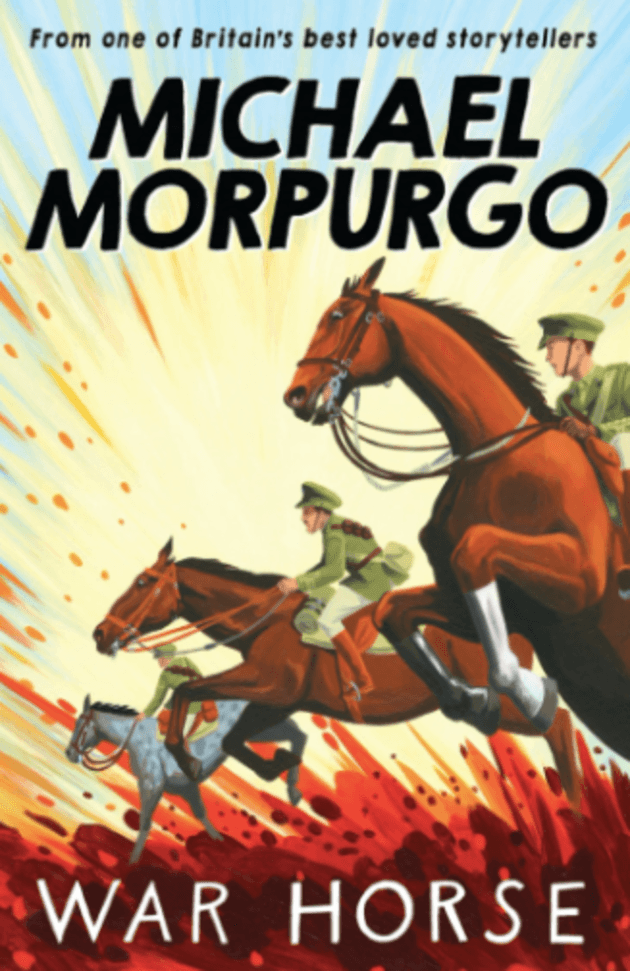
The story of Joey, the courageous horse who endures the horrors of World War I, has captured the hearts of millions through Michael Morpurgo’s novel, the acclaimed stage play, and Steven Spielberg’s epic film. The powerful bond between a young man, Albert, and his horse resonates deeply, leaving many to wonder: Is War Horse a true story? The simple answer is that while the specific narrative of Joey is a work of fiction, it is deeply rooted in the very real, harrowing experiences of millions of horses that served and perished during the Great War.
The tale is not a biography of a single animal but a powerful tribute to them all. It’s a story born from historical truth and the poignant memories of those who witnessed the unwavering bravery of these animals on the battlefield. This exploration delves into the historical fabric that Morpurgo so masterfully wove to create his timeless story, separating the fictional threads from the factual realities of World War I. For those interested in cinematic interpretations of historical events, the discussion around the horse story movie genre provides a broader context.
The Spark of Inspiration: How the Story Came to Be
The genesis of War Horse didn’t come from a history book but from a conversation in a village pub in Devon. Author Michael Morpurgo met a World War I veteran, Wilfrid Ellis, who had served with the 303rd Brigade Royal Field Artillery. Ellis, a horseman himself, recounted his experiences and the profound connection he shared with the horses in his care. He spoke of the terror, the loyalty, and the immense suffering these animals endured alongside the soldiers. This firsthand account was the primary seed from which the story of Joey grew.
Morpurgo was also inspired by a painting he saw of a British cavalry charge, which depicted horses entangled in barbed wire. The stark, brutal imagery stayed with him, compelling him to give a voice to the voiceless victims of the war: the animals. He decided to tell the story from the perspective of the horse, an unconventional narrative choice that allows readers to experience the conflict with a unique and unbiased innocence. This approach gives the story a universal appeal, focusing on the shared suffering and cruelty of war rather than politics or allegiances.
Who Was the Real Joey?
There was no single horse named Joey who experienced the exact events described in the book. Instead, Joey is a composite character, an embodiment of the “everyhorse” that served in the war. His journey from a peaceful farm in Devon to the terrifying front lines of France, serving on both the British and German sides, reflects the chaotic and unpredictable reality for these animals. Horses were frequently captured and repurposed by opposing forces, their loyalties forcibly switched in the turmoil of battle.
However, there were real-life horses whose stories echo Joey’s resilience. One of the most famous is Warrior, a thoroughbred stallion owned by General Jack Seely. Warrior arrived on the Western Front in 1914 and survived some of the war’s most infamous battles, including the Somme and Passchendaele. He became a symbol of survival and was hailed as “the horse the Germans couldn’t kill.” His story, much like Joey’s, showcases incredible courage and an unbreakable spirit, a theme that resonates in the broader context of the war horse one true story discussion.
The Unspoken Reality for Horses in World War I
To truly understand the historical accuracy of War Horse, one must look at the staggering statistics and the brutal reality of the equine contribution to the war effort. The conflict was a transitional period in warfare, where the cavalry charges of the past collided with the mechanized slaughter of the future.
How Many Horses Served in WWI?
Over one million horses and mules were sent to the Western Front with the British and Commonwealth forces alone. Millions more served with other armies, including the French, German, and Russian forces. These animals were not just for cavalry; their primary role was logistical. They were the engines of the army, pulling artillery, ambulances, and supply wagons through terrain that was impassable for early motor vehicles.
Dr. Sarah Miller, a historical expert on military logistics, states, “Without the horse, the logistical chain of World War I would have completely collapsed. They were as vital to the war effort as the soldiers who fought, yet their contribution was largely overlooked in the grand narratives of the conflict.”
The conditions they faced were appalling:
- Constant Shellfire: The relentless noise and terror of artillery bombardment caused immense stress and frequent casualties.
- Harsh Conditions: They suffered from exposure to mud, rain, and cold, leading to diseases like mud fever and pneumonia.
- Lack of Fodder: Supply lines were often disrupted, leaving the animals weak from starvation and exhaustion.
- Barbed Wire: The landscape was riddled with barbed wire, which caused horrific injuries.
The Heartbreaking Fate of the War Horses
Of the one million horses that left Britain for the war, only around 62,000 returned home. The sheer scale of the loss is difficult to comprehend. An estimated eight million horses, mules, and donkeys died on all sides during the four years of conflict. They were felled by machine guns, artillery, disease, and starvation.
At the end of the war, the fate of the surviving horses was often just as tragic. Many were too old, sick, or injured to be brought home. Due to quarantine restrictions and the high cost of transport, thousands were sold for meat in France and Belgium or to locals for hard labor, a heartbreaking end for animals that had served so faithfully. This grim reality is a far cry from Joey’s hopeful return in the story, a narrative choice Morpurgo made to provide a sense of hope amidst the tragedy. The profound connection between humans and horses, a central theme in War Horse, is also beautifully explored in the narrative of the farmer and horse story.
Is the Bond Between Albert and Joey Realistic?
The emotional core of War Horse is the unbreakable bond between Albert and Joey. While the idea of a boy following his horse into war might seem like a storybook fantasy, the profound connections forged between soldiers and their animals were incredibly real. In the midst of unimaginable horror and loss, these horses were not just beasts of burden; they were companions, confidants, and comrades-in-arms.
Soldiers spent every waking moment with their horses, relying on them for transport, safety, and sometimes, their very lives. They would often go to great lengths to care for them, sometimes giving their own rations to their starving mounts. Countless diaries and letters from the front lines describe the grief soldiers felt upon losing their horses. This deep, mutual reliance and affection is one of the most historically accurate elements of the story. While Albert’s specific quest is fictional, the emotion that drives him was a powerful and common reality for thousands of soldiers. The desire to see such stories visually is why many people want to watch a horse story.
Frequently Asked Questions (FAQ)
Was Joey a real horse?
No, Joey is a fictional character created by author Michael Morpurgo. He is a composite character meant to represent the millions of horses that served in World War I, embodying their collective experience of bravery, suffering, and loyalty.
Did a boy really find his horse after the war?
The storyline of Albert finding Joey against all odds is a fictional element of the story. While such a reunion would have been highly improbable, it serves as a powerful symbol of hope and the enduring bond between humans and animals.
What kind of horse was Joey?
In the book, Joey is described as a thoroughbred-cross, with a distinctive white cross marking on his forehead. This made him suitable for both farm work and for being a cavalry officer’s mount, allowing him to believably move between different roles in the story.
How many horses died in WWI?
It is estimated that around 8 million horses, mules, and donkeys died on all sides during World War I. They were casualties of direct combat, but many more succumbed to disease, exhaustion, and starvation due to the horrific conditions on the front lines.
Why didn’t more horses return home after the war?
Very few horses returned home due to a combination of factors. The cost of transportation was prohibitive, and strict quarantine laws were in place. Many were simply too old, wounded, or sick to make the journey, and were consequently sold for labor or meat in Europe.
A Tribute to the Unsung Heroes
So, while War Horse is not a true story in the literal sense, it is profoundly true in spirit. It tells a greater truth about the immense, often forgotten, sacrifice of animals in human conflict. Michael Morpurgo used the fictional journey of one horse to illuminate the historical reality for millions, creating a narrative that is both educational and deeply moving.
The story of Joey is a testament to the courage and resilience of these unsung heroes. It forces us to confront the brutal realities of war not just for humanity, but for the animals caught in the crossfire. By exploring the history behind War Horse, we gain a deeper appreciation for the story’s power and its vital role in ensuring that the incredible contribution of these magnificent animals is never forgotten. The enduring legacy of this story solidifies its place as more than just fiction; it is a true tribute.
