
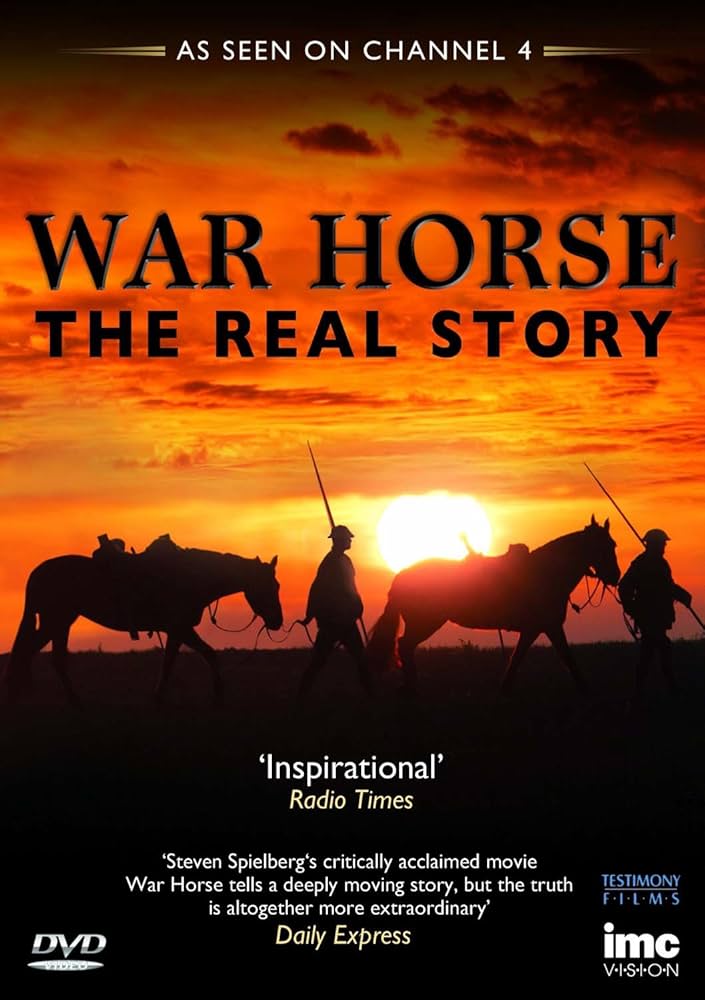
Steven Spielberg’s critically acclaimed film “War Horse” has captivated audiences with its poignant narrative of a horse’s journey through the tumultuous years of World War I. Many viewers are left wondering about the authenticity of Joey’s extraordinary experiences, prompting the question: Is War Horse Based On A True Story? While the specific horse named Joey and his individual odyssey are fictional, the powerful story draws deeply from the historical realities of horses in warfare and is inspired by a beloved children’s novel.
The Literary Roots: Michael Morpurgo’s Enduring Novel
The cinematic adaptation of “War Horse” is a testament to the enduring power of Michael Morpurgo’s 1982 novel of the same name. Morpurgo, a renowned British author of children’s literature, often draws inspiration from historical events and the human-animal bond. His inspiration for “War Horse” stemmed from visiting authors who had served in the trenches of World War I and hearing their stories of the horses that shared their fate. He was particularly moved by the immense contribution and suffering of these animals during the conflict. Morpurgo meticulously researched the role of horses in the war, interviewing veterans and delving into historical accounts to ensure a grounded and emotionally resonant portrayal. His novel became a bestseller and a beloved classic, forming the solid foundation upon which Spielberg’s film was built.
Horses in World War I: A Historical Reality
To understand how “War Horse” resonates with truth, it’s crucial to examine the actual role of horses during World War I. Far from being a mere backdrop, horses were integral to the war effort on all sides. They were indispensable for:
- Transportation: Horses were the primary means of transport for troops, artillery, supplies, and medical personnel, especially in the early stages of the war and on difficult terrain where vehicles could not penetrate.
- Cavalry Charges: While increasingly outmoded by modern weaponry, cavalry charges were still employed, often with devastating consequences for both horses and riders.
- Logistics: Millions of horses, mules, and donkeys were requisitioned from farms and estates across the globe to support the war machine.
The scale of horse deployment was staggering. It is estimated that over eight million horses died during World War I. They faced the same horrors as the soldiers: relentless artillery fire, machine-gun attacks, disease, starvation, and the brutal conditions of the trenches. Many horses, like Joey in the story, were captured and used by the opposing side, experiencing the war from different perspectives. The novel and film powerfully convey the immense bravery, resilience, and suffering of these animals, reflecting a historical truth that often gets overshadowed by the human drama.
The Journey of Joey: A Fictionalized Tapestry of True Experiences
While Joey is a fictional character, his experiences in “War Horse” are a composite of the countless true stories of horses that served and suffered during the war. The film meticulously recreates the harsh realities faced by these animals:
- Separation from Loved Ones: Joey’s separation from Albert, his young owner, mirrors the countless instances of horses being sold or conscripted, tearing them away from the humans who cared for them.
- The Brutality of the Trenches: The scenes depicting Joey pulling artillery through the mud and enduring the sounds and sights of battle are starkly accurate representations of the conditions horses faced daily.
- Cross-Front Encounters: Joey’s journey across enemy lines and his experiences with different owners – a British cavalry officer, German soldiers, and ultimately a French girl – reflect the chaotic nature of the war, where animals frequently changed hands and witnessed the conflict from multiple viewpoints.
- Acts of Courage and Camaraderie: The iconic scene where Joey and a German soldier work together to free him from barbed wire, an act of truce amidst the carnage, while perhaps dramatized, speaks to the shared humanity and unexpected moments of connection that could emerge even in the direst circumstances. It reflects the profound bond that could form between soldiers and the animals they relied on.
Experiencing the War Through an Animal’s Eyes
One of the most compelling aspects of “War Horse” is its narrative perspective. By telling the story from Joey’s point of view, the film offers a unique and deeply empathetic lens through which to view the horrors of World War I. This approach allows the audience to connect with the emotional toll of war on a non-human level, highlighting their sentience, their fear, and their capacity for loyalty and love. This narrative choice, while fictional, serves to amplify the historical truth of the immense suffering endured by millions of horses.
The film’s depiction of the horse’s crucial role in various aspects of the war effort, from transport to directly participating in the fighting, is a factual representation of the era. These animals were not just tools; they were companions, essential workers, and silent witnesses to one of humanity’s most devastating conflicts.
Beyond the Battlefield: The Enduring Bond
The story of “War Horse” ultimately transcends the battlefield. It is a narrative about love, loss, loyalty, and the unbreakable bond between humans and animals. Joey’s journey is a testament to the resilience of spirit, both in horses and in the people who care for them. The film, much like its source novel, serves as a powerful reminder of the often-overlooked contributions and sacrifices of animals in human history, particularly during times of conflict.
So, is War Horse based on a true story? While Joey’s specific adventures are a product of imagination, the heart of the story beats with the truth of millions of horses’ experiences during World War I. The film is a deeply affecting tribute to their role, their suffering, and their remarkable spirit. It encourages us to remember the silent heroes of history and to cherish the profound connections we share with our animal companions, just as the story of Albert and Joey reminds us.
