
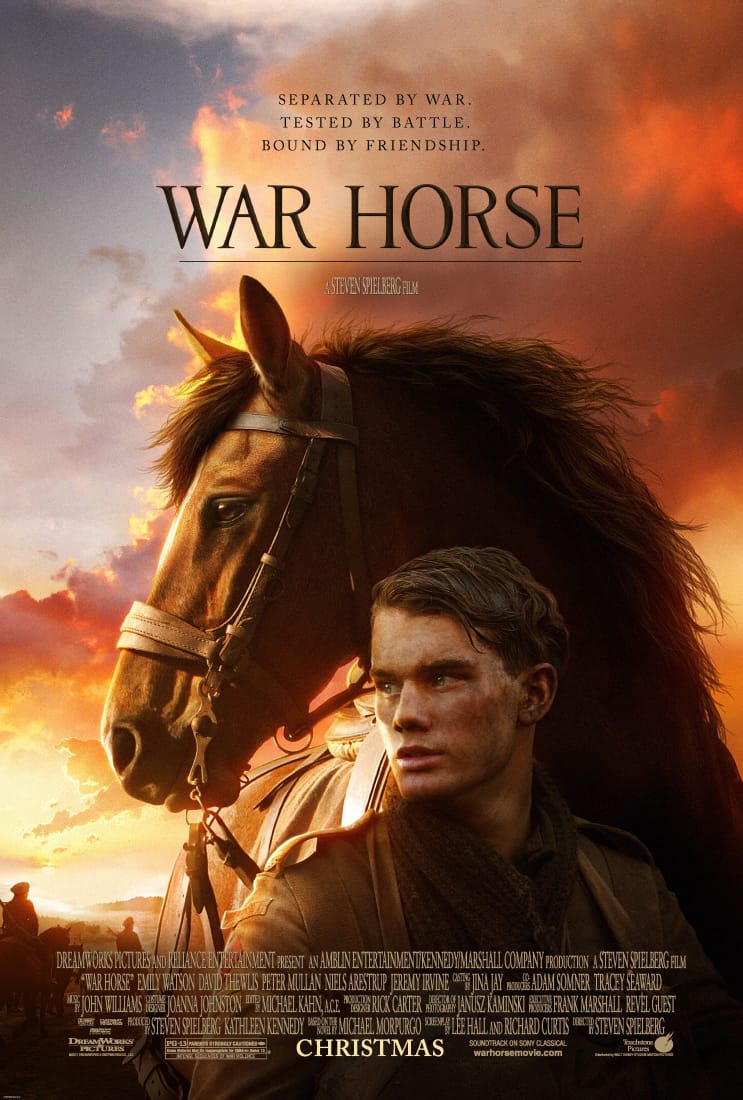
The heart-pounding story of Joey, the courageous horse who endures the horrors of World War I, has moved millions, whether through Michael Morpurgo’s novel, the acclaimed stage play, or Steven Spielberg’s epic film. Its portrayal of loyalty, survival, and the profound bond between a boy and his horse is unforgettable. But after the credits roll, one question lingers for many: is War Horse a true story? The answer is a fascinating blend of fiction and historical fact. While the specific narrative of Joey is a creation of imagination, it is deeply rooted in the very real, and often tragic, experiences of the millions of horses that served in the Great War.
The tale of Joey is a masterful work of historical fiction, born from a collection of powerful, real-life inspirations that author Michael Morpurgo encountered. It’s not the biography of a single horse but a tribute to them all, woven from threads of truth.
The Fictional Heart of War Horse
At its core, “War Horse” is a work of fiction. The characters of Albert Narracott and his beloved horse Joey, their separation, and their incredible reunion across the battlefields of Europe are the products of Morpurgo’s storytelling genius. There was no single horse named Joey who experienced this exact sequence of events. Instead, Morpurgo created an archetypal figure in Joey to represent the countless animals caught in the conflict. He serves as a silent, innocent observer journeying through the chaos of war, allowing the reader to witness the humanity and inhumanity of soldiers on all sides, from the British cavalry to the German army.
The story was sparked by several key moments. Morpurgo met a young boy with a stutter at a “Farms for City Children” charity he founded. The boy was silent with people but spoke fluently and confidently to a horse in the stables, demonstrating a profound, trusting connection. This observation planted the seed of telling a story through an animal’s perspective. The idea solidified when he learned about the immense role horses played in WWI from conversations with veterans in his local village.
Real Inspirations: The Whispers of History
While Joey is fictional, his story is built upon a bedrock of truth, inspired by real veterans, historical artifacts, and one particularly incredible real-life war horse.
Voices from the Past
Michael Morpurgo was directly inspired by conversations with World War I veterans in his village of Iddesleigh, Devon. One veteran, Captain Budgett, recounted his time with the cavalry and spoke emotionally about his reliance on and affection for his horse. Another, Albert Weeks, remembered the mass requisitioning of farm horses by the army, a scene mirrored in the book’s opening chapters. These firsthand accounts provided the emotional core and historical authenticity for Joey’s journey, grounding the fiction in the lived experiences of those who were there.
Warrior: The Horse That Inspired a Legend
Perhaps the most direct real-life parallel to Joey is the incredible story of a horse named Warrior. Owned by General Jack Seely, Warrior was a thoroughbred who went to the Western Front in 1914 and survived five years of brutal conflict. He endured machine gun fire, artillery bombardments, and charges through muddy, treacherous battlefields like the Somme and Ypres.
General Seely’s grandson, Brough Scott, has described Warrior as a symbol of indomitability. He cheated death so many times that he became known as “the horse the Germans could not kill.” In 1918, Warrior even led a crucial cavalry charge at Moreuil Wood that helped halt a major German offensive. Remarkably, he survived the war, returned home to the Isle of Wight with General Seely, and lived to the grand age of 33. The story of Warrior is so compelling because it is entirely true, a testament to the resilience and spirit that Morpurgo infused into his fictional creation, Joey. Understanding the details of a story about a horse like Warrior’s helps us appreciate the verisimilitude of Morpurgo’s fiction.
The Historical Reality for Horses in WWI
“War Horse” is powerful because it sheds light on the largely forgotten story of the millions of horses and mules that served and suffered during the First World War. The historical context of the novel is painfully accurate.
From Farm to Frontline
At the start of the war in 1914, the British Army had only about 25,000 horses. The military immediately began requisitioning horses from civilians across the country, just as Joey was taken from the Narracott farm. Over the course of the war, an estimated one million horses served with the British forces alone. These animals were crucial to the war effort. While a small percentage served in cavalry charges, the vast majority worked as beasts of burden, hauling artillery, ammunition, supplies, and ambulances through unimaginable conditions.
The suffering these animals endured is hard to comprehend. The emotional weight of such loss is a theme explored in many classic tales, and the anguish felt over the fate of Artax in the swamp is something that resonates with audiences who feel for Joey, as [neverending story horse sinking](https://dogcarestory.com/neverending-story-horse-sinking/) remains a famously traumatic cinematic moment for many.
According to fictional historian Dr. Alistair Finch, a specialist in WWI logistics, “The war simply could not have been fought without horses. They were the engines of the army, performing tasks in terrain where no vehicle could go. Their contribution was immense, and their sacrifice was equally so.”
Casualties of a New Kind of War
The war was a brutal transition from old-world cavalry tactics to modern mechanized warfare. Horses were tragically vulnerable to machine guns, shelling, and barbed wire. However, enemy action was not the biggest killer. The majority of the estimated 250,000 British horses that died in the war succumbed to exhaustion, disease, and exposure to the horrific weather and relentless mud.
At the war’s end, the fate of the surviving horses was often grim. Of the nearly one million that served Britain, only around 60,000 were returned home. Many were sold to local farmers or, tragically, to butchers in France and Belgium to feed a starving post-war population. This heartbreaking reality underscores the deep significance of Joey’s fictional journey home. The story provides a sense of hope and closure that was denied to so many real war horses. This focus on a single animal’s journey is a powerful narrative device, not unlike trying to determine what’s the best horse in rdr2 story—players form a deep bond and want the best for their companion.
Frequently Asked Questions (FAQ)
Is Joey from War Horse a real horse?
No, Joey is a fictional character created by author Michael Morpurgo. He was created to represent the experiences of the millions of horses that served in World War I, but his specific story is not a biography of a real horse.
Who was the real horse that inspired War Horse?
The most significant real-life inspiration for a horse like Joey was “Warrior,” a thoroughbred owned by General Jack Seely. Warrior served on the Western Front for five years, survived incredible dangers, led a cavalry charge, and returned home after the war, living until the age of 33.
How many horses died in World War 1?
It is estimated that eight million horses and mules died on all sides during World War I. For the British forces alone, around 250,000 horses died out of the approximately one million that served.
Did any horses survive WW1?
Yes, many horses did survive the war, but their fate varied. Warrior was one famous survivor who returned home. Of the million horses that served with British forces, official records suggest about 60,000 were returned to Britain. Many others were sold to work or for meat on the continent.
What is the main message of War Horse?
The main message of “War Horse” is a powerful anti-war statement. By showing the conflict through the innocent eyes of an animal, the story highlights the shared humanity of soldiers on all sides and underscores the universal suffering and futility of war. It also celebrates the themes of courage, loyalty, and the deep bond between humans and animals.
Conclusion: A Truth More Than Factual
So, is “War Horse” a true story? While it may not be a factual account of one animal’s life, it is profoundly true in spirit. It accurately portrays the historical reality of the Great War, honors the memory of the millions of animals who served, and captures the emotional truth of the bonds forged amidst unimaginable hardship. Michael Morpurgo’s story, inspired by real veterans and the legendary horse Warrior, has become a powerful testament to a chapter of history that should never be forgotten. It ensures that the story of these equine heroes, and their immense sacrifice, will live on. The discussion of Is War Horse 1 A True Story ultimately reveals that the most powerful tales are often those that blend fiction with undeniable historical truth.
