
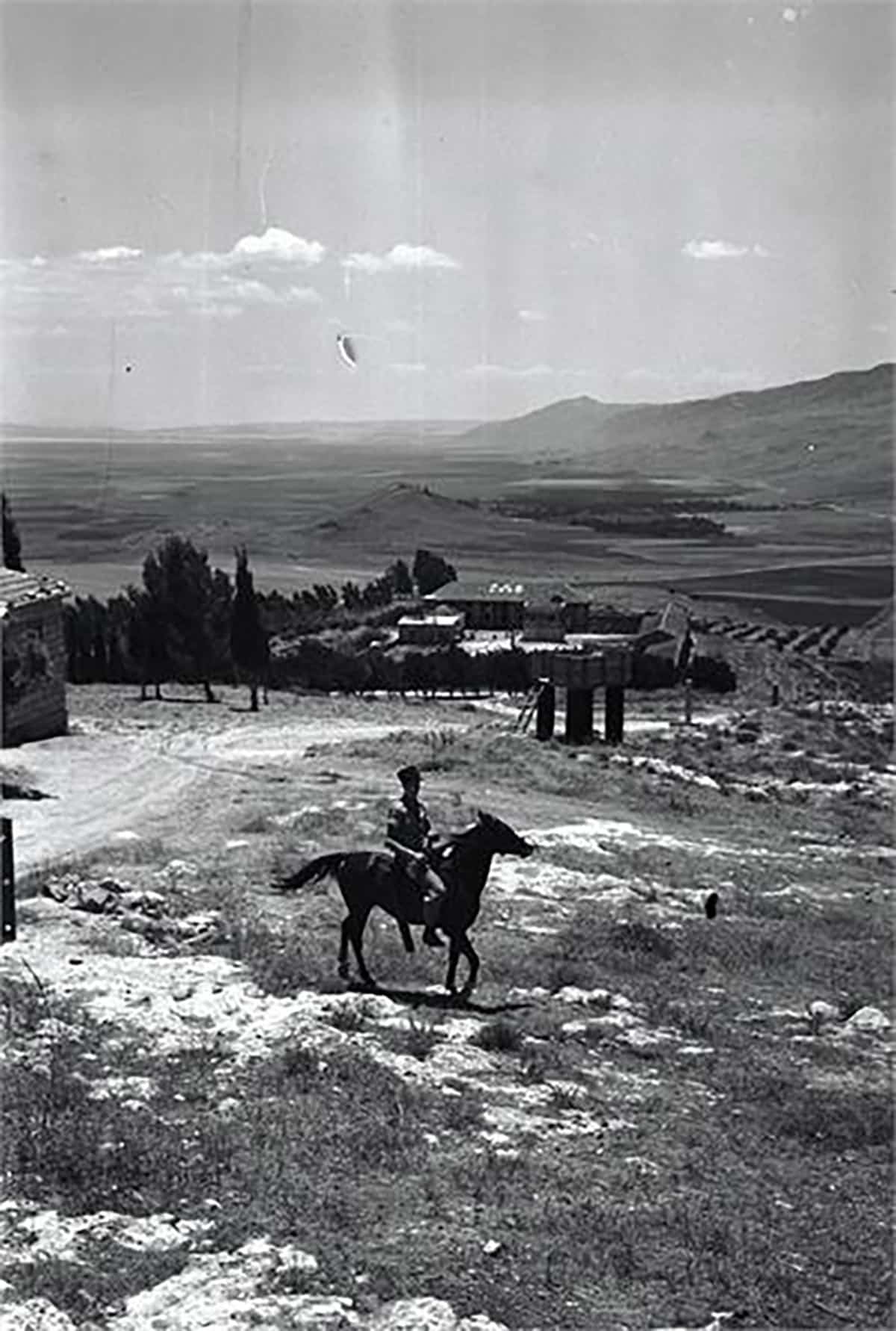
Many have been moved by the powerful story of Joey, the brave equine protagonist in Michael Morpurgo’s novel, War Horse, and its subsequent adaptations. The question often arises: is War Horse based on a true story? While the specific journey of Joey is a work of fiction, the narrative is deeply rooted in the very real and harrowing experiences of horses during World War I. The novel and its acclaimed stage and film versions aim to illuminate the significant, often overlooked, role horses played in the Great War and the profound impact the conflict had on them.
The genesis of War Horse lies in Morpurgo’s desire to give a voice to the millions of horses whose lives were irrevocably intertwined with the war. He sought to tell a story that would honor their sacrifice and highlight their often-unseen contributions. While Joey himself is an invention, the historical backdrop is meticulously researched and painted with the stark reality of wartime.
The Unseen Cavalry: Horses in World War I
World War I was a period of immense technological advancement in warfare, yet it also marked the largest deployment of horses in conflict since the Napoleonic Wars. Horses were indispensable, serving in a multitude of roles that were crucial to military operations. Their contributions, however, came at a devastating cost.
Roles of Horses on the Battlefield
Before the full mechanization of armies took hold, horses were the primary mode of transport and power. Their roles included:
- Cavalry charges: Though increasingly less effective against modern weaponry, cavalry units were still deployed, relying on the speed and power of horses.
- Artillery transport: Moving heavy artillery pieces across varied terrain was a monumental task, almost exclusively dependent on teams of horses.
- Supply and logistics: Delivering ammunition, food, medical supplies, and other necessities to the front lines often fell to horse-drawn wagons and carts.
- Ambulance services: Horses pulled ambulances to transport wounded soldiers from the battlefield, a dangerous and often fatal duty.
- Scouting and reconnaissance: Light cavalry horses were used for patrols and gathering intelligence.
The Grim Reality of War for Equines
The romantic image of the cavalry charge belies the brutal reality faced by horses. They were as vulnerable to enemy fire, disease, and the harsh conditions as the soldiers they served alongside.
- Mass Casualties: It is estimated that over eight million horses perished during World War I. They were caught in the crossfire, succumbed to injuries from shell blasts and shrapnel, and suffered from diseases like glanders and influenza.
- Harsh Conditions: Horses endured mud, extreme cold, constant noise, and lack of adequate food and water. Trench warfare created a particularly difficult environment, with horses often bogged down in mud or injured by barbed wire.
- Psychological Impact: The constant bombardment, the sight of death, and the demands of war undoubtedly took a psychological toll on these sensitive animals.
The story of Joey, as he is passed from British farmer Albert to the German army, and then finds himself in various perilous situations, mirrors the fragmented and often tragic journeys of countless real horses. Morpurgo’s narrative captures this disposability and the sheer randomness of fate that horses faced.
Michael Morpurgo’s Inspiration and Research
Michael Morpurgo has a deep love for animals and a keen interest in history. For War Horse, he drew inspiration from various sources and conducted extensive research to lend authenticity to his fictional tale.
Historical Accounts and Anecdotes
Morpurgo has spoken about reading historical accounts and hearing anecdotes from individuals whose lives were touched by the war and the horses that served in it. These stories provided the emotional core and factual grounding for his narrative. The idea of a young boy’s deep bond with his horse, and their forced separation by war, is a universally resonant theme that Morpurgo expertly weaves into the historical context.
The Influence of Other Works
While War Horse is unique, it shares thematic similarities with other narratives that explore the human-animal bond during wartime. These might include stories of messenger dogs, carrier pigeons, or other animals used in conflict. Morpurgo’s ability to anthropomorphize Joey, giving him a distinct personality and inner life, is key to the novel’s emotional impact. This technique, while fictional, helps readers connect with the plight of all the animals who suffered.
Adapting War Horse for Stage and Screen
The success of the novel led to a highly successful stage play by the National Theatre, directed by Marianne Elliott and Tom Morris, which premiered in 2007. The play’s innovative puppetry and staging brought Joey to life in a way that captivated audiences and critics alike.
Later, Steven Spielberg directed a film adaptation in 2011, which further popularized the story. Both adaptations, while differing in their artistic interpretations, remained faithful to the spirit of Morpurgo’s original work, emphasizing the bond between humans and horses amidst the horrors of war. These adaptations, in turn, have sparked further interest in the historical reality of horses in WWI.
The Power of Storytelling
The enduring appeal of War Horse lies in its ability to humanize the animal experience of war. By focusing on Joey’s perspective, Morpurgo allows readers and viewers to empathize with the suffering and resilience of these creatures. This narrative choice makes the historical facts more accessible and emotionally impactful. It’s a testament to the power of storytelling to shed light on forgotten aspects of history.
Conclusion: A Fictional Horse, A True Story of Sacrifice
So, is War Horse based on a true story? Yes, in the sense that it is built upon a foundation of historical truth regarding the immense role and tragic fate of horses in World War I. Joey is a fictional character, but his journey is emblematic of the experiences of millions of real horses. Michael Morpurgo’s masterful storytelling, combined with sensitive and powerful adaptations, has ensured that the story of these often-unseen war heroes is not forgotten. The narrative serves as a poignant reminder of their sacrifice and the deep connections that can form between humans and animals, even in the darkest of times. The echoes of those real horses, who bravely served and suffered, resonate through Joey’s fictional tale.
