
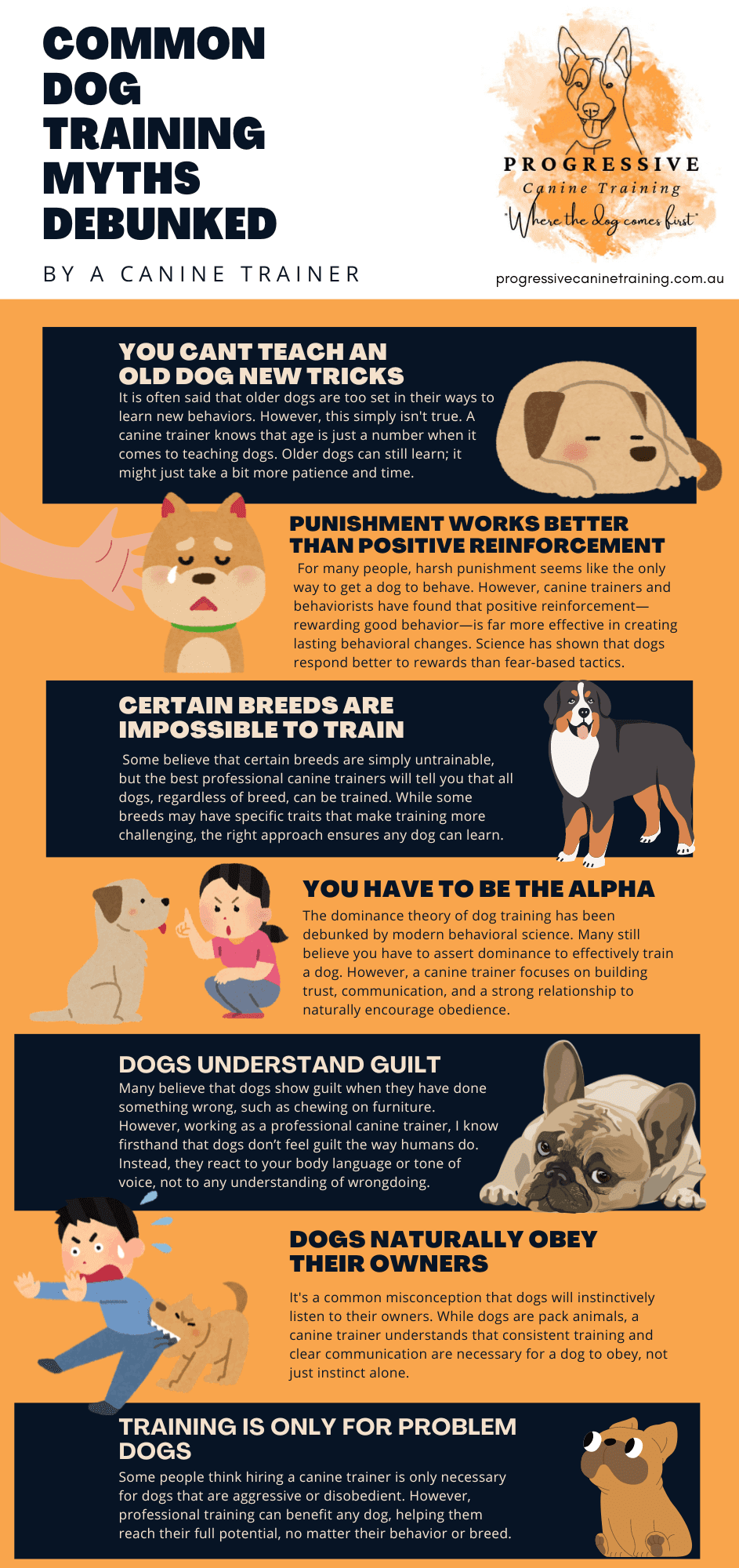
The notion that older dogs can’t be trained is a persistent myth that keeps many potential adopters from opening their homes to mature canine companions. But is it truly too late to train your dog once they’ve passed puppyhood? Absolutely not! While training a senior dog might present different challenges than training a puppy, it’s far from impossible and can be an incredibly rewarding experience for both you and your furry friend. The key lies in understanding their unique needs, adapting your methods, and fostering a positive, patient approach. The journey of training doesn’t have an expiration date; it’s a continuous process of bonding and learning that enriches the lives of dogs and their humans alike.
Understanding the Aging Canine Brain and Body
As dogs age, their bodies and minds undergo changes that can influence their learning capabilities. Unlike the common misconception that older dogs are simply “set in their ways,” their capacity to learn new things is largely dependent on their physical health, cognitive function, and past experiences. Arthritis, hearing loss, or vision impairment can make traditional training methods more challenging. Similarly, a dog that hasn’t had positive training experiences in the past may exhibit more caution or resistance. However, these are not insurmountable barriers. Recognizing these factors allows for tailored training strategies that accommodate their individual circumstances.
Cognitive Changes in Senior Dogs
Senior dogs may experience a decline in cognitive function, similar to dementia in humans. This can manifest as confusion, disorientation, or changes in sleep-wake cycles. While this might seem like a hurdle for training, many dogs can still learn and adapt. The focus shifts to shorter, more frequent training sessions, using positive reinforcement, and ensuring the learning environment is calm and predictable.
Physical Limitations
Pain and stiffness from conditions like arthritis can make physical commands more difficult to perform. Commands that require jumping or prolonged standing might need to be modified or avoided. It’s crucial to consult with a veterinarian to manage any physical discomfort your dog may be experiencing. Once pain is managed, training can proceed more comfortably for the dog.
The Benefits of Training an Older Dog
Training an older dog offers a unique set of advantages. For starters, senior dogs often have a calmer demeanor than puppies, making them more focused during training sessions. They have already developed bladder control, meaning fewer accidents to worry about. Furthermore, training provides essential mental stimulation, helping to keep their minds sharp and prevent cognitive decline. This mental engagement can significantly improve their overall quality of life and strengthen the bond between you and your dog. It’s a wonderful way to build trust and deepen your connection.
Enhanced Bond and Companionship
Training is a powerful tool for communication and connection. When you engage in training with your older dog, you are actively building a shared language and understanding. This process can alleviate behavioral issues that may have developed over time due to lack of guidance or boredom, leading to a more harmonious relationship. A well-trained older dog is often a more confident and content companion.
Preventing or Slowing Cognitive Decline
Just like humans, dogs benefit greatly from mental exercise. Engaging your senior dog in training activities, even simple ones, can help maintain cognitive function and potentially slow the progression of age-related cognitive decline. This keeps their minds active and can lead to a happier, healthier old age.
Effective Training Strategies for Senior Dogs
When training an older dog, patience and positive reinforcement are paramount. Avoid harsh corrections, as these can create fear and anxiety, making training counterproductive. Instead, focus on rewarding desired behaviors with treats, praise, or a favorite toy.
Positive Reinforcement Techniques
Positive reinforcement is the cornerstone of training any dog, but it’s especially vital for senior dogs. This involves rewarding your dog immediately after they perform a desired behavior. This could be a high-value treat, enthusiastic verbal praise, or a quick game of fetch. The immediate reward helps your dog associate the action with something positive, making them more likely to repeat it.
Adapting Commands and Sessions
Shorter, more frequent training sessions are generally more effective for senior dogs. Aim for 5-10 minute sessions a few times a day rather than one long session. If your dog shows signs of fatigue or frustration, it’s time to end the session on a positive note, perhaps with a simple command they know well. Adapt commands to suit their physical abilities. For instance, if a “down” command is difficult due to joint pain, work on a “sit” or “stay” instead.
Socialization for Senior Dogs
While the critical socialization window for puppies is closed, older dogs can still benefit from gentle socialization. Expose them to new, positive experiences gradually and at their own pace. This could involve calm interactions with well-behaved dogs or quiet exposure to new environments. Always prioritize their comfort and safety, and never force interactions if they seem stressed. If you are looking for professional guidance, consider exploring options like dog training long island suffolk for local resources.
Common Challenges and Solutions
Older dogs may come with a history, and that history might include ingrained habits or behaviors that need addressing. Fear-based behaviors, reactivity, or even house-soiling issues can sometimes arise. The approach to these challenges requires understanding the root cause, which may be physical, cognitive, or behavioral.
Addressing Behavioral Issues
If your senior dog is exhibiting new or worsening behavioral issues, a vet visit is the first step to rule out any underlying medical conditions. For behavioral problems like anxiety or reactivity, a professional trainer experienced with older dogs can help develop a behavior modification plan. Techniques such as desensitization and counter-conditioning are often employed. For instance, if a dog has developed a fear of certain noises, gradual exposure paired with positive rewards can help. Exploring resources like sit means sit aggressive dog training might offer insights into specific training methodologies.
House-Training Regressions
House-soiling in older dogs can be due to medical issues, cognitive decline, or simply a lapse in training. If medical causes are ruled out, re-establishing a consistent potty routine is key. Frequent potty breaks, especially after waking up, eating, or playing, are essential. Cleaning accidents thoroughly with an enzymatic cleaner will help eliminate odors that might attract the dog back to the same spot. Consider using low calorie dog training treats to reward successful potty breaks.
The Role of Veterinarian and Professional Trainers
Your veterinarian is an invaluable partner in training your senior dog. They can assess your dog’s overall health, identify any physical limitations, and provide guidance on managing pain or cognitive issues. A certified professional dog trainer, particularly one with experience in senior dog training, can offer tailored advice and hands-on assistance. They can help diagnose behavioral problems and create a customized training plan.
When to Seek Professional Help
If you’re struggling with specific behaviors, if your dog seems overwhelmed, or if you’re unsure how to proceed, don’t hesitate to seek professional help. A trainer can provide objective feedback and proven strategies. They can help you understand your dog’s communication signals and ensure your training methods are effective and humane. For those interested in advanced canine activities, learning about what is agility training for dogs might reveal new avenues for engagement and stimulation.
Conclusion: A Rewarding Journey at Any Age
The answer to “Is It Too Late To Train My Dog?” is a resounding no. Every dog, regardless of age, deserves the opportunity to learn, grow, and strengthen their bond with their human family. Training an older dog is a testament to the enduring capacity for learning and connection that exists throughout a dog’s life. It requires understanding, patience, and a commitment to positive methods, but the rewards—a well-behaved, happy, and deeply connected companion—are immeasurable. Embrace the journey, celebrate the small victories, and discover the joy of training your beloved dog, no matter their age.
