
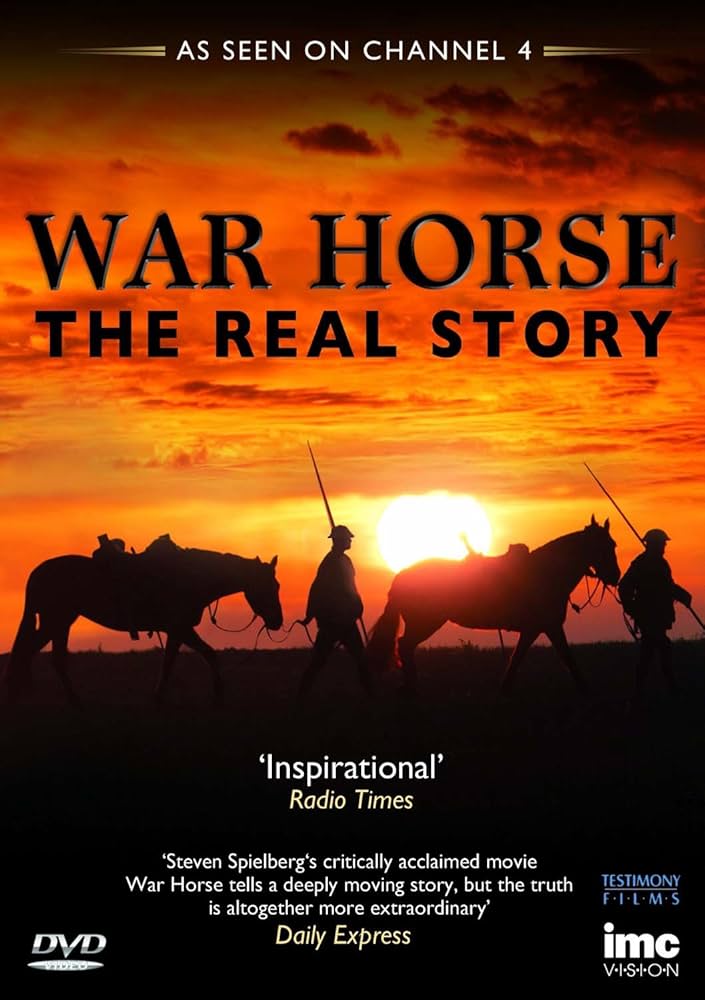
The majestic tale of War Horse, both the novel and the subsequent film adaptations, has captured the hearts of many. It’s a story that evokes powerful emotions, depicting the profound bond between a boy and his horse amidst the brutal backdrop of World War I. Many viewers and readers are often moved to ask: is War Horse based on a true story? While the specific narrative of Joey, the bay colt, and his journey is fictional, the heart of the story is deeply rooted in historical reality and inspired by real experiences.
The narrative woven by Michael Morpurgo in his 1982 novel, and famously brought to life by Steven Spielberg in the 2011 film, centers on Albert Narracott and his beloved horse, Joey. Their separation at the outbreak of World War I and Joey’s subsequent journey through the trenches, serving on both sides of the conflict, forms the emotional core. It’s this depiction of a horse’s experience during wartime that resonates so strongly, leading many to believe it must be a factual account.
The Real-Life Inspirations Behind “War Horse”
While Joey himself is a product of Michael Morpurgo’s imagination, the author has often spoken about the inspiration behind his novel. The primary spark came from conversations with Albert Weeks, an elderly man Morpurgo met in Devon, England. Weeks had served as a cook in the First World War and had a poignant story about a horse he had known during his service. He described how this horse had been requisitioned for the war effort and had gone through considerable hardship. This personal account, shared by Weeks, painted a vivid picture of the immense suffering and the vital role horses played in the Great War, planting the seed for Morpurgo’s story.
Furthermore, Morpurgo himself had a deep personal connection to horses and the countryside, which heavily influenced his writing. His own experiences and observations of the relationship between humans and horses undoubtedly informed the emotional depth of the narrative. He aimed to capture not just the brutality of war but also the resilience of the human and animal spirit, and the enduring power of hope and love even in the darkest of times.
“I think it’s the relationship between the boy and the horse that is the true heart of the story. It’s a universal theme that transcends time and conflict.” – Michael Morpurgo
The historical context of World War I is also critical to understanding the “truth” within War Horse. Horses were an indispensable part of the war effort for all nations involved. They were used for transportation, pulling artillery, scouting, and even in cavalry charges, although their role diminished as mechanization advanced. Millions of horses were requisitioned from farms and civilian life, and sadly, many perished in the brutal conditions of the battlefield. The novel and film accurately reflect this widespread use and the immense cost to these animals. The depictions of horses struggling in the mud, caught in barbed wire, and enduring the psychological trauma of constant shelling are unfortunately not fabrications but grim realities faced by countless equines.
Exploring Similar Narratives: “War Horse” and Other True Stories
While War Horse is fictional, its themes and settings align with numerous documented accounts and other stories, both fictional and non-fictional, that highlight the contributions and sacrifices of horses in wartime. Examining these can provide a broader perspective on the historical reality that inspired Morpurgo.
For instance, the story of “Blackie,” a horse that served with the Royal Canadian Dragoons during World War I, is often cited. While not as widely known as the War Horse narrative, Blackie’s journey through battles and his survival against the odds offer a glimpse into the real-life experiences of war horses. Similarly, historical records detail the bravery and endurance of countless horses in various conflicts, from the Napoleonic Wars to the Boer War and beyond. These accounts collectively form a tapestry of equine heroism and suffering that underpins narratives like War Horse.
new horses in rdr2 story mode can be a fascinating way to explore the role of horses in different narrative contexts, although it’s important to distinguish between historical fiction and pure fantasy.
The Enduring Legacy of “War Horse”
The success and emotional impact of War Horse stem from its ability to humanize the experience of war through the eyes of an animal. By focusing on Joey’s perspective, Morpurgo allows readers to connect with the universal themes of love, loss, courage, and the devastating futility of conflict. The story doesn’t just tell us about the war; it allows us to feel the war through the eyes of a creature caught in its devastating sweep.
The enduring popularity of War Horse is a testament to the powerful connection people feel with horses and the profound impact they have had throughout human history, particularly during times of conflict. It reminds us of the silent contributions made by these magnificent animals and the ethical considerations surrounding their use in warfare and beyond.
While you won’t find a historical record of a horse named Joey with Albert Narracott’s exact story, the narrative is built upon a foundation of historical truth and deeply felt human and animal experiences. It serves as a poignant memorial to all the horses that served and suffered during World War I, ensuring their stories are not forgotten. The novel and film act as a powerful reminder that behind every historical event, there are often individual stories of resilience, love, and survival, whether human or animal.
