
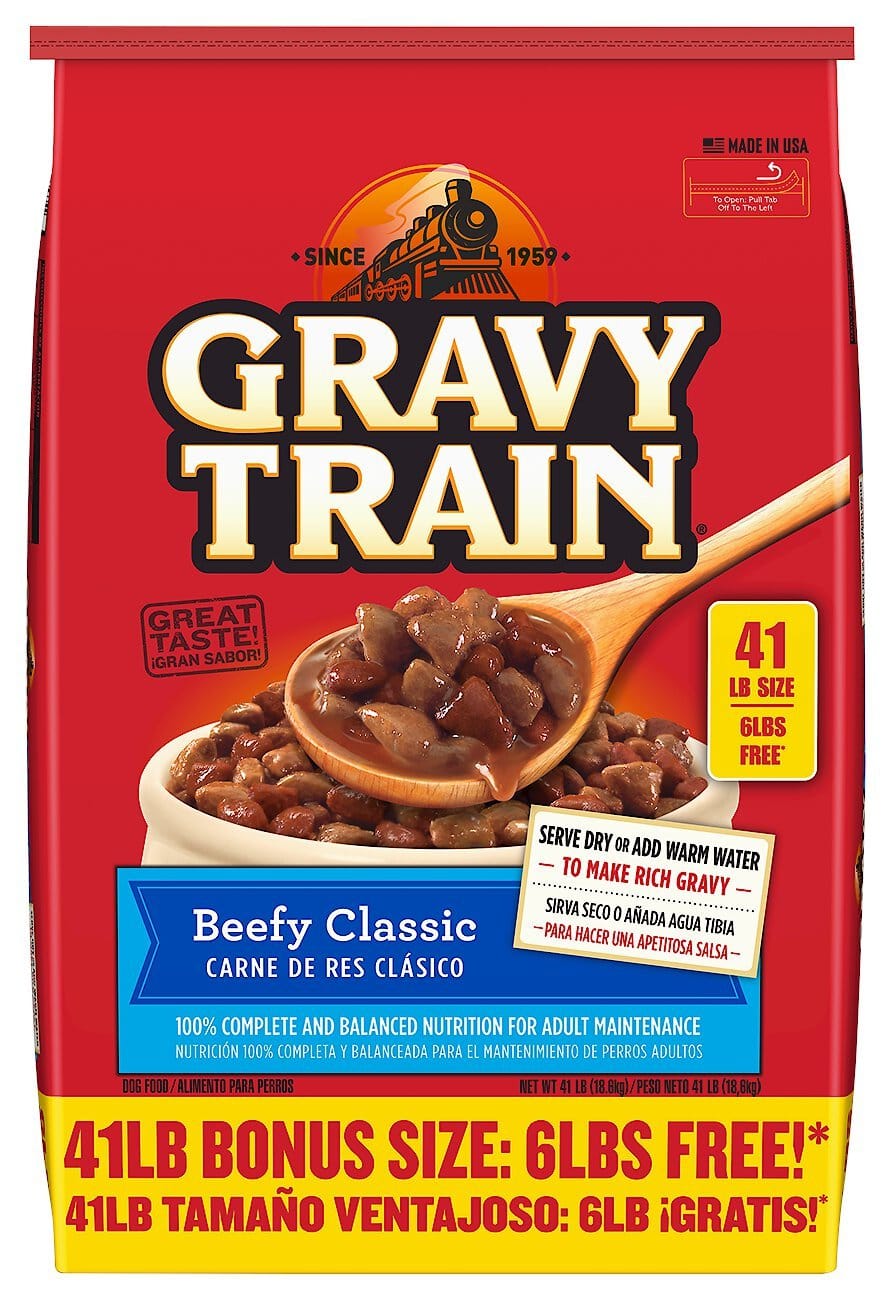
Navigating the world of dog food can feel like a maze, with countless brands and formulas vying for your attention. Among them, Gravy Train has been a consistent presence, often recognized for its distinctive gravy-like texture. But when it comes to your dog’s health and well-being, the question remains: is Gravy Train dog food a good choice for your canine companion? This in-depth look aims to explore the ingredients, nutritional profiles, and overall value proposition of Gravy Train to help you make an informed decision.
Understanding Gravy Train: A Closer Look
Gravy Train is a brand that aims to provide a palatable and convenient meal option for dogs. Its defining characteristic is the gravy-like coating or consistency, which many owners find appealing as it can encourage picky eaters to finish their meals. The brand offers a range of products, including dry kibble and canned options, typically found at accessible price points in many supermarkets and general retailers.
Gravy Train Dry Dog Food Formulas
The core of the Gravy Train line often features dry kibble. These formulas are designed to be a complete and balanced meal, providing essential nutrients for adult dogs. Common ingredients found in their dry food include:
- Grains: Corn, wheat, and rice are frequently listed as primary ingredients. These provide carbohydrates for energy.
- Meat By-products: These can include various animal parts, such as organs and bones, which are sources of protein and other nutrients. The specific types can vary.
- Poultry By-product Meal: A concentrated source of protein derived from poultry parts.
- Fats: Animal fat preserved with mixed tocopherols is often included to provide energy and support skin and coat health.
- Gravy/Flavoring Agents: Ingredients are added to create the signature gravy taste and texture.
Gravy Train Canned Dog Food
For dogs that prefer a softer texture or for owners seeking a different feeding option, Gravy Train also offers canned varieties. These typically have a higher moisture content and can be fed as a complete meal or as a topper for dry kibble. Ingredients in canned Gravy Train often mirror those in the dry food, with the addition of water or broth for texture and moisture.
Nutritional Analysis of Gravy Train
When evaluating any dog food, the guaranteed analysis is a crucial starting point. While specific percentages can vary between different Gravy Train products, you’ll generally find the following approximate ranges:
- Protein: Typically around 18-22%
- Fat: Usually in the range of 8-12%
- Fiber: Around 3-5%
- Moisture: For dry food, around 10-12%; for canned, significantly higher, often 75-80%.
To understand how these figures stack up, it’s helpful to consider the recommended daily intake for dogs. The Association of American Feed Control Officials (AAFCO) provides guidelines for minimum nutrient levels. For adult maintenance, AAFCO recommends a minimum of 18% protein and 5.5% fat for dry dog food.
Ingredient Quality and Concerns
The primary concern for many pet nutritionists and owners regarding Gravy Train often lies in the quality and source of its ingredients.
- Grain-Heavy Formulas: Brands that heavily rely on corn and wheat as primary ingredients can be a concern for dogs with sensitivities or allergies to these grains. While grains can provide energy, they are not always the most digestible or nutrient-dense carbohydrate sources for dogs, who are biologically omnivores with a preference for protein.
- Meat By-products: While by-products can be nutritious, the lack of specificity regarding their source (e.g., “meat by-products” instead of “chicken by-products” or “beef by-products”) can be a point of concern. This vagueness can sometimes indicate lower-quality, less digestible parts of the animal.
- Artificial Colors and Flavors: Some Gravy Train products may contain artificial colors and flavors to enhance palatability and appearance. While generally considered safe in regulated amounts, many owners prefer to avoid these in favor of natural ingredients.
Comparing Gravy Train to Other Brands
Gravy Train generally falls into the budget-friendly category of dog foods. When compared to premium or veterinary-recommended brands, the ingredient quality and nutritional density are often lower. Premium brands tend to prioritize named meat sources (like deboned chicken, lamb, or beef) as the first ingredients, use whole grains or alternative carbohydrate sources like sweet potatoes or peas, and avoid artificial additives.
For example, when looking at is gravy train dog food good for dogs, you might notice a significant difference in the types of protein and carbohydrate sources used compared to a brand that focuses on grain-free or limited-ingredient diets. Similarly, if you are considering gravy train can dog food as a supplement, you might find that higher-end wet foods offer more concentrated protein and fewer fillers.
Is Gravy Train Right for Your Dog?
The “goodness” of any dog food is relative to the individual dog’s needs, health status, and your budget.
Potential Benefits:
- Palatability: The gravy texture can be a lifesaver for dogs with poor appetites or those recovering from illness.
- Affordability: For owners on a tight budget, Gravy Train offers a way to feed their dog a complete and balanced meal at a lower cost.
- Availability: It is widely available in many retail locations, making it convenient to purchase.
Potential Drawbacks:
- Ingredient Quality: As discussed, the use of by-products and heavy reliance on common grains may not be ideal for all dogs.
- Nutrient Density: Compared to higher-quality foods, Gravy Train might require larger portion sizes to meet a dog’s nutritional needs.
- Sensitivities: Dogs with grain allergies, sensitivities, or digestive issues might not tolerate it well.
Making an Informed Decision
If you are considering Gravy Train for your dog, especially if you are comparing it with options like gravy train dog food 50 lbs for value, here are some steps to take:
- Consult Your Veterinarian: Always discuss your dog’s diet with your vet. They can assess your dog’s specific nutritional needs, considering their age, breed, activity level, and any health conditions.
- Read the Ingredient List Carefully: Look beyond the guaranteed analysis. Identify the primary protein sources and carbohydrate ingredients.
- Consider Your Dog’s Reaction: If you decide to try Gravy Train, monitor your dog closely. Look for changes in energy levels, stool quality, skin and coat condition, and overall health.
- Explore Alternatives: If Gravy Train doesn’t seem like the best fit, research other brands that might offer better ingredient quality within your budget. Understanding where can i buy gravy train dog food can also help you compare prices and availability with other options in your area.
Ultimately, while Gravy Train can serve as a palatable and accessible food option for some dogs, it’s essential to weigh its pros and cons against your dog’s individual health requirements and your standards for pet nutrition.
