
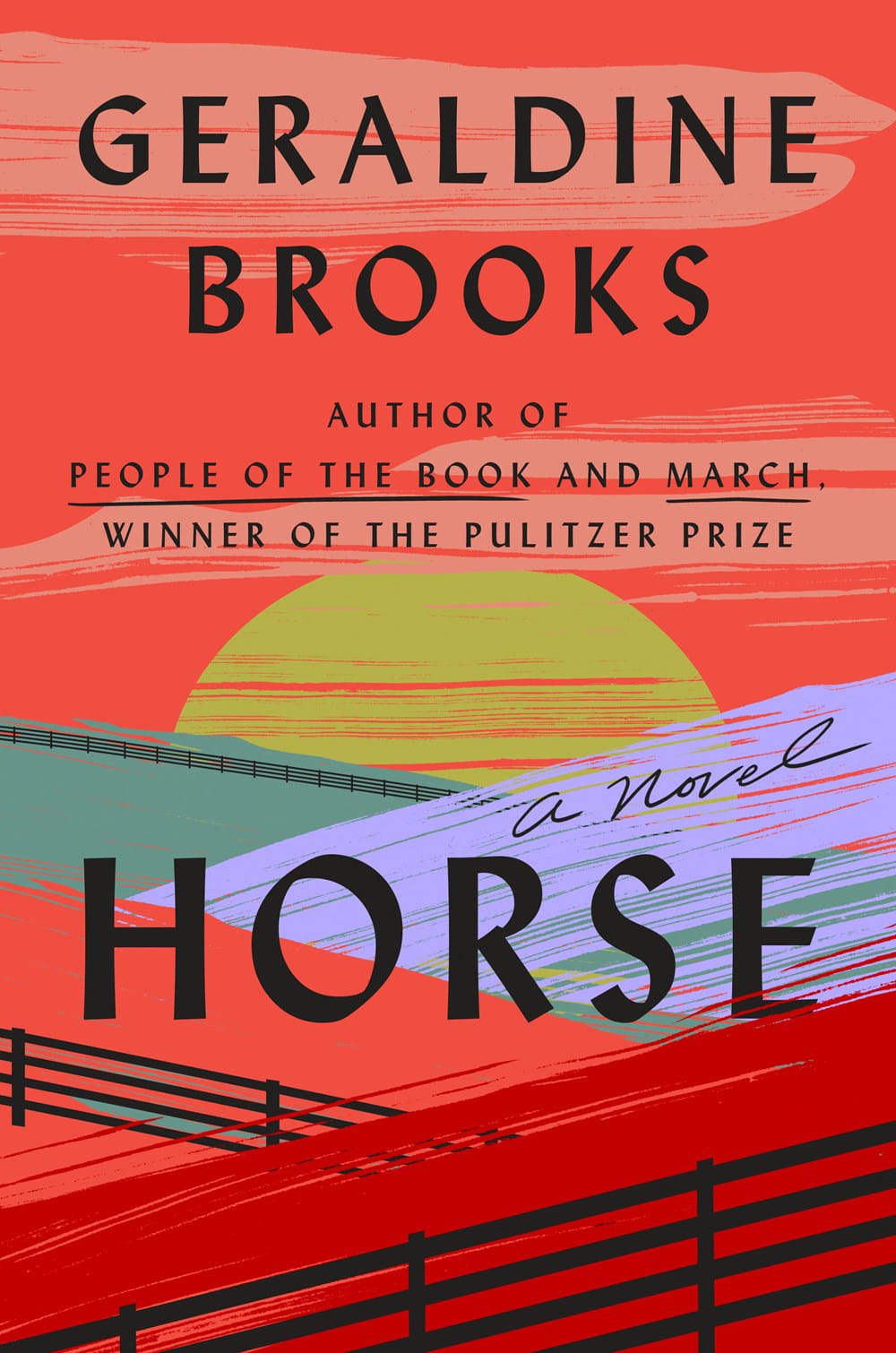
Geraldine Brooks’ Pulitzer Prize-winning novel, “Horse,” has captivated readers with its sweeping narrative that connects the Civil War-era American South to the modern-day art and science worlds. The central question that echoes long after the final page is turned is, is Geraldine Brooks’ Horse a true story? The answer is a fascinating blend of historical fact and brilliant fictional storytelling, where a very real, legendary horse serves as the heart of a story that resurrects forgotten histories.
While the novel’s contemporary plotline is a work of fiction, the historical thread is deeply rooted in the incredible true story of the greatest racehorse of the 19th century: Lexington. This is not just a tale about a horse; it’s an exploration of race, art, and the very nature of history itself, pieced together from meticulously researched facts and imagined truths. Understanding the real history behind “Horse” enriches the reading experience, revealing the depth of Brooks’ achievement in bringing these figures to life. Much like digging into whether is the novel horse based on a true story, separating fact from fiction unveils a more profound narrative.
The Unbelievable True Story of Lexington
At the core of the novel is a non-fictional, four-legged superstar. Lexington was a real bay stallion born in 1850, a horse so dominant that his story often feels like myth. He was a phenomenon in the world of Antebellum horse racing, a sport that captivated America long before the Kentucky Derby became its most famous event.
- Record-Breaking Career: Lexington was a racing machine. He won six of his seven starts, setting a new world record in his final race in 1855, running a four-mile heat in 7 minutes and 19 ¾ seconds. This record stood for over two decades. His dominance was so absolute that owners often refused to enter their horses in races against him, forcing his early retirement from the track.
- A Stud of Legendary Proportions: Lexington’s second career as a sire was even more impactful than his racing days. He became the leading sire in the United States sixteen times, a record that has never been broken. His progeny were so successful they dominated American racing for generations. Many famous racehorses, including Man o’ War and Secretariat, can trace their lineage back to him.
- Overcoming Adversity: A significant and true detail included in the novel is Lexington’s eventual blindness. The condition, likely caused by a genetic issue or an infection, forced him to spend the majority of his life in darkness. Despite this, he continued his duties as a stud, navigating his world through trust and sound.
Lexington was not just a horse; he was an icon of his time, a symbol of American sporting prowess and genetic perfection. Brooks faithfully captures his spirit, his power, and his importance to the era.
Uncovering the Real People from the Past
While Lexington is the anchor, Brooks masterfully reconstructs the lives of the people who surrounded him. Here, she walks a fine line between historical record and narrative necessity, especially when dealing with figures whose lives were poorly documented.
Jarret Lewis: The Groom Behind the Greatness
The soul of the novel’s historical timeline is Jarret, the enslaved groom who shares an unbreakable bond with Lexington. Jarret is based on a real person, though historical records are tragically sparse. We know from Lexington’s history that he was cared for by several enslaved grooms throughout his life. Brooks creates the character of Jarret by compositing details about these men, primarily a man named Jarret Lewis and another named Harry.
“History is not just what is written down, but also what is whispered, what is passed down through memory, and what is deliberately erased,” states Dr. Sarah Miller, a specialist in Antebellum Southern history. “Brooks’s work gives a voice to someone like Jarret, whose expertise and emotional connection to Lexington were undeniably real but were almost entirely omitted from the official record.”
The deep, intuitive connection Jarret has with the horse is a product of Brooks’s imagination, yet it represents a fundamental truth. The success of these magnificent horses was entirely dependent on the skill, knowledge, and dedication of the enslaved grooms who fed, trained, and cared for them around the clock. Brooks uses fiction to illuminate a history that was purposefully left in the shadows. This approach has parallels with other historical fiction, where authors often explore the human stories behind the facts, much like in various horse story books.
Thomas J. Scott: The Artist of Record
The character of Thomas J. Scott is also based on a real historical figure. Thomas J. Scott was an accomplished equine artist who was commissioned to paint Lexington. While the novel imagines a deeper relationship and a more complex backstory for him, the core facts are true. Scott did indeed travel to Kentucky to paint the famous horse, and his paintings are some of the most enduring images we have of Lexington today. Brooks uses Scott as a vehicle to explore the role of art in preserving, and sometimes sanitizing, history.
Where Fact Meets Fiction: The Novelist’s Craft
The most significant fictional component of “Horse” is the entire modern-day storyline. The characters of Theo, a Nigerian-American art historian, and Jess, an Australian scientist working at the Smithsonian, are entirely Brooks’s creations.
Their discovery of Lexington’s painting and skeleton, and their subsequent journey to uncover the story behind them, serves as a brilliant narrative frame. This contemporary plot allows Brooks to explore key themes from a modern perspective:
- Systemic Racism: Theo’s experiences with casual and overt racism in the present day create a powerful parallel to Jarret’s life under slavery. It underscores how the echoes of the past continue to reverberate in the present.
- The Nature of History: The differing approaches of Jess (scientific, evidence-based) and Theo (artistic, interpretive) highlight the different ways we can understand and reconstruct the past.
- Restoring Forgotten Narratives: The modern storyline is the engine that drives the re-discovery of Jarret’s story. It is a powerful statement about the importance of actively seeking out and honoring the histories of those who have been marginalized. The search for truth is a common thread in historical fiction, whether it’s uncovering the story of a horse or asking is horse by geraldine brooks a true story.
The Real Artifacts That Inspired the Novel
One of the most compelling aspects of the book is its connection to real, tangible objects that you can still see today. This is not fiction.
- The Skeleton: The articulated skeleton of Lexington is a real artifact. After his death in 1875, his owner, a testament to the horse’s fame, had his bones prepared and donated. For many years, it was on display at the United States National Museum, which is now the Smithsonian. Today, Lexington’s skeleton is housed at the International Museum of the Horse in Lexington, Kentucky.
- The Paintings: The many paintings of Lexington are also real. The artist Edward Troye, a contemporary of Thomas J. Scott, painted numerous portraits of the horse. A key painting, likely the one that inspired Brooks, resides in the collection of the Smithsonian American Art Museum.
These artifacts serve as the physical link between the past and the present, the factual basis from which Brooks spins her fictional tale. They are the evidence that grounds her powerful story in an undeniable reality.
Conclusion: A Story Both True and True to Life
So, is Geraldine Brooks’ “Horse” a true story? Yes, and no. It is a historical novel, not a biography. The book is not a literal, factual account of events as they happened. However, it is profoundly true in its depiction of the historical context, in its honoring of the real horse Lexington, and in its emotional honesty. Brooks takes the solid bones of historical fact—a legendary horse, a skilled groom, a moment in time—and breathes fictional life into them to tell a story that is both historically resonant and urgently contemporary. She masterfully blends documented history with imaginative empathy to create a narrative that feels truer than fact alone. The novel is a powerful testament to how fiction can illuminate the truths that history books often leave out.
