
Choosing the right food for your canine companion can feel overwhelming with the vast array of options available on the market. Understanding the benefits and drawbacks of each diet is crucial for making an informed decision that supports your dog’s health and well-being. Freeze-dried dog food has gained popularity as a minimally processed, raw meat-based alternative to traditional kibble. This article delves into what freeze-dried dog food entails, exploring its advantages and disadvantages to help you navigate this dietary choice.
Freeze-dried dog food is a type of commercially prepared diet that primarily consists of raw ingredients. It differs from other dog foods because of its minimal processing and raw nature, appealing to pet owners seeking less processed options. The freeze-drying process is key to its unique characteristics. It involves freezing the food and then removing the water content through sublimation, a process where ice turns directly into vapor under low pressure and heat. This method preserves the food’s integrity, including its taste, smell, and overall structure, while also extending its shelf life.
The ingredients in freeze-dried dog food can vary but often include meat, fruits, vegetables, natural preservatives, vitamins, minerals, antioxidants, amino acids, fish oil, and probiotics. Some formulations also incorporate bone for added calcium and phosphorus. Unlike many conventional dog foods, these diets typically exclude grains and starches, relying on their high protein content for energy and digestibility. However, due to the specialized and costly freeze-drying process, this type of food is generally more expensive than standard kibble.
Advantages of Freeze-Dried Dog Food
The appeal of freeze-dried dog food lies in several key benefits:
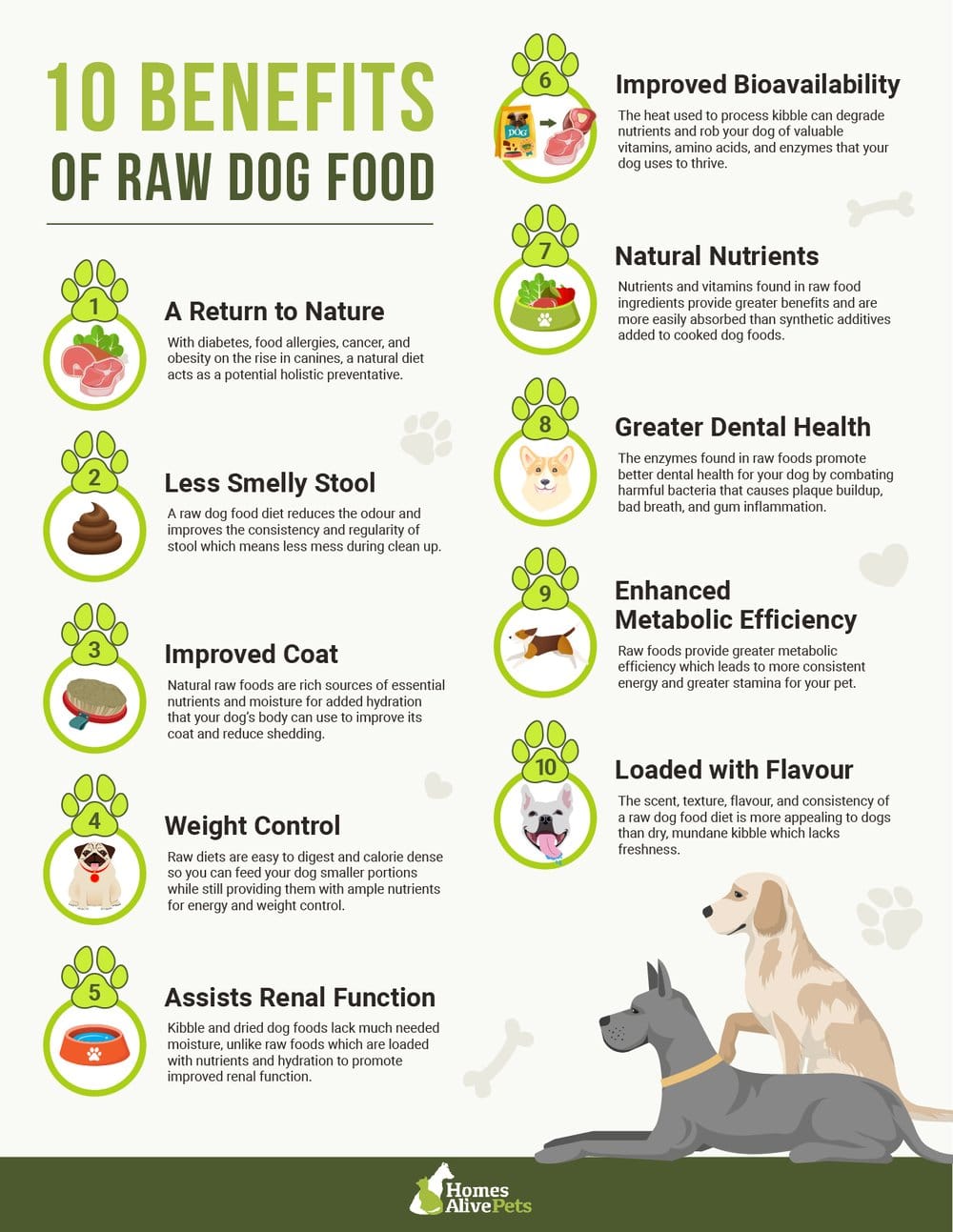
- Extended Shelf Life: The removal of moisture during the freeze-drying process significantly extends the food’s shelf life, provided it is stored according to the manufacturer’s instructions. This makes it a convenient option for pet owners.
- Ingredient Integrity: Freeze-drying is a gentle process that maintains the natural state of the ingredients. This means the nutritional content, palatability, and texture are largely unaffected, which can be highly beneficial for nutrient absorption and your dog’s enjoyment of the meal.
- Natural Preservation: Beyond the inherent preservation from moisture removal, many freeze-dried foods also incorporate natural preservatives, such as tocopherols (a form of vitamin E), further enhancing their natural composition.
- Nutrient Density: Because the nutrients are not degraded by high heat or extensive processing, freeze-dried foods are considered nutrient-dense, offering a concentrated source of essential vitamins and minerals.
- Enhanced Digestibility: The freeze-drying process does not typically denature the enzymes present in the raw ingredients. This can make the food easier for dogs to digest, potentially leading to better nutrient absorption and fewer digestive issues for some pets. Freeze-dried dog food offers a palatable, nutrient-dense diet option that is minimally processed and raw-meat based. Many companies produce these diets as a natural alternative to other commercially produced dog foods.
Disadvantages of Freeze-Dried Dog Food
Despite its advantages, freeze-dried dog food also presents some considerations:
- Potential for Pathogens: While freeze-drying is a preservation method, it does not eliminate all pathogens that may be present in raw ingredients. This is a significant concern for veterinary associations, who often recommend against feeding raw diets due to potential food safety risks for both pets and humans.
- Cost: As mentioned, the freeze-drying process is energy-intensive and requires specialized equipment, making freeze-dried dog food considerably more expensive than conventional kibble. This can be a barrier for some pet owners.
- Palatability for Some Dogs: While many dogs readily accept freeze-dried food, some may be accustomed to the texture and taste of kibble and might require an adjustment period.
Frequently Asked Questions About Freeze-Dried Dog Food
Is freeze-dried dog food better than dry food?
Currently, there is a lack of comprehensive scientific research definitively stating that freeze-dried food is superior to commercially produced kibble in all aspects. The recommendation against raw diets by several national veterinary associations, due to food safety concerns, is an important factor to consider.
What is the purpose of freeze-dried dog food?
The primary purpose of freeze-dried dog food is to provide a palatable, nutrient-dense, and minimally processed diet option based on raw meat. It serves as a natural alternative for pet owners who are wary of highly processed commercial dog foods.
Is freeze-dried dog food the same as kibble?
No, freeze-dried dog food is fundamentally different from kibble. Freeze-dried food is a minimally processed raw diet prepared using low heat, preserving much of the original nutritional integrity. Kibble, on the other hand, is a highly processed food that undergoes cooking at high temperatures, which can alter its nutritional profile.
Making an Informed Decision
Pet parents have a multitude of food choices for their dogs, and carefully weighing the pros and cons of each option is essential. Consulting with your veterinarian is the most crucial step in making an informed decision about the best diet for your pet. Your vet can discuss the benefits and disadvantages of various diets, taking into account your dog’s specific health needs, age, breed, and activity level, and help guide you toward the optimal choice for their long-term health and well-being.
