
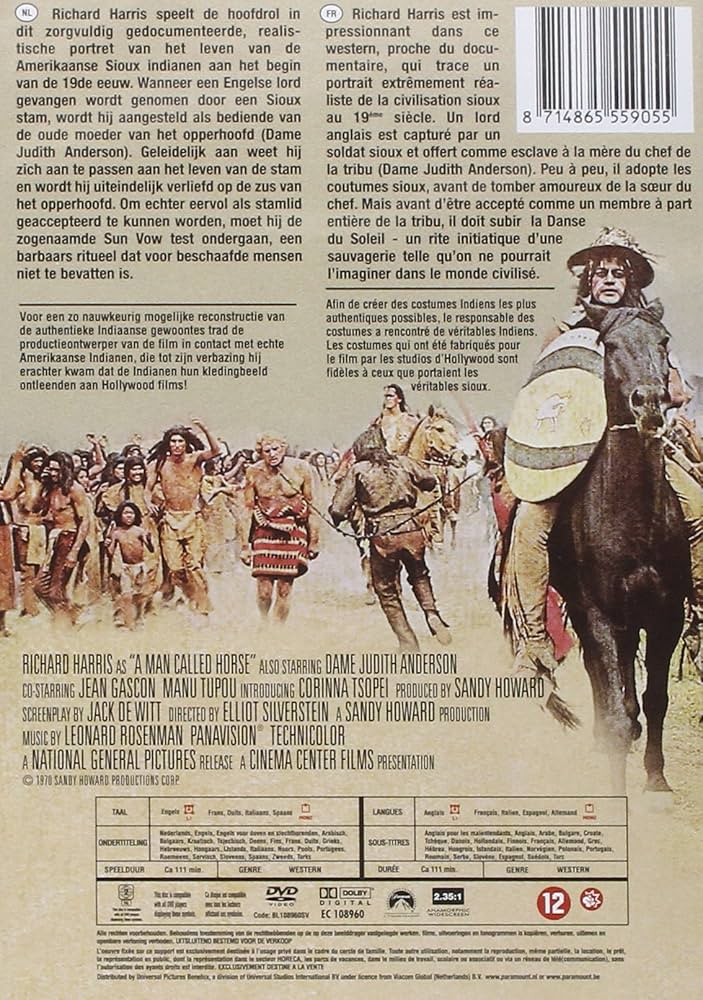
The epic tale of a man called Horse, a British nobleman who is captured by Native Americans and comes to live among them, has captivated audiences for decades. But as with many powerful stories, a question often arises: is “A Man Called Horse” a true story? While the film is a compelling narrative of cultural immersion and personal transformation, it’s important to understand that the story is a fictionalized account, drawing inspiration from historical themes rather than being a direct biography. The movie, and its sequels, explore the dramatic possibilities of a European adopting Native American ways, but they do not represent a single, factual event.
The Genesis of “A Man Called Horse”
The 1970 film “A Man Called Horse,” starring Richard Harris, was based on a short story of the same name by Dorothy M. Johnson. Johnson was a prolific writer of Western fiction, known for her meticulous research and her ability to portray Native American cultures with a degree of authenticity that was rare in Hollywood at the time. However, even Johnson’s original work was a work of fiction, intended to explore the theme of cultural adaptation and the inherent humanity that can bridge seemingly vast divides. The name “A Man Called Horse” itself signifies a transformation, a new identity forged through experience rather than birthright.
Historical Inspirations and Fictional Liberties
While the specific character of Lord John Morgan and his journey are fictional, the film and its source material were undoubtedly influenced by historical accounts and anthropological studies of Native American tribes, particularly those of the Plains. The story touches upon themes such as:
- Vision Quests: The ordeal Morgan endures, involving self-torture and spiritual seeking, echoes the vision quest practices found in various Native American traditions, where individuals would seek spiritual guidance or a new direction in life.
- Cultural Assimilation: The film vividly depicts the challenges and eventual acceptance Morgan finds within the tribe. This reflects, in a broad sense, the complex interactions and sometimes forced assimilation that occurred between Native Americans and European settlers.
- Tribal Life and Rituals: The movie showcases aspects of tribal life, including hunting, ceremonies, and social structures. These elements were inspired by real practices, though they were dramatized for cinematic effect.
However, it’s crucial to remember that Hollywood historically has often taken significant liberties with such portrayals. The film’s depiction, while praised for its relative respectfulness compared to other Westerns of its era, still filtered these cultural elements through a Western lens, prioritizing narrative drama over strict historical accuracy.
Distinguishing Fiction from Fact in Western Narratives
The “is it true?” question surrounding “A Man Called Horse” is common for many historical dramas. It highlights a fascination with the lives of Native Americans and the era of westward expansion. It’s also worth noting that there are other narratives that explore similar themes. For instance, Chinese stories sometimes feature figures who adopt different ways of life or are associated with animals in profound ways, though the contexts differ greatly from the Western genre.
When engaging with stories like “A Man Called Horse,” it’s most productive to appreciate them as fictional works that use historical settings and cultural themes to tell a compelling human story. They can serve as a gateway to learning more about the rich and diverse histories of Native American peoples, encouraging further research into actual historical events and cultural practices.
The Enduring Appeal of the “Man Called Horse” Narrative
The enduring appeal of “A Man Called Horse” likely stems from its powerful exploration of identity, belonging, and the universal human desire for connection and meaning. Lord John Morgan’s journey from a privileged outsider to an integrated member of the tribe resonates because it speaks to the transformative power of deep cultural experience. The narrative invites viewers to consider what it truly means to be part of a community and how profound experiences can reshape one’s perspective on life.
While not a factual account, “A Man Called Horse” remains a significant piece of cinema that, for many, opened a window into understanding different cultures and the complexities of the American West. It encourages us to look beyond the surface and appreciate the deeper human stories that often lie at the heart of legend and myth.
