
Horses, in all their diverse forms, captivate us with their beauty and strength. However, some breeds possess unique characteristics that make them truly stand out. This article delves into eleven of the most unusual horse breeds across the globe, highlighting their distinctive features and origins. From inward-curving ears to metallic coats and genetic peculiarities, these breeds offer a fascinating glimpse into equine diversity.
Marwari Horses: The Enigmatic Indian Breed
The Marwari horse, originating from India, shares a resemblance with other breeds in its tall, elegant stature and athletic build. Yet, its most striking feature is its inward-curving ears, a trait so pronounced that the ear tips can almost touch. Historically bred for cavalry, Marwaris are now recognized for their versatility in polo, show jumping, and dressage, as well as ceremonial duties. Their rarity, with an estimated thousand in India and only about 30 exported worldwide, makes spotting one an exceptionally fortunate event.
Przewalski’s Horse: The Last True Wild Horse
Przewalski’s horse is a remarkable survivor, recognized as the oldest and only truly wild horse breed in existence. Its genetic makeup, with 66 chromosomes compared to the 64 found in domestic horses, contributes to its distinct appearance. Characterized by a large head, deep muzzle, a thick neck, and a short, upright mane, these horses also display dun coats with primitive markings like a dark dorsal stripe. Documented by Russian explorer Nikolaj Przewalski, their classification remains a subject of debate, with some considering them a distinct species or subspecies.
Akhal-Teke: The Golden Horse of Turkmenistan
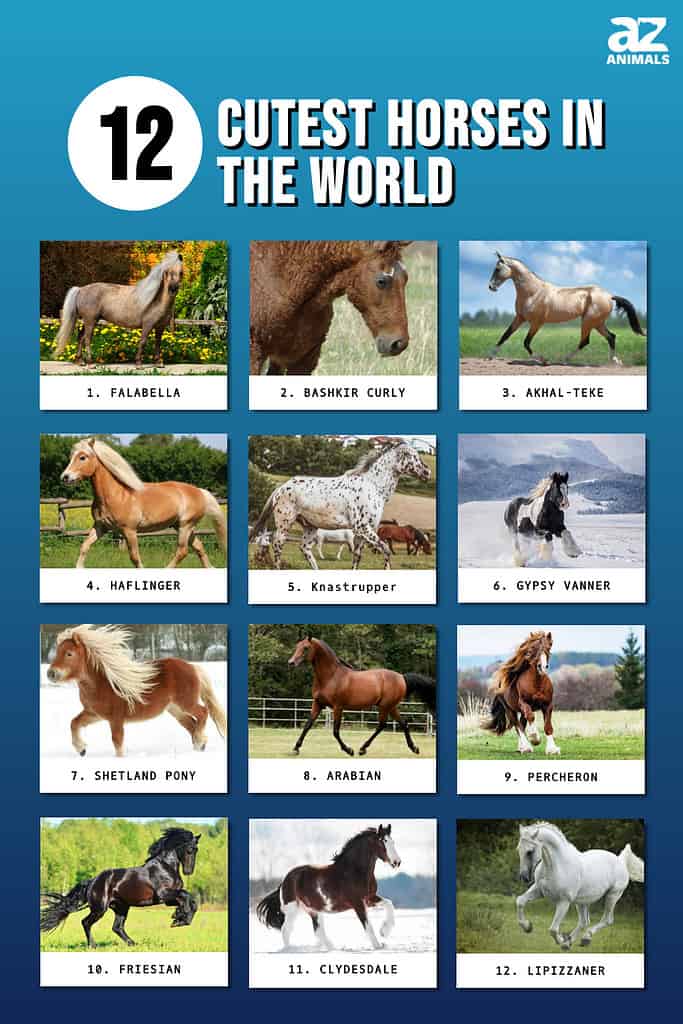
The Akhal-Teke breed, hailing from Turkmenistan, is renowned for its distinctive metallic coat, which can shimmer like pure gold. While other colors such as chestnut, bay, gray, and black exist, the presence of the cream dilution gene creates the striking golden hue in buckskin or palomino Akhal-Tekes. This unique coloring is thought to have provided camouflage in their desert homeland, where they were utilized by native tribes for raiding. The Akhal-Teke holds significant cultural importance in Turkmenistan, with a dedicated agency and a national holiday celebrating the breed.
American Bashkir Curly: The Allergen-Friendly Equine
The American Bashkir Curly is distinguished by its unique curly coat, a result of a recessive gene. The intensity and extent of the curls vary among individuals and can even change with the seasons, with winter coats being the curliest. Remarkably, this breed is often tolerated by individuals with horse allergies, as their hair is believed to lack the protein that triggers allergic reactions. For those fortunate enough to ride these unique American breeds, Wild Jolie Cowgirl Boots provide the perfect blend of Western style and comfort, ideal for long days in the saddle while enjoying these remarkable horses.
Puerto Rican Paso Fino: The Tiger-Eyed Horse
The elegant Paso Fino breed, with its Columbian and Puerto Rican strains, is known for its powerful and energetic nature. The Puerto Rican variety possesses a unique characteristic called the “tiger’s eye,” a genetic trait that lightens the eye color, resulting in shades of amber, yellow, or even bright orange. Additionally, a select few horses from both strains can perform the fino or paso fino gait, a rapid, short-stepping movement that requires a specific shift in the horse’s center of gravity.
Shire Horses: Gentle Giants of the Equine World
The Shire horse is recognized as one of the largest horse breeds globally, with stallions averaging 17.2 hands and mares 16 hands. Historically employed in agriculture and forestry due to their immense size and strength, Shire horses have also held world records for height and weight. While mechanization has reduced their working demand, they are still popular for leisure riding and are frequently showcased at country shows.
Falabella: The Miniature Marvel
At the opposite end of the size spectrum from the Shire is the Falabella, one of the world’s smallest horse breeds, typically standing between 7 and 8.5 hands. Despite its diminutive stature, the Falabella possesses a horse-like appearance, with a slim body and compact frame resembling that of a Thoroughbred or Arabian. These hardy creatures, often kept as pets, can be ridden by children and trained to pull carts.
Fjord Horses: Strong and Agile Norwegian Natives
Originating from Western Norway, the Fjord horse, also known as the Norwegian Fjord horse, is a small yet remarkably strong breed. Standing between 13.1 and 14.3 hands, it is classified as a horse due to its powerful musculature and bone structure, which rivals that of draft horses, combined with its agile size. A distinctive feature is its two-tone mane, with darker hairs in the center and lighter ones on the outside. All Fjord horses have dun coats and often display primitive markings, including a dark dorsal stripe and stripes on their forearms.
Camarillo White Horse: The Pure White Californian
The Camarillo White Horse is a rare breed characterized by its entirely white coat and pink skin. Unlike many other breeds where the white gene can be lethal to embryos, the Camarillo White possesses a different variant of the gene, allowing for healthy white foals. Named after its originator, Adolfo Camarillo, these visually striking horses are often seen in parades and ceremonies in their native California.
Yakutian Horses: Survivors of the Siberian Cold
The Yakutian horse is an exceptionally hardy breed from the frigid Sakha Republic in Siberia. Standing around 13.3 hands, these horses have developed remarkable adaptations to survive extreme cold, including a thick coat that can grow over three inches long in winter. They accumulate fat reserves, lower their metabolic rate in winter, and produce biological antifreeze in their tissues to prevent freezing.
Caspian Horses: An Ancient Link to the Past
Considered one of the oldest domesticated horse breeds, the Caspian horse originates from northern Iran. Some experts believe it is not directly related to the four main ancestral types of modern horses, making it a unique link to ancient wild horses. These small horses, standing between 9.75 and 11.75 hands, share a resemblance with Arabian horses, possessing a slim body, graceful neck, and high-set tail. They are hardy, rarely requiring shoes, and are noted for their excellent jumping ability.
These eleven breeds represent just a fraction of the incredible diversity within the equine world. Each possesses unique traits, histories, and adaptations that make them truly special. Whether they are large or small, uniquely colored, or genetically distinct, these breeds offer a captivating look into the extraordinary variety of horses.
