
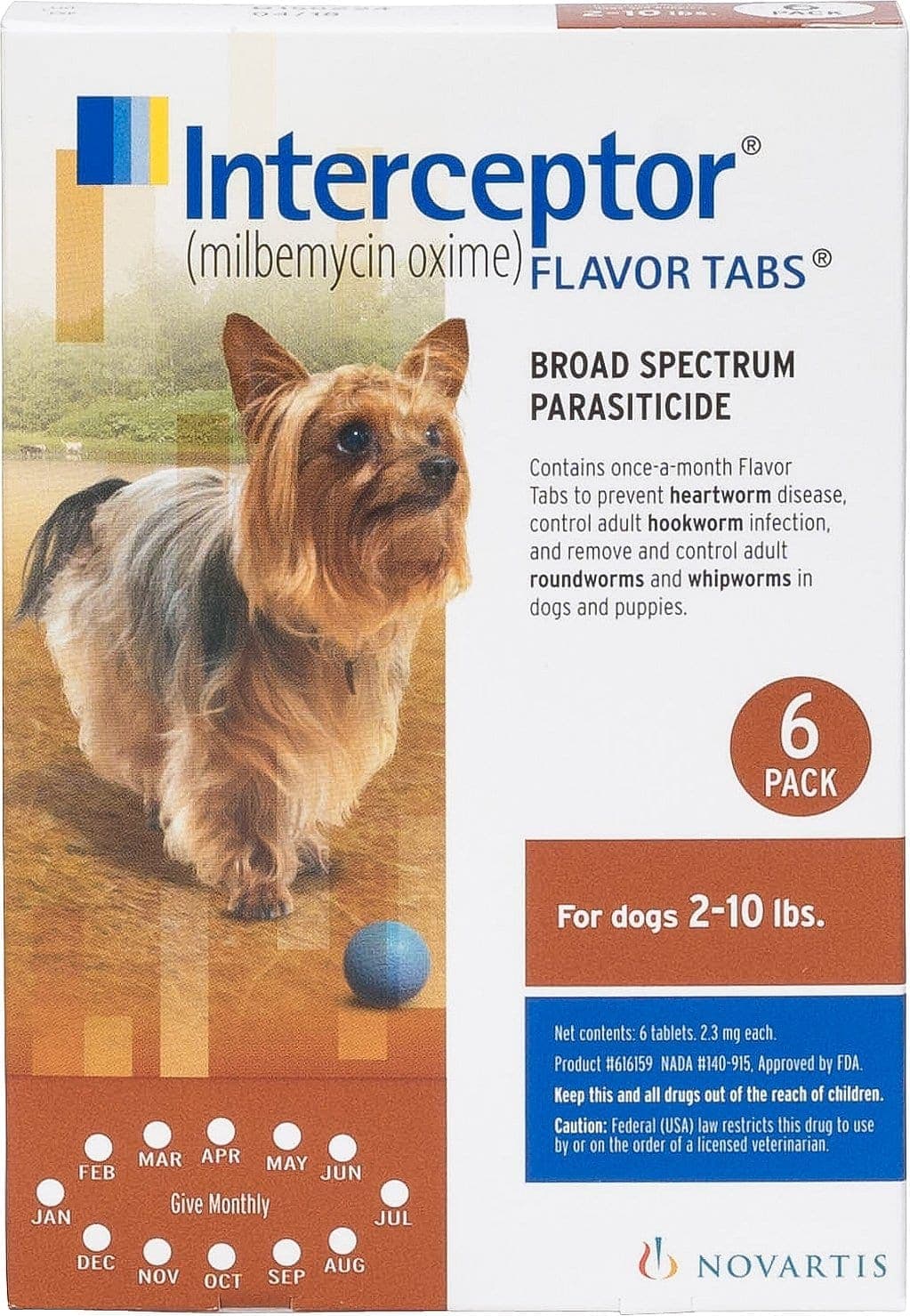
As a dedicated pet owner, ensuring your furry companion is protected from internal parasites and deadly heartworms is paramount. Medications like Interceptor® and Interceptor® Plus play a crucial role in this preventative care. This article delves into what these medications are, how they work, their administration, potential side effects, and storage guidelines, drawing from expert veterinary information. Interceptor® is a monthly medication designed for the prevention of heartworms in both dogs and cats, featuring the active ingredient milbemycin oxime.
What is Interceptor®?
Interceptor® is a veterinary-prescribed medication specifically formulated to prevent heartworm disease in dogs and cats. For dogs, it offers additional benefits by controlling hookworms and treating/controlling roundworms and whipworms. It is suitable for dogs and puppies weighing over 2 pounds and aged 4 weeks or older. In cats, Interceptor® also combats roundworms and hookworms and is intended for kittens and cats weighing over 1.5 pounds and 6 weeks of age or older.
What is Interceptor® Plus?
Interceptor® Plus is an advanced formulation that includes two active ingredients: milbemycin oxime and praziquantel. This combination not only prevents heartworm disease but also treats and controls hookworms, roundworms, whipworms, and tapeworms. Interceptor® Plus is recommended for dogs and puppies weighing more than 2 pounds and older than 6 weeks of age. The inclusion of praziquantel specifically targets tapeworms, offering broader intestinal parasite protection.
Mechanism of Action: How They Work
The primary active ingredient, milbemycin oxime, functions by increasing the permeability of the parasite’s cell membrane to chloride ions. This disrupts the nervous system of susceptible worms like heartworms, roundworms, and hookworms, leading to paralysis and death. Praziquantel, found in Interceptor® Plus, enhances protection against tapeworms. While its exact mechanism is not fully understood, it is believed to disrupt the parasite’s muscle integrity, causing paralysis.
Administration Guidelines
Interceptor® and Interceptor® Plus are administered orally once a month. They can be given with or without food. The chewable tablets can be broken into smaller pieces for easier administration, ensuring the pet consumes the entire dose. If you suspect your pet did not consume the full chewable, it is recommended to administer a new one.
Missed Doses
If a dose is missed, administer it as soon as you remember. The medication should ideally be given every 30 days. If your veterinarian has prescribed a different schedule, follow their specific instructions. Avoid giving double doses to compensate for a missed one.
Potential Side Effects
While generally safe, some pets may experience side effects, though these are uncommon. Reported side effects include vomiting, diarrhea, loss of appetite, lethargy, lack of coordination, drooling, weakness, and in rare cases, convulsions or salivation. It is crucial to monitor your pet for any adverse reactions.
Human Safety
These medications are intended for veterinary use only. If a human accidentally ingests pet medication, contact a physician or the national Poison Control Center immediately.
Monitoring and Testing
Before starting Interceptor® or Interceptor® Plus, it is recommended that all pets undergo a heartworm test to detect any existing infection. Dogs with a confirmed heartworm infection should be treated to eliminate adult heartworms before commencing a preventative regimen, as an allergic reaction to dying microfilariae can occur. The safety of Interceptor® in heartworm-positive cats has not been established. Your veterinarian may recommend other specific monitoring or tests based on your pet’s individual health needs.
Overdose Information
Symptoms of an overdose can include vomiting, incoordination, lethargy, drooling, and tremors. If an overdose is suspected, contact your veterinarian or an animal poison control center immediately. Consultation fees may apply.
Key Resources for Overdose:
- Pet Poison Helpline (855) 764-7661
- ASPCA Animal Poison Control (888) 426-4435
Storage Recommendations
Interceptor® and Interceptor® Plus should be stored at room temperature, typically between 59-77°F (15-25°C). To protect from moisture and light, keep the medication in its original blister pack until administration. Always store these medications out of reach of children and pets.
Frequently Asked Questions
What is the difference between Interceptor® and Interceptor® Plus for dogs?
The primary difference is that Interceptor® Plus contains praziquantel, an ingredient that specifically targets and protects against tapeworms, in addition to the broad-spectrum protection offered by milbemycin oxime.
Can Interceptor® Plus and Bravecto® be given concurrently?
Yes, Interceptor® Plus (for internal parasites and heartworms) and Bravecto® (for external parasites like fleas and ticks) can typically be used together safely in dogs. However, it’s always best to consult your veterinarian to create a tailored prevention plan for your pet’s specific needs.
How long does Interceptor® Plus remain active in a dog’s system?
Interceptor® Plus is a monthly medication. After oral administration, it generally remains active in a dog’s system for approximately 1-2 days.
This information is intended to supplement, not replace, professional veterinary advice. Always consult your veterinarian for any questions regarding your pet’s health and medication.
