
Introduction
Welcoming a furry friend into your home is a joyous occasion, and ensuring their health and happiness is paramount. While commercial dog food offers convenience, many pet parents are exploring homemade options to supplement their dog’s diet, providing fresh, wholesome ingredients. This recipe is designed to be a nutritious and delicious addition to your dog’s regular kibble, offering a boost of vitamins and minerals. It’s particularly useful for picky eaters or as a way to introduce new flavors and textures. Remember, consistency in feeding is key, and any new food should be introduced gradually to avoid digestive upset.
Why Supplement Your Dog’s Diet?
Commercial dog food provides a balanced diet, but sometimes our canine companions need a little extra. This could be due to specific health needs, recovery from illness, or simply to enhance the nutritional value of their meals. Homemade supplements allow you to control the ingredients, ensuring your dog receives high-quality, fresh components. For instance, adding certain vegetables can introduce antioxidants and fiber, contributing to overall well-being. If you’re considering a more tailored dietary approach, exploring options like best dog food for small dogs with allergies might be beneficial in understanding specific nutritional requirements.
A Simple & Nutritious Recipe
This recipe focuses on easily digestible ingredients that are safe and beneficial for most dogs.
Ingredients:
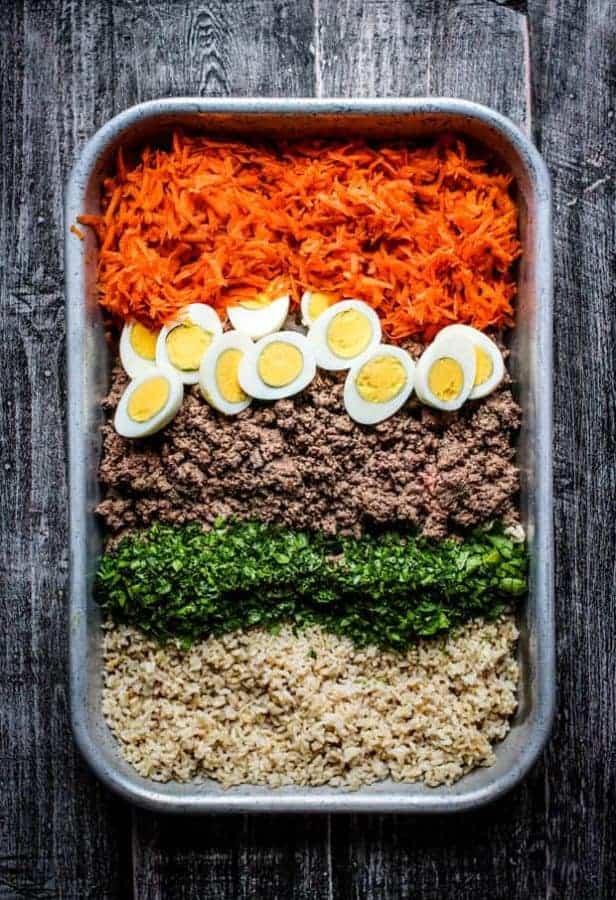
- 1 cup cooked brown rice
- 1 cup cooked lean ground turkey or chicken (or other lean protein)
- 1/2 cup cooked carrots, finely chopped
- 1/2 cup cooked peas
- 1/4 cup cooked green beans, finely chopped
Instructions:
- Cook the Rice: Prepare brown rice according to package directions.
- Cook the Protein: Cook the ground turkey or chicken thoroughly. Drain any excess fat.
- Prepare the Vegetables: Steam or boil the carrots, peas, and green beans until tender. Chop them into small, manageable pieces suitable for your dog’s size.
- Combine: In a bowl, mix the cooked brown rice, protein, and all the chopped vegetables.
- Serve:
- As a supplement: Mix a portion of this homemade supplement with your dog’s regular kibble. A good starting point is a 1:1 ratio or adjust to your dog’s preference.
- As a treat: Serve small portions as a healthy and rewarding treat.
Storage
Leftovers can be stored in an airtight container in the refrigerator for up to 5-7 days. For longer storage, divide the mixture into portion-sized containers and freeze. Thaw in the refrigerator overnight before serving.
Important Considerations and Safety Precautions
Disclaimer: I am not a veterinarian or canine nutritionist. The information provided is based on general knowledge and should not replace professional veterinary advice. Always consult with your licensed veterinarian before making significant changes to your dog’s diet.
- Serving Size: Serving size will vary greatly depending on your dog’s breed, size, age, and activity level. For a small dog (around 15 pounds), a common serving might be 1/3 to 1/2 cup twice a day, potentially split between morning and evening meals. For larger breeds, you can simply scale up the recipe.
- Dietary Transitions: When introducing new foods, it’s recommended to do so gradually. Mix a small amount of the homemade supplement with your dog’s current food for a few days, slowly increasing the proportion to allow their digestive system to adjust.
- Allergies and Sensitivities: Every dog is unique and may react differently to certain ingredients. Monitor your dog for any signs of digestive upset, such as changes in stool color or consistency, after introducing this supplement.
- Foods to NEVER Feed Dogs: Be extremely cautious about ingredients. Absolutely never feed dogs onions, garlic, mushrooms, raisins, grapes, or chocolate, as these are toxic and can cause severe health problems.
- Supplement vs. Complete Meal: This recipe is intended as a supplement or a treat, not a complete and balanced meal replacement. Ensure your dog’s primary diet consists of a high-quality commercial dog food that meets AAFCO standards, unless otherwise directed by your veterinarian. For those seeking specific dietary solutions, resources like natural treats can offer additional ideas for healthy additions.
Conclusion
Incorporating homemade supplements like this recipe can be a rewarding way to enhance your dog’s nutrition and well-being. By using fresh, wholesome ingredients and adhering to safety guidelines, you can provide your canine companion with delicious and healthy additions to their diet. Always prioritize your veterinarian’s advice and observe your dog’s individual needs and responses. For further insights into canine nutrition and specialized diets, exploring options such as best dog food for goldendoodle puppies or bil jac frozen dog food might provide valuable information.
References
User provided text.
