
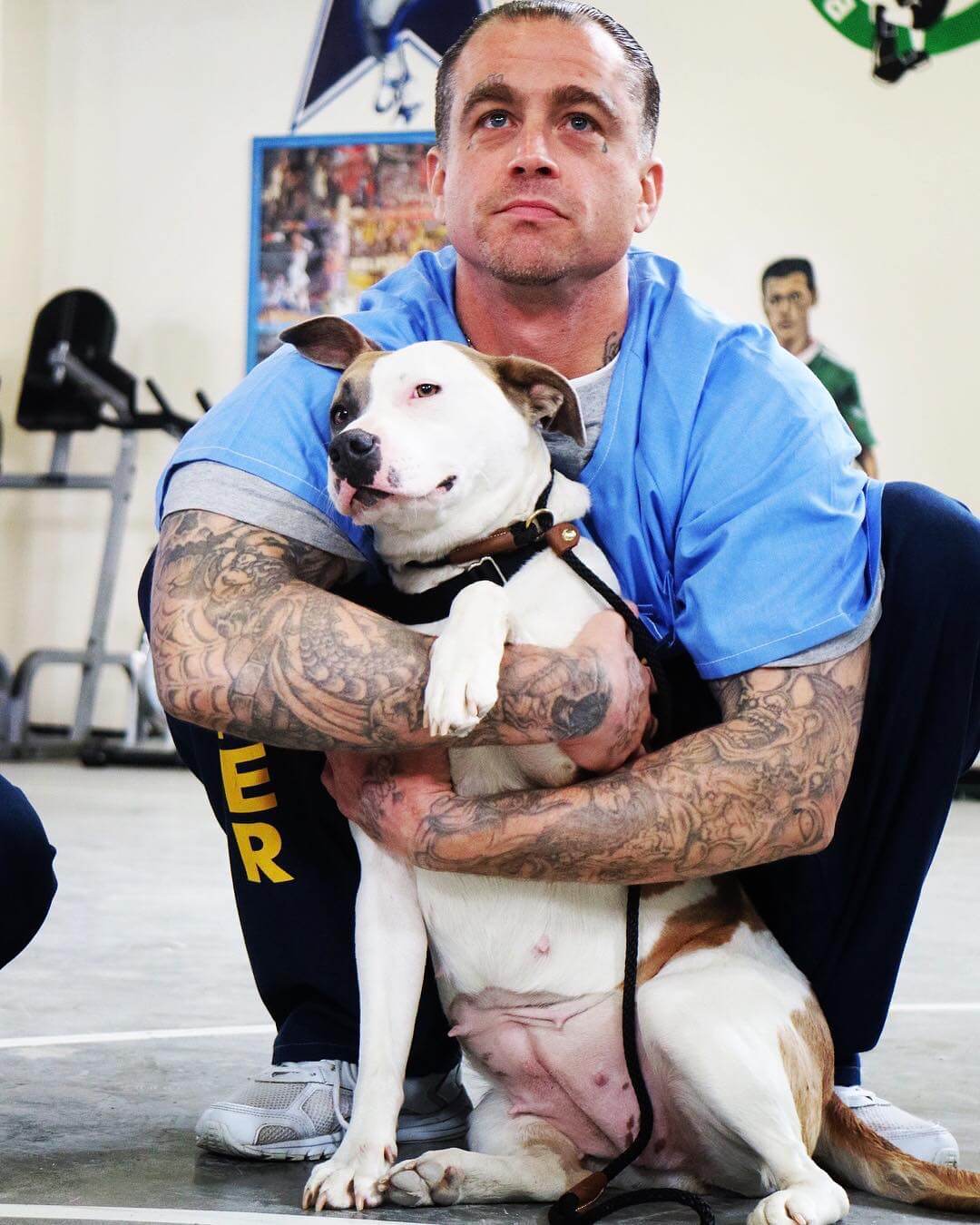
The bond between humans and dogs is ancient and profound, a relationship built on loyalty, companionship, and mutual understanding. For many, dogs are cherished family members, bringing joy and unconditional love into their lives. However, for individuals incarcerated within the prison system, the opportunity to experience this unique connection is often out of reach. This is where innovative programs, often referred to as Inmate Dog Training Programs, step in, offering a powerful avenue for rehabilitation, skill development, and the transformation of lives – both human and canine. These programs are more than just a way to pass the time; they are life-changing initiatives that foster empathy, responsibility, and a sense of purpose.
The Genesis of Hope: Understanding Inmate Dog Training Programs
At their core, inmate dog training programs pair incarcerated individuals with shelter or rescue dogs in need of training and socialization. These programs operate on a simple yet incredibly effective premise: by working together, both the inmate and the dog can achieve rehabilitation and find a path towards a brighter future. Dogs, often abandoned or surrendered due to behavioral issues, are given a chance to learn basic obedience, overcome anxieties, and become more adoptable. Simultaneously, inmates are provided with a unique opportunity to develop practical skills, cultivate a sense of responsibility, and experience the unconditional affection of a canine companion.
The origins of these programs can be traced back to the late 20th century, with early initiatives demonstrating remarkable success in reducing recidivism rates and improving the overall atmosphere within correctional facilities. Over the years, these programs have evolved, incorporating more sophisticated training methodologies and a greater focus on the therapeutic benefits for both participants.
More Than Just Tricks: The Multifaceted Benefits
The advantages of inmate dog training programs extend far beyond the ability to teach a dog to sit or stay. They create a ripple effect of positive change, impacting individuals, the animals involved, and the wider community.
For the Inmates: A Path to Redemption and Reintegration
- Developing Responsibility and Empathy: Caring for a living being requires a deep sense of responsibility. Inmates learn to anticipate a dog’s needs, provide consistent care, and understand the impact of their actions on another creature. This fosters a profound sense of empathy, often a crucial element in an individual’s journey towards personal growth.
- Building Trust and Communication Skills: Training a dog relies heavily on clear communication and building trust. Inmates learn to interpret a dog’s body language, provide consistent commands, and celebrate small victories. This process enhances their ability to communicate effectively and build positive relationships, skills that are invaluable upon release.
- Reducing Recidivism: Studies have consistently shown that participation in these programs can significantly lower recidivism rates. By developing a stronger sense of self-worth, acquiring new skills, and forming a positive bond, inmates are often less likely to return to criminal behavior.
- Gaining Vocational Skills: Many programs offer formal training in animal behavior, obedience training, and even grooming. This provides inmates with marketable vocational skills that can lead to employment opportunities after their release, making their reintegration into society smoother and more sustainable.
- Improving Mental and Emotional Well-being: The unconditional love and companionship of a dog can have a profound impact on mental health. Inmates often report reduced stress, anxiety, and feelings of isolation. The consistent presence of a dog provides comfort and a sense of purpose.
For the Dogs: A Second Chance at a Loving Home
- Behavioral Rehabilitation: Many shelter dogs arrive with behavioral issues stemming from past trauma or lack of socialization. The structured environment and consistent training provided by inmates help these dogs overcome fear, aggression, and anxiety, making them more adoptable.
- Increased Adoptability: A well-trained and socialized dog is far more likely to find a forever home. The skills learned through these programs significantly improve the dogs’ chances of being adopted into loving families.
- Socialization: Inmates provide crucial socialization for the dogs, exposing them to human interaction in a positive and consistent manner. This helps the dogs become more comfortable and confident in various social settings.
- Lifesaving Opportunity: For many of these dogs, participation in an inmate training program is a literal lifeline, saving them from euthanasia due to overcrowding or behavioral challenges.
For the Community: A Cycle of Positive Impact
- Reducing Shelter Overcrowding: By successfully training and socializing dogs, these programs help reduce the number of animals in shelters, alleviating the strain on these organizations.
- Providing Well-Trained Companions: Adopters receive dogs that are not only healthy but also well-behaved and socialized, leading to more successful and lasting placements.
- Fostering a More Compassionate Society: The success stories emanating from these programs inspire hope and demonstrate the transformative power of second chances, encouraging a more compassionate and understanding approach towards both formerly incarcerated individuals and rescue animals.
How It Works: The Mechanics of Transformation
While program specifics can vary, the general structure of inmate dog training initiatives often follows a similar pattern:
- Dog Selection: Shelter or rescue organizations partner with correctional facilities to identify dogs that would benefit from intensive training. These are often dogs that may have behavioral challenges making them less likely to be adopted.
- Inmate Selection and Training: Inmates interested in participating undergo a screening process, which may include an application, interview, and assessment of their behavior and commitment. Selected inmates then receive training on canine behavior, positive reinforcement techniques, and the responsibilities of caring for a dog.
- The Training Period: Inmates live with their assigned dogs in a designated unit within the prison. They are responsible for the dog’s daily care, including feeding, grooming, exercise, and consistent training sessions. This immersive experience fosters a deep bond between the inmate and the dog.
- Graduation and Adoption: Upon completion of the program, typically after several months, the dogs undergo a final evaluation. Many of these dogs are then available for adoption by the public. Some programs also facilitate the adoption of the dogs by the inmate’s family or support network.
- Post-Release Support: Some programs offer ongoing support to both the dog and the inmate after release, helping to ensure a smooth transition and continued success. This might include connecting them with local training resources or support groups.
Challenges and Considerations
Despite their immense benefits, inmate dog training programs are not without their challenges.
- Funding and Resources: Securing consistent funding is often a primary hurdle. These programs require resources for dog care, training equipment, veterinary services, and program staff.
- Facility Constraints: Not all correctional facilities are equipped to house animals. Modifications to facilities, such as outdoor runs and specialized living areas, may be necessary.
- Staff Training and Support: Program coordinators and correctional officers require specialized training to effectively manage and support these initiatives.
- Inmate Turnover: The transient nature of prison populations can disrupt the long-term bonding process, as inmates may be released or transferred, necessitating new pairings.
- Ensuring Animal Welfare: The paramount concern must always be the well-being of the dogs. Rigorous screening of dogs, proper care protocols, and the availability of veterinary support are essential.
The Enduring Power of the Human-Animal Bond
Programs like those focused on inmate dog training demonstrate the profound and often unexpected ways the human-animal bond can foster healing and transformation. They offer a tangible solution to complex issues, providing a pathway for both dogs and humans to overcome adversity and find a renewed sense of purpose. For inmates, it’s a chance to contribute positively, learn invaluable life skills, and experience the redemptive power of unconditional love. For the dogs, it’s a new beginning, a chance to leave behind a troubled past and embrace a future filled with companionship and security. As these programs continue to grow and evolve, they stand as powerful testaments to the rehabilitative potential inherent in the simple, yet extraordinary, connection we share with our canine friends.
Frequently Asked Questions About Inmate Dog Training Programs
What is the primary goal of inmate dog training programs?
The primary goals are to aid in the rehabilitation of incarcerated individuals by teaching them responsibility, empathy, and vocational skills, while simultaneously providing shelter dogs with training and socialization to increase their adoptability.Are these programs beneficial for the dogs?
Yes, these programs are highly beneficial for dogs, offering them consistent training, socialization, and a chance to overcome behavioral issues, thereby significantly improving their chances of finding a loving forever home.How do these programs help reduce recidivism?
By fostering a sense of responsibility, improving communication and social skills, providing vocational training, and offering the emotional support of a canine companion, these programs equip inmates with the tools and mindset needed for successful reintegration into society, thus reducing the likelihood of re-offending.What kind of training do the inmates receive?
Inmates typically receive training in basic to advanced obedience, positive reinforcement techniques, canine behavior analysis, and the daily care and management of dogs, often taught by professional trainers or experienced handlers.Can inmates adopt the dogs they train?
In some cases, yes. Depending on the specific program rules and the inmate’s circumstances, adoption by the inmate or their support network may be an option. However, the primary aim is usually to prepare the dogs for adoption by the general public.How are the dogs sourced for these programs?
Dogs are typically sourced from local animal shelters and rescue organizations that partner with the correctional facilities. These are often dogs that may have behavioral challenges or have been overlooked for adoption.What happens to the dogs after the training program concludes?
Upon successful completion of the program, the dogs are often made available for adoption to the public through the partner shelter or rescue organization. Graduations and adoption events are common.
