
Psittacosis, a disease primarily transmitted from birds to humans, is caused by the bacterium Chlamydia psittaci. While birds are the most common carriers, it’s important to note that this disease can, in rare instances, spread from other animals like foals, underscoring the need for vigilance in animal-to-human disease transmission.
Symptoms of Psittacosis
The incubation period for psittacosis in humans typically ranges from five days to four weeks, with symptoms commonly appearing around ten days after exposure. Individuals infected with psittacosis may experience a range of symptoms, including:
- Headache
- Fever
- Chills
- General weakness
- Muscle aches
- Dry cough
- Chest pain
- Shortness of breath
In more severe instances, pneumonia can develop. Though rare, complications such as encephalitis (inflammation of the brain) or myocarditis (inflammation of the heart muscle) can also occur.
Transmission of Psittacosis
The primary mode of transmission to humans occurs through inhalation of the bacteria, often found in dried bird droppings, mucous, and feather dust from infected birds. Direct contact, such as mouth-to-beak contact (kissing birds) or handling the feathers or tissues of infected birds, can also lead to infection.
While less common, transmission has also been reported from contact with aborted animal materials, abnormal equine placentas, or symptomatic foals. Person-to-person or other animal-to-human transmission is very rare.
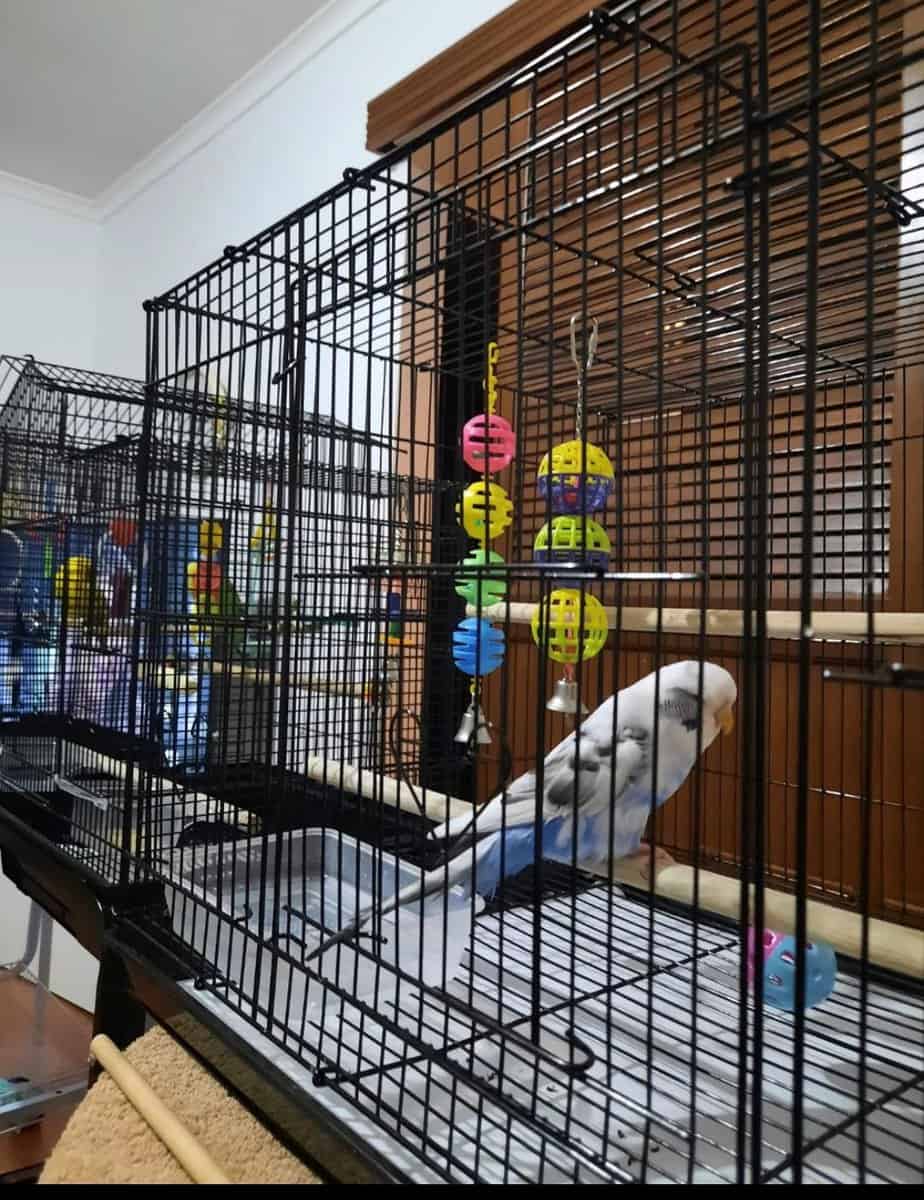
Although all bird species are susceptible, pet birds like budgies, lorikeets, and cockatiels are most frequently implicated in human infections. In Australia, human cases linked to commercial poultry flocks are infrequent and typically affect poultry workers. Contact with wild birds and their droppings, including inhaling dust from contaminated droppings stirred up by activities like lawn mowing, has also been associated with outbreaks.
Who is at Risk?
Certain groups are at a higher risk of contracting psittacosis. These include:
- Bird owners and breeders
- Pet shop employees
- Individuals whose occupations involve potential exposure, such as poultry processing plant workers, veterinarians, veterinary technicians, laboratory workers, avian quarantine station employees, taxidermists, farmers, wildlife rehabilitators, and zoo workers.
- Individuals engaged in activities like lawn mowing and gardening, especially during known outbreak periods.
Prevention Strategies for Psittacosis
Birds can carry the Chlamydia psittaci bacteria without displaying obvious signs of illness, though the infection can be fatal to them. Signs of illness in birds may include diarrhea, weakness, ruffled feathers, poor appetite, and discharge from the eyes or nose.
If you suspect a bird is ill, it’s crucial to consult a veterinarian. Infected birds can often be treated with antibiotics, but require isolation and thorough disinfection of their living environment. Recommended disinfectants include those containing quaternary ammonium compounds (QACs), 3% hydrogen peroxide, alcoholic iodine solutions, 70% ethanol, or hospital-grade disinfectants based on sodium hypochlorite. It’s important to prepare dilutions immediately before use and discard any leftover solution. When using disinfectants, ensure the area is well-ventilated as they can be respiratory irritants, and avoid mixing them with other products.
Given that birds can be asymptomatic carriers, taking preventative measures is essential:
- Purchase birds only from licensed pet stores or reputable breeders.
- Wash your hands thoroughly with soap and running water for at least 10 seconds before and after handling pet birds.
- Refrain from kissing pet birds to avoid mouth-to-beak contact.
- Ensure birds are housed in clean, adequately sized cages with newspaper lining that is changed frequently.
- Prevent the buildup and drying of droppings in cages, which can become airborne.
- When cleaning cages or handling bird droppings, wear a P2 respirator, gloves, and dampen the droppings to minimize airborne particles. Remember to wash your hands after cleaning.
- Seek veterinary attention for sick birds promptly.
- When handling potentially infected birds, use a P2 respirator, gloves, a disposable cap, and protective clothing.
For individuals dealing with aborted equine materials, follow biosecurity advice specific to handling such substances. To protect yourself from potential infections from wildlife, consult guidelines on safe interaction with wild animals and reporting procedures for sick or deceased wildlife.
Diagnosis of Psittacosis
A medical diagnosis of psittacosis is typically based on a combination of the patient’s symptoms, a physical examination, and laboratory tests. These tests may include a chest X-ray to assess lung involvement and the collection of blood or respiratory samples to detect the presence of the bacteria.
Treatment for Psittacosis
Psittacosis is effectively treated with a course of antibiotics, usually lasting up to two weeks.
Public Health Response
Laboratories are mandated to confidentially report all confirmed cases of psittacosis to the local public health unit. Public health officials will then liaise with the treating physician and the patient or their caregiver to determine the likely source of infection. Individuals who may have been exposed to an infected bird will be informed about the symptoms to watch for. Treatment of the infected bird and thorough environmental cleaning with disinfectant are crucial steps to prevent further spread to other people or birds. For further information or assistance, contact your local Public Health Unit.
