
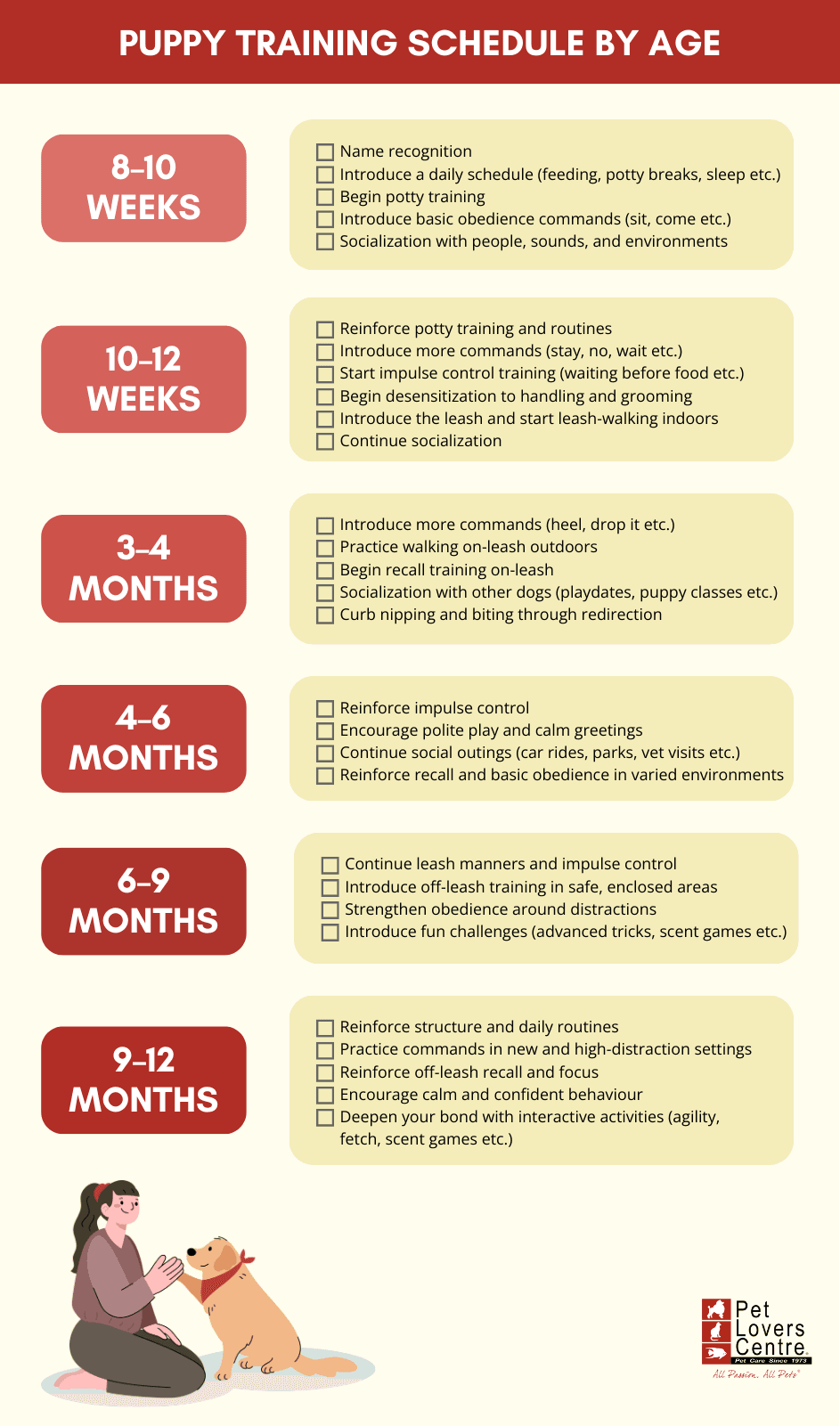
Welcome to the world of canine companionship! As devoted dog lovers, we understand that training is a cornerstone of a happy and harmonious life with our furry friends. While traditional outdoor training has its merits, the modern dog owner often seeks structured, controlled environments to hone their dog’s skills. This is where indoor dog training facilities shine, offering specialized spaces designed for effective and efficient canine education. Whether you’re tackling basic obedience, advanced agility, or behavioral issues, an indoor facility provides a consistent and distraction-minimized setting, allowing both you and your dog to focus and learn.
Why Choose an Indoor Dog Training Facility?
The decision to train your dog indoors is driven by a multitude of benefits that cater to modern lifestyles and the specific needs of dogs. Unlike the unpredictable nature of outdoor training, which can be hampered by weather, noise, and other environmental factors, indoor facilities offer a controlled sanctuary for learning. This controlled environment is crucial for several reasons, impacting everything from a puppy’s socialization to an adult dog’s focus.
Consistency and Reduced Distractions
One of the most significant advantages of an Indoor Dog Training Facility is the consistent environment it provides. Weather is no longer a factor; training can proceed as scheduled, regardless of rain, snow, or extreme heat. More importantly, indoor facilities are typically designed to minimize external distractions. This means fewer squirrels to chase, fewer passing cars to bark at, and fewer random encounters that can derail a training session. This focused atmosphere allows dogs to concentrate better on commands and learning, accelerating their progress. This is particularly beneficial for puppies undergoing early socialization and training, as it helps them build a strong foundation without overwhelming stimuli.
Controlled Socialization Opportunities
Indoor facilities often provide safe, controlled environments for dogs to socialize with one another. Group classes and play sessions held indoors allow dogs to interact under the watchful eye of experienced trainers. This controlled exposure is invaluable, especially for puppies, as it helps them learn appropriate social cues and develop positive relationships with other dogs. It’s a space where they can learn to navigate different personalities and play styles in a supervised setting, reducing the risk of negative experiences that can sometimes occur in less managed outdoor environments.
Year-Round Training Access
Bad weather can be a significant barrier to consistent dog training. An indoor facility ensures that training sessions can continue uninterrupted throughout the year. This is especially important for owners who rely on structured classes for guidance or for those undertaking intensive training programs. The ability to train regardless of the season means a more consistent learning experience for the dog, leading to quicker and more reliable results.
Specialized Equipment and Flooring
Many indoor training facilities are equipped with specialized flooring designed for dogs’ joints, offering better traction and cushioning than concrete or hard-packed dirt. They may also feature agility equipment, scent-work stations, and other tools that enhance the training experience. This specialized setup not only improves safety but also allows for a wider range of training activities and exercises that might be difficult or impossible to replicate outdoors.
Professional Expertise and Community
Indoor facilities are typically run by professional trainers and staff who possess a deep understanding of canine behavior and training methodologies. They offer a wealth of knowledge and experience, providing guidance tailored to individual dogs and owners. Beyond the formal training, these facilities often foster a sense of community among dog lovers, creating opportunities for owners to share experiences, tips, and support. This shared passion for dogs can be incredibly motivating and beneficial for owners navigating the training journey.
Types of Indoor Dog Training
Indoor dog training encompasses a broad spectrum of disciplines, each designed to foster specific skills and address particular needs. From foundational obedience to specialized sports, there’s an indoor training program to suit almost every dog and owner.
Obedience Training
This is the bedrock of all dog training, focusing on essential commands like sit, stay, come, down, and heel. Indoor obedience classes provide a structured environment to teach these commands reliably, ensuring your dog is well-behaved and responsive in various situations. Trainers utilize positive reinforcement techniques to make learning enjoyable and effective, building a strong bond between owner and dog. This foundational training is crucial for ensuring your dog is a good canine citizen and can be safely managed in public spaces.
Agility Training
Agility is an exciting dog sport that involves navigating an obstacle course with speed and precision. Indoor agility arenas are specifically designed with a variety of obstacles, such as jumps, tunnels, weave poles, and A-frames. Training indoors allows dogs to practice these skills in a safe, controlled environment, building their confidence, coordination, and physical fitness. It’s a fantastic way to channel a dog’s energy and intelligence into a fun, challenging activity.
Puppy Socialization and Training
Early socialization is critical for a puppy’s development, helping them grow into well-adjusted adult dogs. Indoor facilities offer safe, clean, and temperature-controlled spaces for puppy classes. These classes focus on positive exposure to different sights, sounds, surfaces, and other vaccinated puppies and people. It’s a crucial step in preventing fear-based behaviors and promoting confident exploration. Puppy classes at an indoor facility often combine socialization with basic obedience, laying a solid foundation for future training.
Behavioral Modification
For dogs struggling with behavioral issues such as excessive barking, separation anxiety, leash reactivity, or aggression, indoor training facilities offer specialized programs. These programs are typically led by certified behaviorists or experienced trainers who can assess the root cause of the behavior and implement a tailored modification plan. The controlled indoor environment is ideal for addressing these issues, as it allows trainers to manage stimuli and create safe scenarios for re-training responses.
Trick Training and Canine Sports
Beyond obedience and agility, many indoor facilities offer classes in trick training, scent work, and other canine sports. These activities are excellent for mental stimulation, strengthening the dog-owner bond, and simply having fun. Trick training can boost a dog’s confidence and problem-solving skills, while scent work taps into their natural abilities, providing a rewarding mental workout.
Finding the Right Indoor Dog Training Facility
Selecting the appropriate indoor dog training facility is a decision that requires careful consideration to ensure it aligns with your goals and your dog’s needs. The right facility will not only provide a conducive learning environment but also a supportive community.
Research and Credentials
Begin by researching facilities in your area. Look for centers with certified trainers, such as those certified by the Certification Council for Professional Dog Trainers (CCPDT) or the Karen Pryor Academy. Check their websites, read reviews, and pay attention to their training philosophies. Do they use positive reinforcement methods? This approach is widely recognized as the most humane and effective for building trust and cooperation. Don’t hesitate to ask about their experience with specific breeds or behavioral issues you might be dealing with.
Facility Tour and Observation
If possible, visit the facility and observe a class in session. This is the best way to gauge the atmosphere, the trainer’s interaction with the dogs and owners, and the overall cleanliness and safety of the space. Are the dogs engaged and happy? Are the owners actively participating and learning? A good facility will welcome your visit and encourage you to see their training in action. Pay attention to the flooring, the amount of space available, and how well-organized the different training areas are.
Program Offerings and Schedule
Consider the types of classes offered and whether they match your training goals. Do they have programs for puppies, basic obedience, advanced skills, or specific dog sports? Check their class schedules to ensure they fit your availability. Some facilities offer flexible options like private lessons, while others focus on group classes. Understanding the progression of their programs can also be helpful; ideally, there’s a clear path from beginner to more advanced training.
Trainer-Client Communication
Effective communication between the trainer and the client is vital. A good trainer will be open to answering your questions, providing feedback, and working with you to overcome any challenges. They should make you feel comfortable and empowered as a dog owner. Look for a facility where trainers are approachable and willing to discuss your dog’s progress and any concerns you might have. This open dialogue is key to a successful training partnership.
Cost and Value
Compare the costs of different facilities, but remember that the cheapest option is not always the best. Consider the value you are receiving: the expertise of the trainers, the quality of the facility, the class sizes, and the overall support provided. A slightly higher price point might be justified by superior instruction and a more positive training experience. Think about the long-term benefits of good training – a well-behaved dog makes for a happier owner and a more enjoyable life together.
Getting the Most Out of Indoor Dog Training
Once you’ve chosen a facility, your active participation is key to success. Training is a partnership, and your commitment will significantly impact your dog’s learning and your overall experience.
Be Present and Engaged
During training sessions, be fully present and engaged with your dog. Minimize distractions from your phone or other concerns. Your dog looks to you for guidance and cues, so your focus is paramount. Actively participate in exercises, listen to the trainer’s instructions, and practice the techniques being taught. This focused attention helps your dog understand that training time is important.
Practice Consistently at Home
The skills learned in a training class need to be reinforced through regular practice at home. Dedicate short, frequent sessions to practicing commands and exercises. Integrate training into your daily routine – ask your dog to sit before meals, practice recalls during walks, or work on stays while you’re busy. Consistency is far more effective than infrequent, long training sessions. This daily reinforcement solidifies the learning and helps your dog generalize commands to different environments.
Communicate with Your Trainer
Don’t hesitate to communicate any challenges or successes you’re experiencing with your trainer. If your dog is struggling with a particular command or exhibiting new behaviors at home, let your trainer know. They can offer advice, adjustments to your technique, or suggest additional resources. Similarly, share your wins – celebrating progress, no matter how small, can be very motivating for both you and your dog.
Be Patient and Positive
Dog training takes time, patience, and a positive attitude. Every dog learns at its own pace. Celebrate small victories and avoid becoming discouraged by setbacks. Positive reinforcement, which involves rewarding desired behaviors, is crucial for building a strong bond and fostering a love of learning in your dog. Remember that training should be an enjoyable experience for both of you. A patient and encouraging approach will yield the best results and strengthen your relationship.
Understand Your Dog’s Needs
Each dog is an individual with unique personality traits, energy levels, and learning styles. Pay attention to your dog’s cues. Are they tired, stressed, or overstimulated? Adjust training sessions accordingly. Some dogs thrive on high-energy play, while others prefer calmer, more focused work. Understanding your dog’s individual needs will help you tailor your training approach for maximum effectiveness and ensure their well-being.
Indoor dog training facilities offer a valuable resource for owners looking to provide their canine companions with structured, effective, and enjoyable learning experiences. By understanding the benefits, choosing the right facility, and actively participating in the training process, you can build a stronger bond with your dog and help them become a well-behaved, confident, and happy member of your family. The journey of indoor dog training is a rewarding one, filled with progress, understanding, and the deep satisfaction of a well-trained dog.
