
Galloping at full speed, a rider, adorned in traditional regalia, flies around a dusty racetrack, not on a saddle, but bareback. As he completes a lap, he leaps from his moving horse and onto another, a fresh mount held steady by his team, before thundering off again. This is not a scene from a historical film; this is Indian Relay Horse Racing, a breathtaking display of horsemanship, courage, and cultural heritage that stands as North America’s oldest and perhaps most thrilling extreme sport. It’s a chaotic, electrifying, and deeply meaningful tradition that is captivating audiences across the nation.
This sport is far more than just a race; it’s a living tribute to the profound bond between Native American tribes and the horse. For centuries, the horse was integral to survival—a partner in hunting, a vital asset in conflict, and a means of transportation. Indian Relay racing channels this historical connection into a modern spectacle of speed and skill. Each race is a vibrant continuation of a legacy, passed down through generations and celebrated with every hoofbeat.
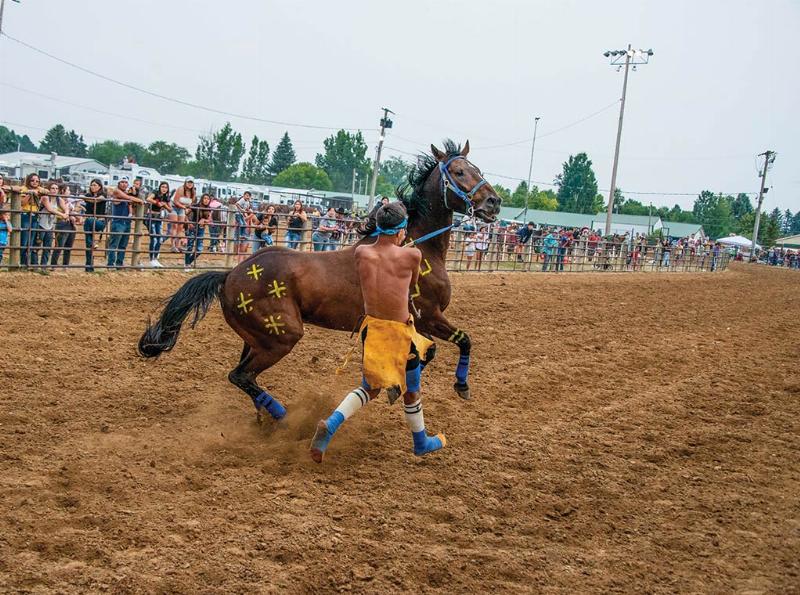 An action shot of a rider leaping from one horse to another during a chaotic Indian relay horse racing exchange, with team members working to control the horses.
The Heartbeat of a Warrior Tradition
The origins of Indian Relay are woven into the history of the Great Plains tribes. While specific stories vary among nations like the Shoshone, Bannock, and Lakota, they all point to a time when elite horsemanship was a measure of a warrior’s prowess. The skills central to the race—mounting a horse at a run, precise communication with the animal, and fearless speed—were the same skills used in buffalo hunts and warfare. Some oral histories suggest the sport evolved from war games designed to hone these abilities, while others connect it to strategies for capturing wild horses.
Regardless of its exact origins, the relay became a way to test and prove the best horses and riders. It was a matter of honor and pride. Today, that spirit endures. Teams don’t just compete for prize money; they compete for their families, their tribes, and the honor of being the best. This connection to warrior culture is often visible in the teams’ attire, with many riders wearing traditional face paint and regalia that honor their ancestors.
Understanding the Chaos: Rules of Indian Relay
At first glance, an Indian Relay race can appear as organized chaos, but it’s governed by a specific set of rules and requires incredible teamwork. The organized mayhem is part of what makes it such a gripping spectator sport, with events like those discussed in horse racing gillette wy drawing large crowds.
A standard race involves multiple teams competing simultaneously on a racetrack, typically for three laps. Here’s how it works:
- The Team: Each team consists of four members: one rider, one “mugger” (or catcher), and two holders.
- The Horses: Three horses are used per team. They are typically Thoroughbreds or Quarter Horses, chosen for their explosive speed and stamina.
- The Race: The rider starts bareback on the first horse. After completing a full lap, the rider gallops back to their team’s station.
- The Exchange: This is the most critical and dangerous part of the race. As the rider approaches, they leap off their tired horse. The mugger’s job is to catch the incoming horse, while the holders keep the next two horses steady. The rider must then seamlessly mount their second horse and take off for the next lap. This process is repeated for the final lap.
- Winning: The first rider to complete three laps on three different horses and cross the finish line wins. A key rule is that the team must maintain control of all three horses throughout the race; a loose horse can lead to disqualification.
“Warriors racing at lightning speed, leaping from one galloping horse and flying onto another, defying fear and gravity; displaying the ultimate bond of horse and rider, when the two become one.” – Dr. Sarah Miller, Equine Heritage Specialist.
The Athletes: Courageous Horses and Riders
The stars of Indian Relay are undoubtedly the horses and their riders. It takes a special kind of horse to compete—one with not only incredible speed but also a calm temperament to handle the frantic energy of the exchange zone. These equine athletes are highly valued and cared for, often forming deep bonds with their teams.
The riders are athletes of the highest caliber. Riding bareback at speeds topping 40 miles per hour requires exceptional balance, strength, and nerve. They must possess an almost telepathic connection with their horses to navigate a crowded track and execute a perfect flying dismount. More than anything, they need immense courage. The risk of falls and injury is constant, yet these riders embrace the danger as part of the tradition, embodying the warrior spirit of their ancestors.
More Than a Race: The Modern Spectacle
In recent years, Indian Relay horse racing has surged in popularity, moving from local tribal fairs to major rodeos and championship events across the United States. Events like the World Championship Indian Relay Races in Sheridan, Wyoming, and the Championship of Champions in Walla Walla, Washington, attract massive crowds and offer significant prize money.
This growth is not only bringing new fans to the sport but is also serving as a powerful vehicle for cultural preservation and economic development within Native American communities. For the teams, it’s a way to keep ancient traditions alive and share them with the world. For spectators, it’s an unforgettable experience that combines the thrill of high-stakes racing with a rich and vibrant cultural celebration. It is a testament to the enduring legacy of the horse in Native American life and a showcase of some of the most skilled and fearless equestrians on the planet.
Frequently Asked Questions (FAQ)
What is the main objective of Indian Relay horse racing?
The main objective is for a rider to complete three laps around a racetrack, switching to a new horse for each lap. The first team to have its rider cross the finish line after successfully completing all three laps wins the race.
How many people are on an Indian Relay team?
Each team is comprised of four people: one rider, one mugger (who catches the incoming horse), and two holders who are responsible for keeping the other two horses ready for the exchange.
Is Indian Relay a dangerous sport?
Yes, it is considered an extreme sport with a high degree of risk. Riders are bareback and traveling at high speeds, and the exchanges are frantic and crowded. Falls and injuries to both horses and riders can occur, which is why immense skill, courage, and teamwork are required.
What breeds of horses are used in Indian Relay?
Teams primarily use Thoroughbreds, Quarter Horses, or Appendix Quarter Horses (a cross between the two). These breeds are favored for their incredible speed, agility, and athleticism, which are essential for competing at a high level.
Where did Indian Relay horse racing originate?
The sport’s origins are rooted in the horse cultures of the Great Plains Native American tribes, such as the Shoshone, Bannock, and Lakota. It evolved from skills developed for hunting and warfare that tested the bond between a warrior and their horse.
