
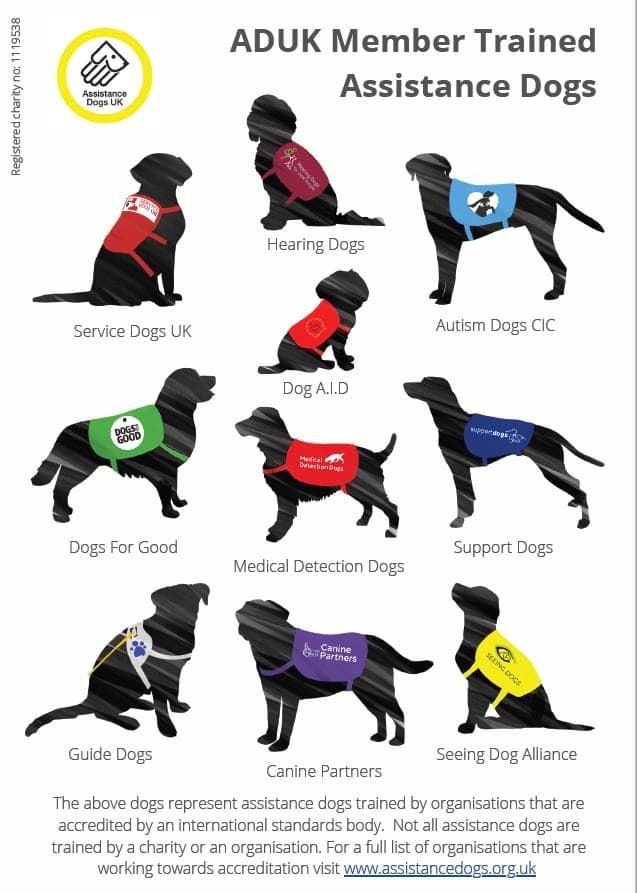
Embarking on the journey of training a dog, especially for specialized roles, is a rewarding experience. One of the most crucial tools in this process is an “in-training” vest for dogs. This isn’t just a piece of clothing; it’s a clear signal to the public that your dog is working, learning, and requires specific consideration. Understanding the purpose, types, and best practices for using these vests is paramount for successful training and harmonious coexistence in public spaces. Whether you’re training a service dog, a therapy dog, or a dog for other working roles, the right vest can significantly enhance your training efforts and the public’s understanding.
Why Use an In-Training Dog Vest?
The primary function of an “in-training” vest is communication. It immediately alerts others that the dog is not a pet to be petted or distracted. This is vital for a dog that is learning to focus amidst distractions, a critical skill for service animals and other working dogs.
Enhancing Focus and Reducing Distractions
Dogs, by nature, are easily distracted. When a dog is wearing an official-looking vest, people are less likely to approach, call out to, or try to pet the dog. This allows the dog to concentrate on its handler and its tasks, making training sessions more productive. For instance, a dog learning to alert its handler to a medical condition needs to be attuned to subtle cues, not the enticing scent of a dropped piece of food or the friendly cooing of a stranger.
Public Awareness and Safety
An in-training vest serves as a clear indicator of the dog’s working status. This helps to prevent misunderstandings and potential conflicts. It educates the public about the roles working dogs play and the importance of giving them space. This is particularly important for highly trained service dogs, where distractions can have serious consequences for the handler’s well-being.
Legal and Ethical Considerations
While not all “in-training” vests carry the same legal weight as official service dog vests, they are essential for the training process. Many jurisdictions have specific guidelines regarding the identification of working dogs. Using an appropriate vest helps to manage public perception and can be a precursor to obtaining official certifications. Remember, responsible ownership and training are key. For those looking into structured programs, understanding dog obedience training Massachusetts can provide insights into local regulations and training standards.
Types of In-Training Dog Vests
The market offers a variety of vests, each designed with specific features and purposes in mind. Choosing the right one depends on your training goals, the climate, and your dog’s comfort.
Reflective Vests
These vests often come with bright colors and reflective strips, making the dog highly visible, especially in low-light conditions. This is a great safety feature for dogs training in varied environments.
Padded Vests
Designed for comfort, padded vests offer insulation and a better fit. They are ideal for dogs that will be wearing the vest for extended periods or in colder weather. Many high-quality vests are designed for dog training vest for dogs that prioritize both function and comfort.
Patch-Based Vests
These vests typically feature interchangeable patches that can be labeled “In Training,” “Service Dog in Training,” “Do Not Pet,” etc. This versatility allows handlers to adapt the vest’s message as needed during different training stages. This is particularly useful when transitioning from general training to more specific roles, such as those for dog vest for service dogs in training.
Specialized Vests
Some vests are designed for specific types of training, like vests with handles for mobility assistance dogs or specialized harnesses for scent detection or protection work. These are often more robust and may include additional features to aid in the training task.
Key Features to Look For
When selecting an “in-training” vest, consider these essential features:
- Durability: The vest should withstand the rigors of training, including rough play, varied weather, and frequent use.
- Comfort: Ensure the vest fits well without chafing or restricting the dog’s movement. Look for adjustable straps and breathable materials.
- Visibility: Bright colors and reflective elements enhance safety.
- Clear Labeling: The “In Training” designation should be clear and easily readable from a distance.
- Attachment Points: D-rings or loops for attaching leashes or training aids can be very convenient.
Best Practices for Using an In-Training Vest
Simply putting a vest on your dog isn’t enough. Effective use requires understanding and consistent application.
Introduce the Vest Gradually
Just like any new equipment, your dog needs time to get accustomed to wearing the vest. Start with short periods and positive reinforcement, associating the vest with good things like treats and praise.
Maintain Professionalism
While your dog is in training, it’s crucial to maintain a professional demeanor. Always keep your dog under control, and if someone asks about the vest, provide a brief, polite explanation. Avoid engaging in lengthy conversations that could distract your dog.
Understand Public Access Rights (and Limitations)
“In-training” vests generally do not grant the same public access rights as certified service dogs. While the vest signals a working dog, handlers must still be aware of and comply with local laws and business policies regarding access for dogs. This is an evolving area, and staying informed is essential. For example, understanding nuances like dog training Kalamazoo Michigan can help clarify local rules.
Consistency is Key
Use the vest consistently during training sessions and when practicing in public. This helps the dog understand when it’s time to focus and helps the public recognize your dog’s working status. Consistency reinforces the training cues and helps the dog generalize its learning across different environments.
Pair Vest with Behavior Training
The vest is a tool to aid training, not a substitute for it. It should always be paired with consistent positive reinforcement training methods. Remember that even with a vest, proper socialization and obedience are fundamental. Learning how to train a hunting dog, for example, emphasizes the foundational obedience that makes specialized training possible.
Common Challenges and Solutions
Even with the best intentions, challenges can arise when using an “in-training” vest.
Over-Distraction Despite the Vest
- Problem: People ignore the vest or actively try to distract the dog.
- Solution: Be prepared to politely but firmly advocate for your dog’s space. Practice “leave it” commands rigorously. Choose training environments with fewer distractions initially and gradually increase the challenge.
Dog’s Discomfort or Resistance
- Problem: The dog dislikes the vest, tries to take it off, or seems uncomfortable.
- Solution: Revisit the introduction process. Ensure the vest fits correctly and is made of comfortable, breathable material. Rule out any physical discomfort or medical issues. Make wearing the vest a consistently positive experience.
Misinterpretation of “In-Training” Status
- Problem: People assume an “in-training” dog has the same rights or training level as a fully certified service dog.
- Solution: Be ready with a simple, clear explanation. “My dog is in training to become a service dog and needs to focus right now, thank you.” This politely educates without causing conflict.
The Future of Working Dog Identification
As the roles of working dogs continue to expand, so too will the sophistication of their identification. “In-training” vests are a vital part of this ecosystem, bridging the gap between a pet and a fully-fledged working partner. They represent a commitment to responsible training and a desire to integrate these incredible animals into our lives and communities effectively.
By embracing the use of “in-training” vests and understanding their significance, trainers and handlers can foster a more informed and supportive environment for working dogs and their human companions. It’s a shared journey, and clear communication through tools like these vests is key to its success. Remember, every well-trained dog, whether in public or at home, brings joy and fulfillment, underscoring the profound bond between humans and their canine friends.
